Why frequent rapid acceleration and hard braking is bad
Are rising fuel costs and increasing engine repairs eating into your profits? If so, the culprit might be closer than you think: rapid acceleration and heavy braking by your drivers. These aggressive driving habits can take a serious toll on your fleet, increasing wear on engines and tyres, wasting fuel, and compromising driver and public safety. In this guide, we explore how these behaviours impact your bottom line and share practical strategies to monitor, manage, and prevent them across your fleet.

Is rapid acceleration bad for your car?
Yes, when stationary, engines sit in an idle state, ticking over gently. The moment a driver accelerates, engine components engage to create friction and heat that move the vehicle forward. The faster this happens, the more stress the engine experiences during those first few seconds. Over time, that stress can wear down vital components like the clutch, gearbox, and drivetrain.
So what does that mean for your fleet operating on New Zealand roads? Here are some key ways rapid acceleration can impact your vehicles:
- Fuel consumption: The harder a driver accelerates, the more fuel the engine burns to reach speed. For commercial fleets and work vehicles travelling long distances across New Zealand, including urban and regional routes, this can quickly drive up running costs. Smooth acceleration can significantly improve fuel efficiency, helping reduce fuel spend on diesel or petrol across the fleet.
- Incomplete lubrication: When a vehicle idles, engine oil is not fully circulated. If a driver suddenly accelerates, some moving parts may not be properly lubricated before reaching higher RPMs. This metal on metal friction accelerates engine wear and can lead to costly breakdowns, particularly in older utes, vans, and high kilometre fleet vehicles common across New Zealand.
- Clutch wear: Getting off the line too quickly means the clutch operates between partial and full engagement. When the engine races ahead of the wheels, the clutch overheats and wears out faster. For fleet vehicles operating in frequent urban traffic in cities such as Auckland, Wellington, or Christchurch, this can lead to premature clutch failure and expensive repairs.
- Unsafe driving behaviour: Rapid take offs reduce reaction time for emerging hazards, especially at intersections, pedestrian crossings, and roundabouts. On busy New Zealand roads, harsh acceleration increases collision risk, particularly at intersections where visibility and right of way timing are critical.
- Harsh braking: Aggressive acceleration is often followed by heavy braking. This combination places extra stress on tyres, brake pads, and suspension, while increasing the likelihood of rear end collisions. Over time, it shortens component life and increases maintenance costs across your fleet.
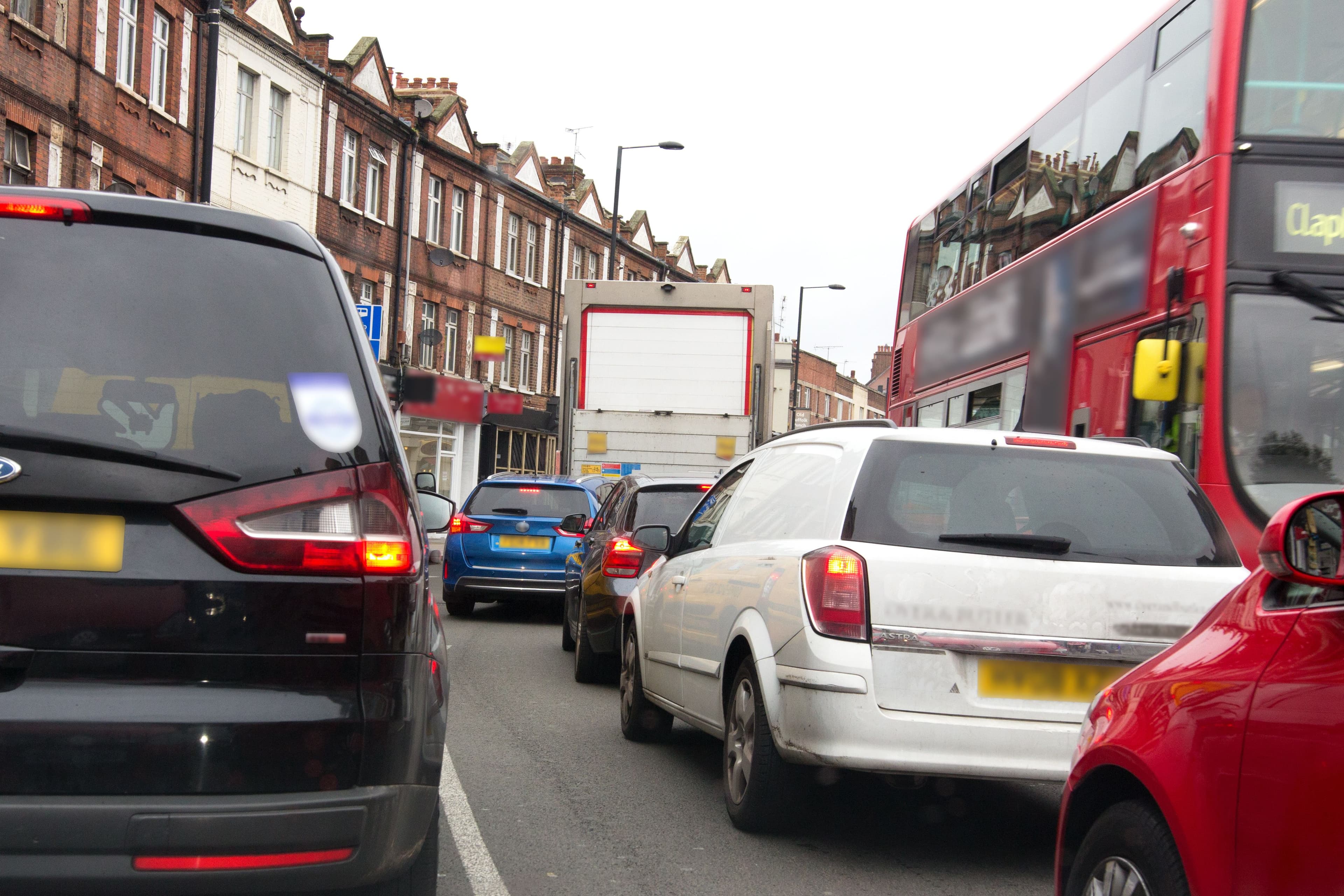
The effects of harsh braking
Imagine the stress on your vehicle every time you slam on the brakes. Frequent harsh braking repeatedly subjects your fleet to stress, leading to premature wear and tear on brakes, tyres, and suspension components. This is one of the most common bad driving habits, and it also creates a dangerous environment for other road users on New Zealand’s roads.
- Increased friction on your tyre treads: Braking stops your vehicle by creating friction between the tyres and the road. This is necessary — and it’s also the reason why wet or slippery surfaces increase stopping distances. However, slamming on the brakes (unless in an emergency) creates an unnecessary spike in friction, which wears down tyre treads more quickly and reduces overall grip and tyre life.
- Wear and tear on brake components: Braking harshly causes excessive friction in components such as brake discs and pads. Over time, this friction generates heat and accelerates wear, forcing you to replace brake components far more frequently than expected. This can drive up maintenance costs across your fleet.
- Cargo damage: When a vehicle decelerates rapidly, momentum can cause cargo in vans and heavy vehicles to slam forward against restraints. Repeated hard braking increases stress on tie-downs, racks, and load surfaces, leading to damage and increased risk of cargo shifting during transit.
- Hazardous driving behaviour: Hard braking is often a sign of speeding or following too closely, both of which are linked to increased crash risk on New Zealand roads. NZ crash data shows that travelling too fast for the conditions contributes significantly to fatal and serious injury crashes. In 2021, inappropriate speed was a factor in around 38 % of fatal crashes and numerous serious and minor injury crashes across the country, underscoring the safety impact of not driving smoothly or at appropriate speed.
Rapid acceleration and heavy braking: fuel consumption
Fuel consumption is closely linked to maintaining a steady speed and smooth driving behaviour. In New Zealand, driving strategies that reduce fuel use focus on minimising rapid acceleration and sharp braking, as well as staying within efficient speed ranges. NZ Transport Agency guidance explains that driving smoothly, avoiding fast acceleration and sharp braking, can improve fuel efficiency and reduce overall fuel use and emissions. This is particularly important for fleet vehicles operating across urban centres and regional highways, where frequent start-stop traffic and speed changes waste fuel and increase operating costs. Reducing speed from 100 km/h to around 80 km/h can lower fuel use by about 15 % in typical conditions, and smooth driving habits are key to achieving better fuel economy on NZ roads.
According to NZ-specific research, the difference in fuel consumption between smooth and aggressive driving can be significant, with driving behaviour such as rapid acceleration and hard braking contributing to higher fuel use across both urban and highway conditions.
How can you avoid harsh braking?
It’s usually easy to avoid harsh braking in anything but an emergency scenario. Identifying hazards early, driving at a safe speed for the current road conditions, following the speed limit and indicating are all methods you can use to prevent hard stops. Making sure that your drivers aren’t accelerating too fast will also reduce instances of harsh braking.

How to monitor rapid acceleration and heavy braking
The first step to cutting down on harsh braking and rapid acceleration habits is to identify the issue. It’s important to monitor your fleet for the health and safety of your employees, as well as to keep an eye on the condition of your vehicles. By monitoring what your drivers are doing, you can identify bad habits before they cause issues such as risk to life or damage to your fleet.
- Install dash cams: Dash cam footage can help you to identify distracted or aggressive driving by your drivers. This can be obtained via internal cameras to catch frustrated behaviour, or external cameras to flag up sharp braking and close calls. If your drivers need to take emergency action, dash cam footage provides a record of what happened that helps to protect them and support insurance claims.
- Monitor driver performance: Atom GPS trackers use your vehicle’s battery to power an in-depth analysis of your driver’s performance, and to catch instances of sharp braking and rapid acceleration during journeys. You can also use the tracking information to provide delivery updates to your customers, improving customer service.
- Engine tracking hardware: The Stratus tracking hardware can monitor the performance of your fleet engines, bringing any bad habits - and the consequence wear and tear - to your attention.
- Vehicle alerts: The Kinesis software works alongside a Stratus or Atom ‘black box’ fitted into your vehicles, giving you detailed updates on their performance. The system sends you real-time alerts, flagging up dangerous or damaging driver behavior.
- Driver training: Training is a great way to increase drivers awareness, reducing unintentional occurrences of bad habits. It’s also viewed far more favourably than punitive action, so may help increase staff retention.
- Appropriate deadlines: Rapid acceleration is often the result of time pressure. Setting suitable deadlines and allowing enough time for your drivers to reach their destinations is one of the best ways to reduce instances of hard braking and acceleration.
Preventing bad driving habits in your fleet
Vehicle telematics are an excellent way to keep track of your fleet, whether your drivers are wearing down your vehicles, taking unnecessary detours or using excess fuel. If you think GPS vehicle tracking could benefit your business, browse our range of telematic solutions or get in touch with a member of the team today.

Use telematics to monitor you fleet
Kinesis telematics from Radius allows you to monitor how your vehicles are being driven through GPS vehicle tracking with integrated dash cams.