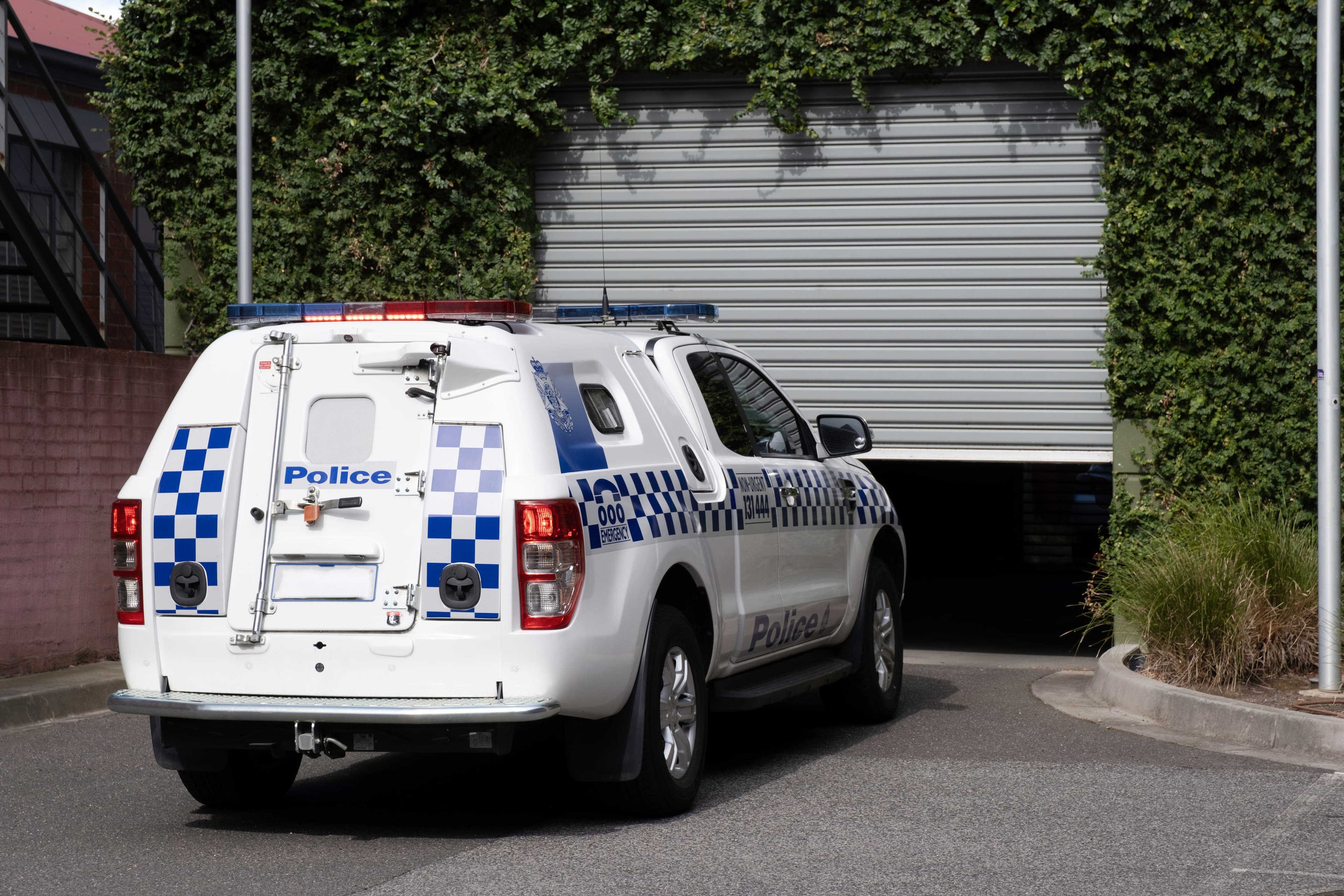
For New Zealand businesses operating fleets of trucks, vans or company cars, speeding fines and unsafe speeds are a growing concern — both in terms of direct cost and overall road safety impact. Excessive speed continues to be a key contributor to road trauma in Aotearoa, with official data showing that speeding is estimated to contribute to around 60% of fatal crashes in New Zealand when comprehensive road safety analyses are considered, reflecting how often speed is involved in fatal and serious injury outcomes on Kiwi roads.
Heavy vehicle drivers are particularly at risk on roads and motorways, making speed compliance a critical issue for fleet operators. Data from Waka Kotahi NZ Transport Agency shows that a significant proportion of trucks and light commercial vehicles exceed posted speed limits, especially on rural roads and state highways, where speed-related crashes are more likely to result in serious injuries or fatalities.
Enforcement has intensified, with Waka Kotahi deploying mobile speed camera-equipped SUVs and trailers, which detected nearly 70,000 speeding offences in just four months, generating close to NZ$1 million in fines. For businesses managing commercial fleets, ongoing speeding violations increase exposure to regulatory penalties, legal liability, vehicle downtime, higher insurance premiums, and reputational risk, reinforcing the need for proactive fleet speed management and driver monitoring solutions.
The legal consequences of speeding in a commercial vehicle
Drivers of commercial vehicles face strict legal consequences for exceeding speed limits. Penalties include fines and demerit points, which can lead to licence suspension if thresholds are reached, and for severe or repeated offences, drivers may face temporary disqualification or vehicle impoundment. Beyond immediate penalties, speeding increases insurance premiums for fleet operators, exposes businesses to civil liability for crashes or injuries, and can cause reputational damage if poor driver compliance becomes public. In extreme cases, speeding that results in injury or death can trigger criminal charges, including imprisonment. For fleet operators, enforcing speed compliance through driver training, policies, and fleet monitoring technologies is critical to reduce legal risk, operational costs, and road safety incidents.
Who pays company car speeding fines?
In New Zealand, the driver of a company vehicle is generally responsible for paying any speeding fines incurred while driving. Speeding penalties are determined by how far the driver exceeded the speed limit, the type of road, and whether the offence is contested in court. For most speeding offences, the NZ Police or automated camera systems issue the infringement notice to the registered driver at the time of the offence. If the offence is detected by a speed camera, the ticket is usually sent to the vehicle’s registered owner, but if that is a company, the company can nominate the actual driver who was behind the wheel.
| Speed Over Limit (km/h) | Speeding Fine Range (NZ$) | Demerit Points | Notes |
|---|---|---|---|
| 1–5 | 80 – 100 | 0 | Minor speeding, no points |
| 6–10 | 150 | 20 | First offence; low risk |
| 11–15 | 200 | 30 | Standard speeding range |
| 16–20 | 300 | 35 | Mid-level offence; affects insurance |
| 21–25 | 350 | 40 | Serious; licence monitored |
| 26–30 | 400 | 45 | Higher risk; may trigger warnings |
| 31–40 | 500 | 50 | Likely to affect fleet insurance |
| 41–50 | 600 | 55 | High-speed offence; licence at risk |
| 51+ | 630+ | 55+ | Very serious; suspension or impoundment possible |
Demerit points: Penalty points are recorded on the driver’s licence and can affect both the driver’s record and the company’s insurance premiums. Accumulating 100 points within two years can lead to licence suspension.
Suspension & disqualification: Serious or repeated speeding offences can result in a driver’s licence being suspended or disqualified. Drivers must meet NZTA requirements to have their licence reinstated. In extreme cases, reckless or dangerous driving that causes injury or death can trigger criminal charges.
Who’s liable to pay HGV speeding fines?
Similar to company car speeding fines, the employee driving the heavy vehicle at the time of the offence is generally responsible for paying any fines. They may also face additional consequences such as demerit points or licence suspension, depending on the severity of the offence and the regulations in their state or territory.
Can companies be liable for accidents, injuries and fatalities?
Companies operating commercial vehicles in New Zealand have a legal duty of care under the Health and Safety at Work Act 2015 (HSWA). Fleet operators, as PCBUs (persons conducting a business or undertaking), are required to take all reasonably practicable steps to ensure the safety of drivers, passengers, and the public. This includes maintaining vehicles, conducting driver vetting and training, and implementing policies that discourage speeding, unsafe driving, or unrealistic delivery schedules.
Failure to meet these obligations can result in significant legal and financial consequences. If a fleet company neglects vehicle maintenance, employs unqualified drivers, or pressures employees to drive unsafely, it can be held liable for accidents, injuries, or fatalities caused by its drivers. Liability can include civil claims for damages, WorkSafe fines, and, in severe cases, criminal prosecution under the HSWA (WorkSafe NZ – Vehicle safety and fleet management).

The financial impact of HGV speeding penalties
Even though your company won’t directly pay a fine on behalf of a driver, instances of speeding can still carry significant financial consequences for fleet operators. From vehicle repairs to increased insurance premiums, speeding can affect your bottom line in multiple ways.
The costs of speeding
Insurance premiums: Fleet insurance in New Zealand can be expensive, and drivers with speeding offences on their record may increase your premiums. Insurance providers often view habitual speeding as a higher risk, which can lead to higher renewal costs.
Vehicle maintenance: Driving at high speeds places extra strain on engines, tyres, brakes, and axles. Frequent speeding accelerates wear and tear, increasing the frequency and cost of routine maintenance and repairs.
Fuel consumption: Fuel efficiency decreases at higher speeds. Exceeding the optimal speed for heavy vehicles (typically around 80 km/h for HGVs) results in significantly higher diesel consumption, raising fuel costs across your fleet.
The costs of accidents
Towing and recovery: Accidents involving HGVs are often far more expensive to recover than smaller vehicles, especially for long-haul or urban routes.
Vehicle repairs: Repairs after an accident can be substantial for heavy vehicles. Making a claim may also drive up fleet insurance premiums.
Vehicle replacement: If an HGV is written off, the cost of replacement falls entirely on the company. Unlike smaller vehicles, the resale of a damaged heavy vehicle often fails to offset costs, making replacement a significant financial burden.
How can you prevent employees from speeding in a company vehicle?
While many factors that influence driver behaviour may be out of your control - there are ways you can help prevent employees from speeding in company vehicles. These measures include better education, route planning, longer deadlines and installing equipment such as dash cams, vehicle trackers and speed limiters. Here are a few ways that you can prevent your drivers from speeding in a commercial vehicle:
Install dash cams
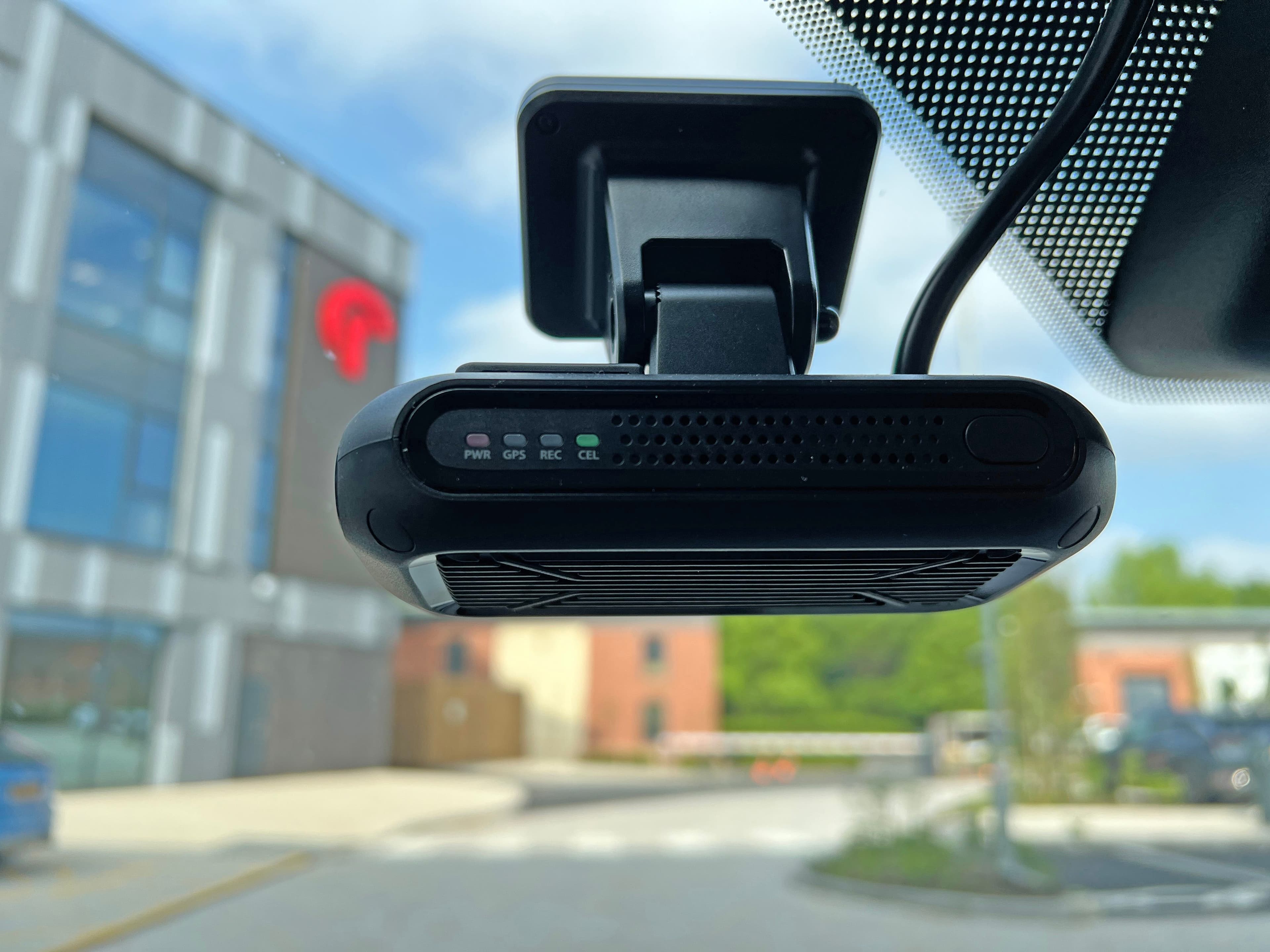
Installing dash cams is one of the best ways to improve driver behaviour. Insurance companies may even reduce a driver’s premium just for having one, showing that insurers have seen a considerable difference in the claim rate when a vehicle has a camera installed. A forward facing camera will help to monitor your driver’s behaviour on the road, while dual facing cameras can alert you to how distracted, frustrated or tired your employee is while driving. Dash cams also help to support insurance claims, for example if your driver was not at fault in a speeding-related accident.
Track your fleet
Another way for you to monitor the behaviour of your drivers is to track your fleet. With tracking tech installed, your vehicles’ routes, mileage, fuel consumption and journey history will be monitored and made accessible to you through the Kinesis vehicle tracking software. If your drivers are speeding or breaking road laws, fleet tracking will bring it to your attention in real time, helping you to address the issue before it escalates.
Use speed limiters
A speed limiter is a device fitted to a vehicle’s engine that monitors speed and restricts acceleration once a set limit is reached. While New Zealand does not specifically mandate an electronic speed‑limiting device in all heavy vehicles by law, there are strict speed limits that heavy vehicles must obey — including a maximum open‑road limit of 90 km/h for heavy motor vehicles under the Land Transport (Road User) Rule 2004. Heavy vehicles that do not meet certain suspension criteria are limited to even lower speeds (for example, 45 km/h) where applicable.
Because heavy vehicles must comply with these regulated speed limits, many fleets choose to install speed limiter technology or advanced telematics that enforce a maximum speed consistent with legal limits. These systems help prevent unintentional speeding, reduce the risk of penalties, and reinforce safe driving expectations. They can also be used in combination with fleet management tools to set geofenced speed zones or tailored limits for specific road types and operational safety policies.
Set appropriate deadlines
Time pressure is a major contributor to speeding in company vehicles and HGVs. Tight deadlines can unintentionally encourage drivers to speed. To promote safer driving, ensure that drivers have sufficient time to complete their routes, accounting for traffic, road conditions, and legal speed limits. Encouraging realistic schedules reduces the risk of speeding offences and improves overall fleet safety.
How can preventing HGV speeding benefit your company?
Commercial vehicle speeding fines aren’t the only problem to solve when your drivers are caught breaking the speed limit. Taking preventative measures can help reduce spending on maintenance and fuel, as well as prevent urgent repairs and towing costs. You shouldn’t stop there, however - if you’ve noticed that your drivers are speeding, it’s possible that there are other bad driving habits that should also be addressed.
Monitor vehicle speed with telematics
Kinesis telematics will alert you every time one of your vehicles exceeds the speed limit. Speak to one of our team about how we can help you monitor driver performance,