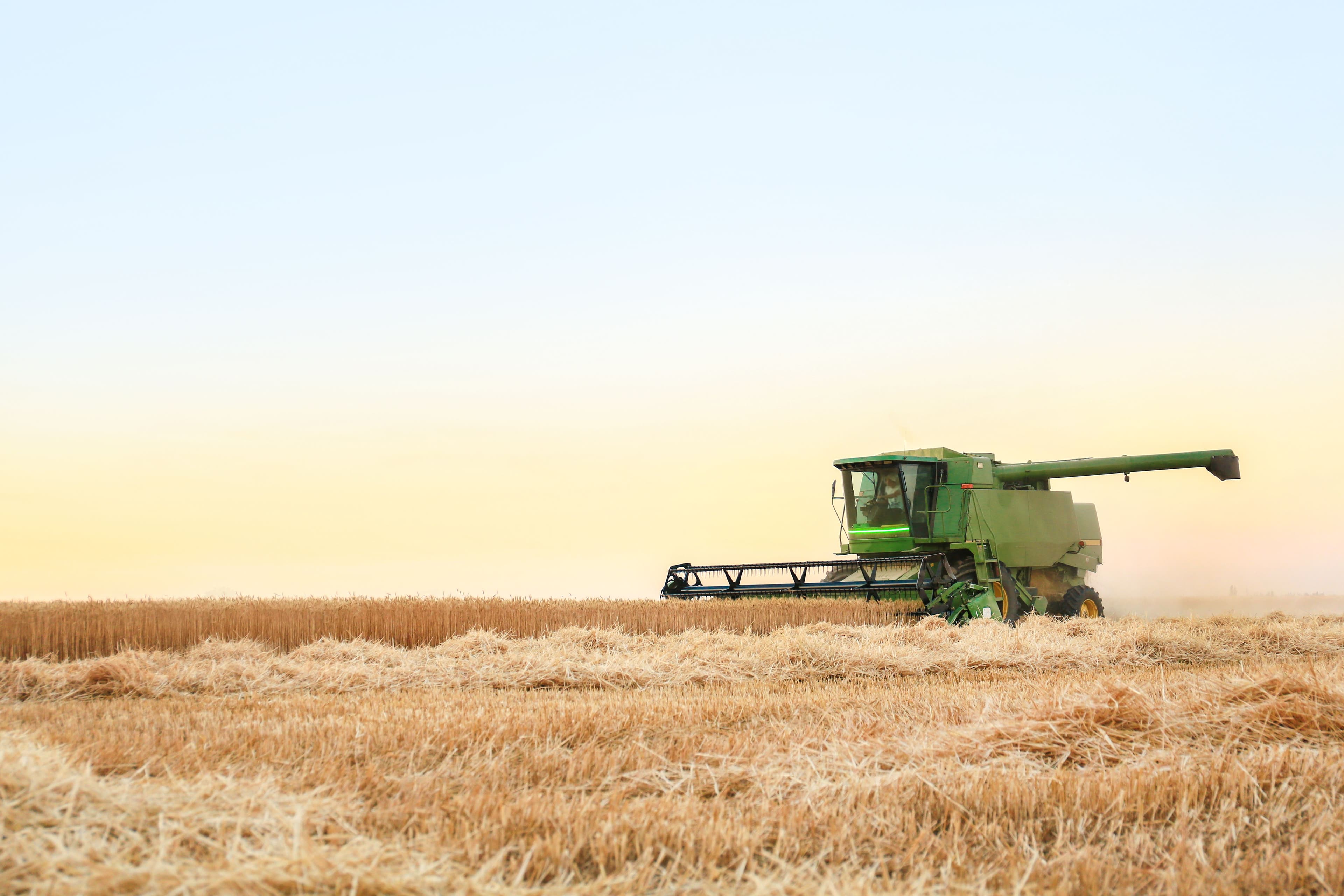
While unpredictable weather is a major challenge for New Zealand farmers, rural crime poses an equally severe threat to farm profitability. With agricultural theft spiking across the country, organised thieves are targeting critical assets that cause severe operational disruption, including quads, side-by-sides, general machinery, and trailers.
The financial shock: Rural crime in New Zealand
Agricultural theft is a multimillion-dollar problem for New Zealand’s primary sector. According to FMG Insurance Rural Theft Prevention Advice, theft and burglary hit over 1,000 FMG families every year. Research from the Federated Farmers Rural Crime Survey indicates that 67% of Kiwi farmers have experienced rural crime, with total sector losses estimated between NZ$10 million and NZ$15 million annually. High-value machinery, GPS guidance receivers, livestock, quad bikes, and side-by-sides (UTVs) top the target list for both opportunistic thieves and organised crime rings.
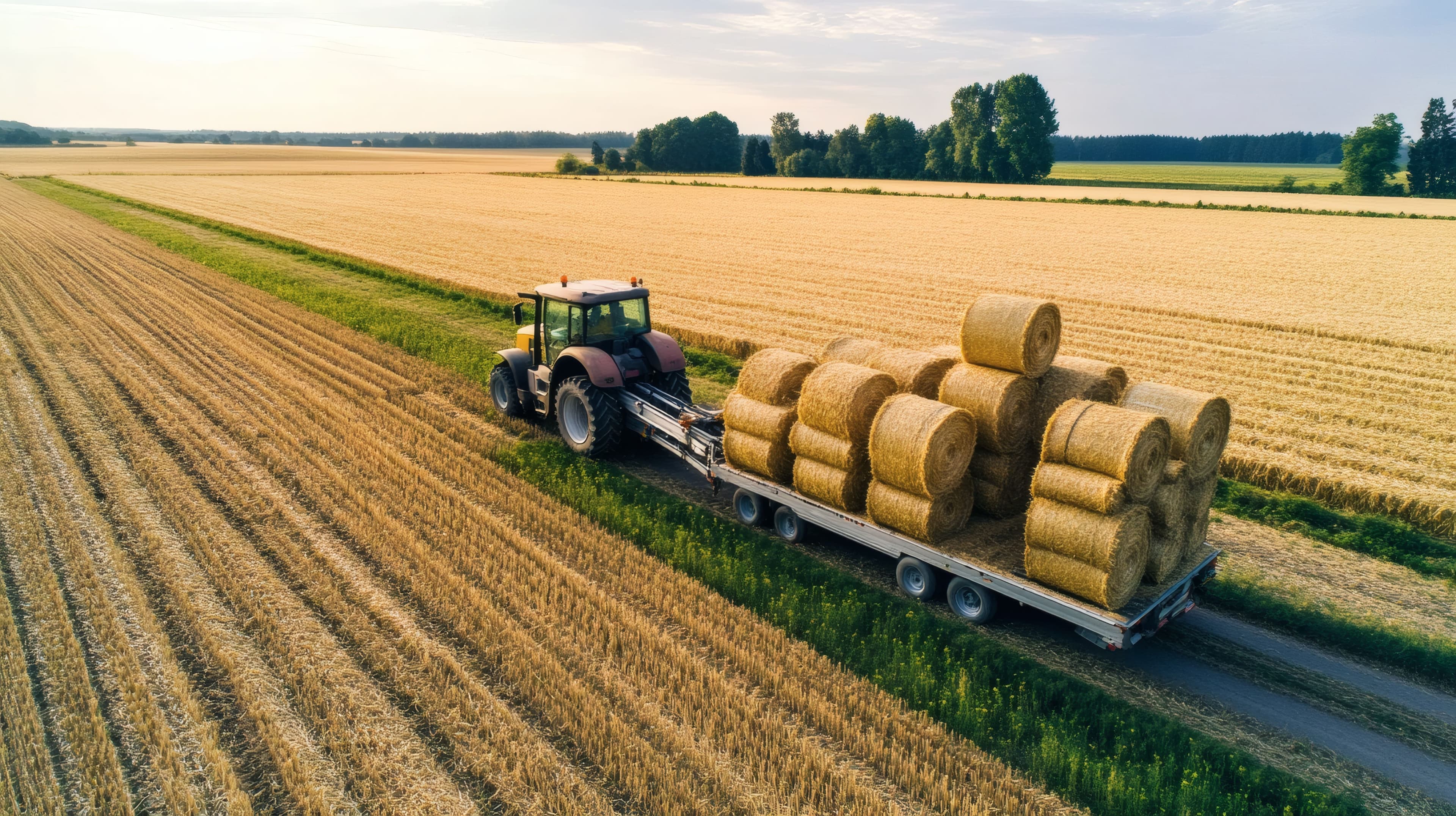
While heavy machinery such as UTVs and tractors are prime targets, the general farm trailer remains the most frequently stolen unpowered asset across New Zealand properties. Its low security profile, lack of built-in immobilisers, and high resale value make trailers an easy, high-return target for opportunists and organised theft rings alike.
When a trailer vanishes, it isn't just a simple insurance claim for a replacement unit (which can range from $5,000 to well over $25,000 NZD). Its sudden loss instantly halts daily farm logistics, from feeding stock to transporting essential equipment.
In an environment of rising rural crime, retrofitting a covert GPS tracker is no longer a luxury. Agricultural tracking provides an effective way to secure unpowered and seldom-used farm assets, helping maximise the chances of recovery and protect your operational profit margins.
The actual cost: Why insurance payouts aren't enough for New Zealand farms
An insurance payout might eventually cover the market value of a missing asset, but insurance cheques don't muster stock or repair broken boundary fences. The actual cost of farm equipment theft extends far beyond the initial loss, creating an immediate operational crisis across your property.
A scenario facing remote high-country stations:
It’s early morning in the Canterbury High Country, and you’re preparing for a critical three-day muster across remote hill blocks. When you reach the yards, you find that your stock trailer, portable yards and generator have been stolen overnight after thieves cut through a boundary fence.
Without the trailer and essential equipment, moving 2,000 sheep comes to a standstill. Insurance may eventually cover the loss, but it cannot prevent the immediate disruption. Transport bookings are missed, stock remains in the wrong paddocks and scheduled livestock sales are delayed, potentially costing the farm thousands of dollars.
1. Operational downtime & lost revenue: The immediate loss of any critical asset, whether it's a specialist stock trailer, a calf feeder, or a pasture topper, can halt essential operations during vital seasonal windows like lambing, calving, or autumn stock drafts. This delay results in direct financial loss from missed transport deadlines, degraded stock condition, and postponed commercial sales.
2. Expedited operational costs: To keep farm operations moving and avoid compounding financial losses, theft forces farmers into panic mode. Sourcing short-notice replacements in rural New Zealand usually means paying premium daily hire rates, covering heavy freight logistics, or paying commercial rates for third-party stock haulage, severely eating into seasonal margins.
3. Wasted management and staff time: Recovering from theft places a massive administrative burden on farm owners and station managers. Crucial hours that should be spent on pasture management, stock welfare, and core farm work are diverted into filing NZ Police reports, navigating lengthy insurance claims, and sourcing scarce replacement machinery.
The GPS solution: maximising recovery, minimising loss
GPS trackers turn vulnerable equipment into recoverable assets. This is particularly effective for unpowered assets like trailers, calf feeders, and seasonal implements left in remote paddocks.
Superior recovery rates
Unlike a simple padlock or coupler lock, an active GPS asset tracking system provides real-time location visibility. Without GPS tracking, recovery rates for stolen property in New Zealand hover below 20%. Equipping unpowered assets with hidden GPS tracking raises recovery rates from above 70% to more than 90%+ across commercial operations, drastically increasing the likelihood of recovering gear before it is stripped, re-plated, or sold on.
Direct New Zealand police co-operation
Radius GPS agricultural equipment trackers generate precise location coordinates that can be provided directly to the New Zealand Police. Live tracking updates allow officers to pin down the exact property or yard where the gear has been taken, often enabling recovery quickly after the theft and saving your farm from weeks of operational downtime.
Tailored for New Zealand farm conditions : Radius asset trackers are engineered specifically for rugged agricultural conditions
- Self-powered and long battery life: Industrial battery-powered units operate for months or even years without external power, making them ideal for unpowered equipment parked in remote back-blocks or high-country paddocks.
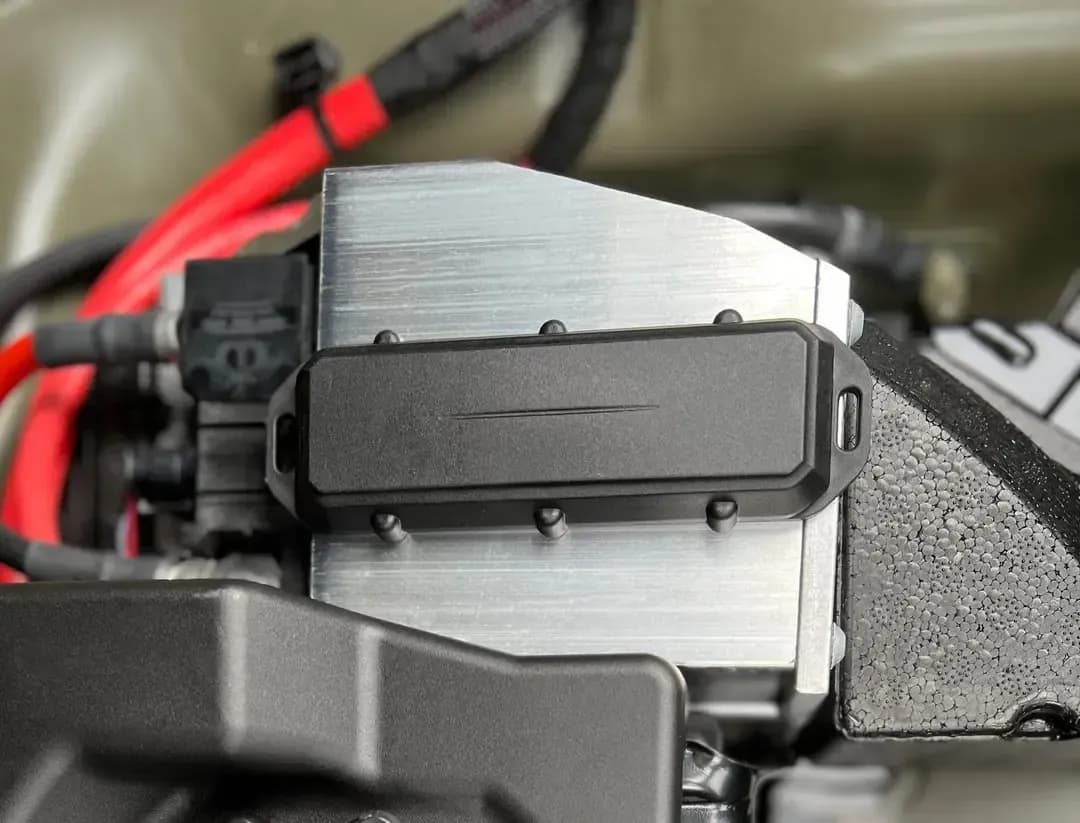
- Discreet, rugged enclosures: Compact, weatherproof designs (IP67/IP68 rated) hide out of sight inside trailer frames or under chassis, protecting the unit from water, mud, and detection by thieves.
- Geofence and movement alerts: Set digital perimeters around your farm boundary or staging yards. If a trailer or machine moves after-hours or without authorisation, instant SMS or app notifications let you act immediately.
Get your free GPS equipment tracking quote today
Are you ready to secure your farm and stop yourself from becoming another rural crime statistic?
Contact our farm tracking specialists today for a free, no-obligation quote on equipping your farm trailers, side-by-sides, and machinery with rugged, NZ-network compatible GPS tracking systems.