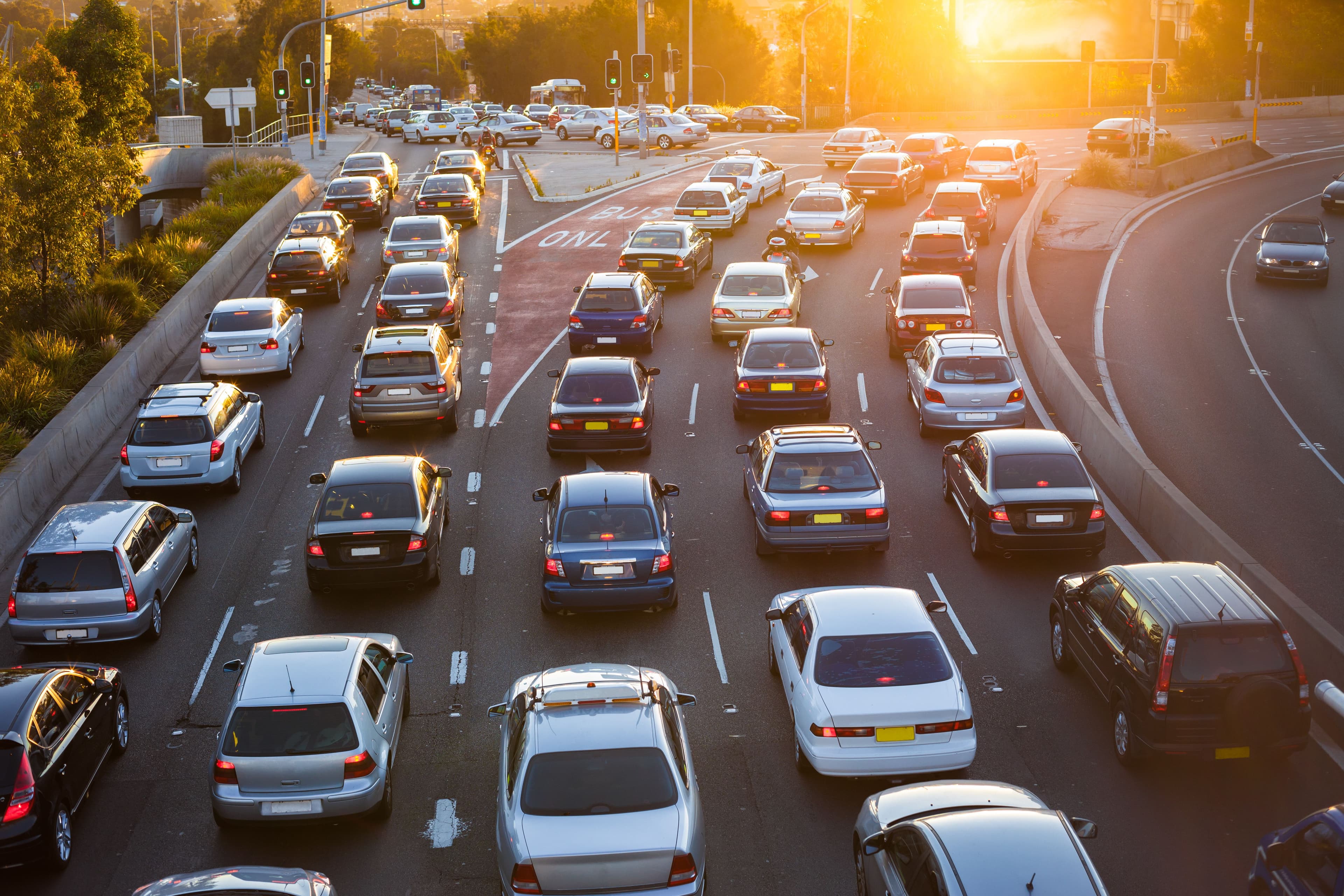
It’s a common sight on New Zealand roads — vehicles sitting idle at job sites, in depot yards, or stuck in city traffic with their engines running. While it might seem harmless, idling is a hidden drain on fuel and a growing concern for Kiwi fleets.
With fuel prices hovering around NZ$2.60–2.70 per litre and rising environmental expectations, every minute of unnecessary idling adds up, increasing operating costs, emissions, and engine wear.
Does idling waste fuel?
Yes, idling wastes fuel. Fuel is constantly being burned when an engine is on, even when it’s not being used to accelerate. Any fuel burned at a standstill is wasted, since it hasn’t been used to achieve anything. It’s a sunk cost - and the more it happens, the more it’s going to cost you.
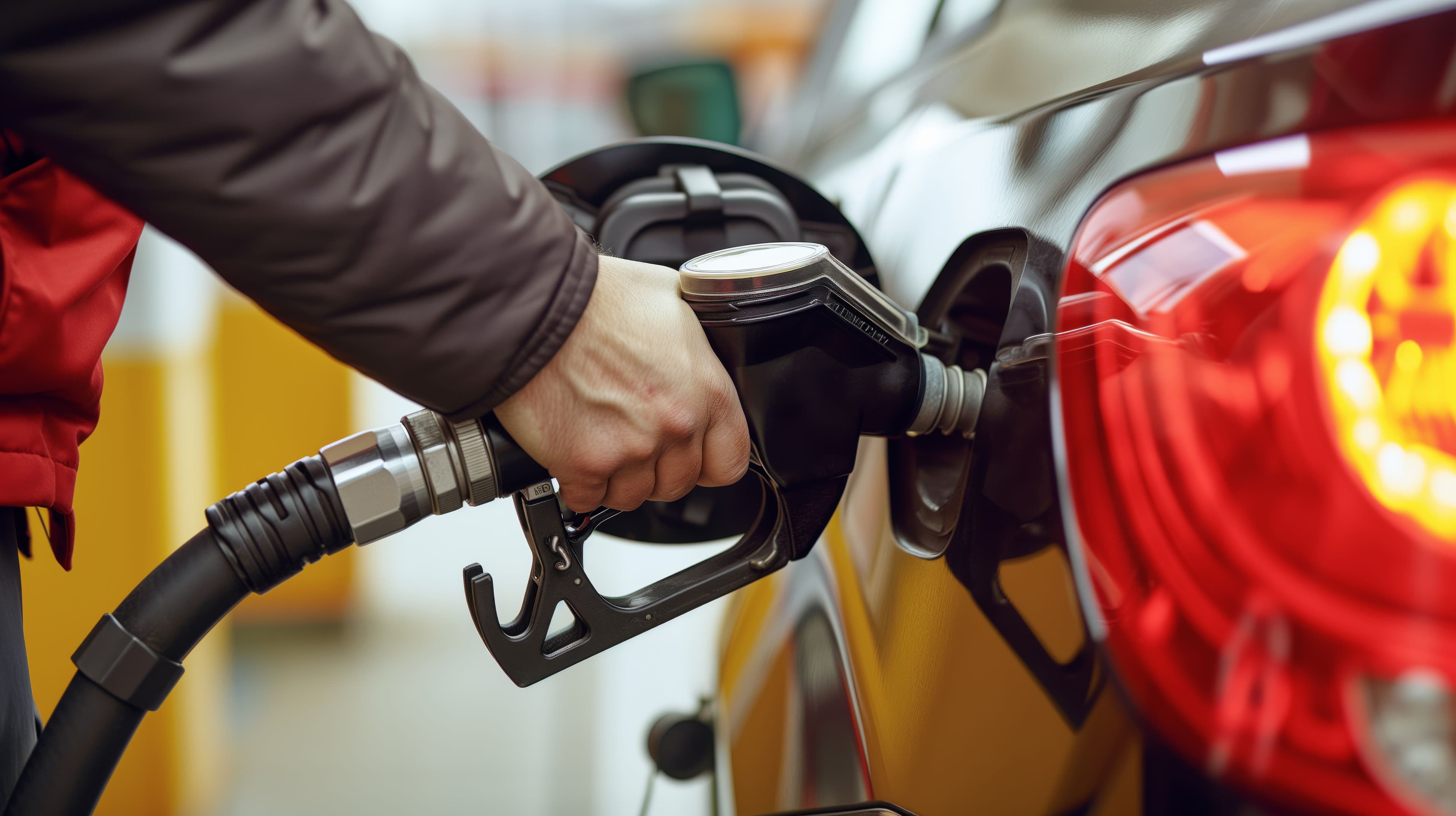
How much fuel does a car use idling?
In New Zealand, the amount of fuel a car uses while idling depends largely on the vehicle’s size, engine type, and condition. Studies and industry data indicate that idling can account for up to 7% of a car’s total fuel consumption, representing a significant and often overlooked cost for drivers and fleets.
| Vehicle type | Estimated fuel use while idling (L/hour) |
|---|---|
| Small passenger car (petrol) | ~0.5 – 0.9 L/hour |
| Small commercial van (diesel) | ~0.8 – 1.2 L/hour |
| Large SUV or light truck (diesel) | ~1.5 – 2.5 L/hour |
| Heavy diesel truck / large vehicle | ~2 – 4 L/hour |
How much fuel does a van use idling?
In New Zealand, most commercial vans are diesel-powered, which makes idling a costly issue for businesses. With diesel prices averaging around NZ$2.40 per litre, even short idle periods can quickly add up to significant fuel expenses across a fleet.
Research from local fleet efficiency programmes and international benchmarks shows that heavier diesel vehicles consume considerably more fuel while idling than smaller passenger cars. Data indicates that a diesel van typically burns between 2.5 and 3.5 litres of fuel per hour when stationary with the engine running.
| Vehicle Type | Estimated fuel use while idling (litres per hour) |
| Small van / light commercial (diesel) | ~ 1.0 – 1.5 L / hour |
| Medium commercial van (diesel) | ~ 2.5 – 3.5 L / hour |
| Large van / heavy duty commercial van (diesel) | ~ 3.5 – 4.5 L / hour (or more) |
How much fuel does a HGV use idling?
Heavy vehicles — including prime movers, rigid trucks, and B‑doubles — consume significantly more fuel when idling than cars or vans. This is because their large diesel engines continue to burn fuel even when the vehicle isn’t moving, contributing directly to higher operating costs for transport and logistics operators.
In New Zealand, a diesel heavy vehicle uses around two litres of fuel per hour while idling. Larger vehicles such as B-doubles and heavy articulated trucks can consume 3–4 litres per hour, depending on engine size and auxiliary load. At an average diesel price of NZ $2.00 per litre, idling costs NZ $4–$8 per hour per vehicle. Over a typical work month, unnecessary idling can waste NZ $100–$200 in fuel per heavy vehicle, while also increasing emissions and engine wear.
| Truck by weight (kg) | Estimated fuel consumption while idling (litres/hour) |
|---|---|
| 11,800 kg (small rigid) | ~2.0 L/h |
| 10,400–15,000 kg (medium rigid / small prime mover) | ~1.8 L/h |
| 14,500 kg (medium prime mover) | ~2.0 L/h |
| 16,800 kg (large rigid / prime mover) | ~3.2 L/h |
| 36,300 kg (B‑double / heavy combination) | ~2.5–3.5 L/h |
| 36,300 kg | 2.4 L/h |
How does idling affect a vehicle?
Idling doesn’t just affect fuel consumption; it can also cause wear and tear on the vehicles themselves. Here are a few of the ways a fleet could be affected by idling habits:
- Carbon build-up: When a vehicle is idle, it doesn’t burn fuel as completely as it does during acceleration. This partial combustion process is more likely to leave carbon deposits in the engine, reducing the fuel efficiency of the vehicle long-term.
- Engine stress: During idling, engine oil circulation is reduced compared to normal driving conditions. This allows contaminants such as soot and dirt to accumulate, increasing friction between engine components and accelerating wear.
- Oil complications: Certain parts of the engine may not be completely sealed while the vehicle is idling. This can cause hot gas to leak into other components and damage the oil film.
What problems can idling cause a company?
Idling is bad for any vehicle, but it can also be bad for your company. From an increased carbon footprint to higher fuel costs, there are plenty of problems that can arise:
- High carbon footprint: An idling engine may produce twice the carbon emissions of a moving car. If your fleet frequently idles, it can offset your impact reduction efforts and reverse your progress towards carbon neutrality.
- Higher fuel costs: Drivers need to refill their tanks far more often when they’re burning unnecessary fuel. This can drive up expenses and impact your company’s financial performance.
- Maintenance fees: Wear and tear can become expensive quickly. The best way to reduce the costs of mechanic call-outs and vehicle upkeep is to ensure that your drivers are treating your fleet well in the first place.

How to prevent your drivers from idling
From high repair costs to extra fuel usage, idling can throw a spanner in the works for any business. If your drivers are frequently idling in their vehicles - especially in vans or HGVs - it’s important to take steps to prevent the behaviour reoccurring. There are plenty of ways to do this, from tracking your vehicles to running training on fuel-efficient driving.
GPS tracking for fleet vehicles
Vehicle tracking is one of the most effective ways to ensure that your vehicles are being driven correctly. With GPS trackers attached to your fleet, managers will be able to monitor the activity of your drivers and can pinpoint problem areas such as frequent idling. Since idling is a difficult problem to catch with common installations such as dash cams, tracking the whole vehicle can help to catch bad habits you might otherwise miss.
Kinesis tracking: Kinesis is a way for you to track your driver’s performance as well as its location and route. You’ll be able to see whether your employees are deploying bad practices while driving, such as idling, harsh braking or speeding. You can also run reports on the statistics of your fleet, which may flag up problem areas for you to address.
Stratus tracking: The Stratus GPS trackers are designed to give you a full run-down on the health and activity of your fleet engines. That includes live updates, alerts and real-time tracking on a 4G network. Partnered with Kinesis, Stratus will allow you to receive notifications when your drivers are displaying idling and other bad driving habits on the road.
Stop idling, start saving
Idling is a costly habit, both for your business’ bottom line and the environment. By understanding the impact of idling and implementing strategies to minimise it, fleet managers can significantly improve fuel efficiency, reduce emissions, and save money for their business.

Monitor driver performance with telematics
Speak to one of our team about how telematics can save your business money through driver monitoring.