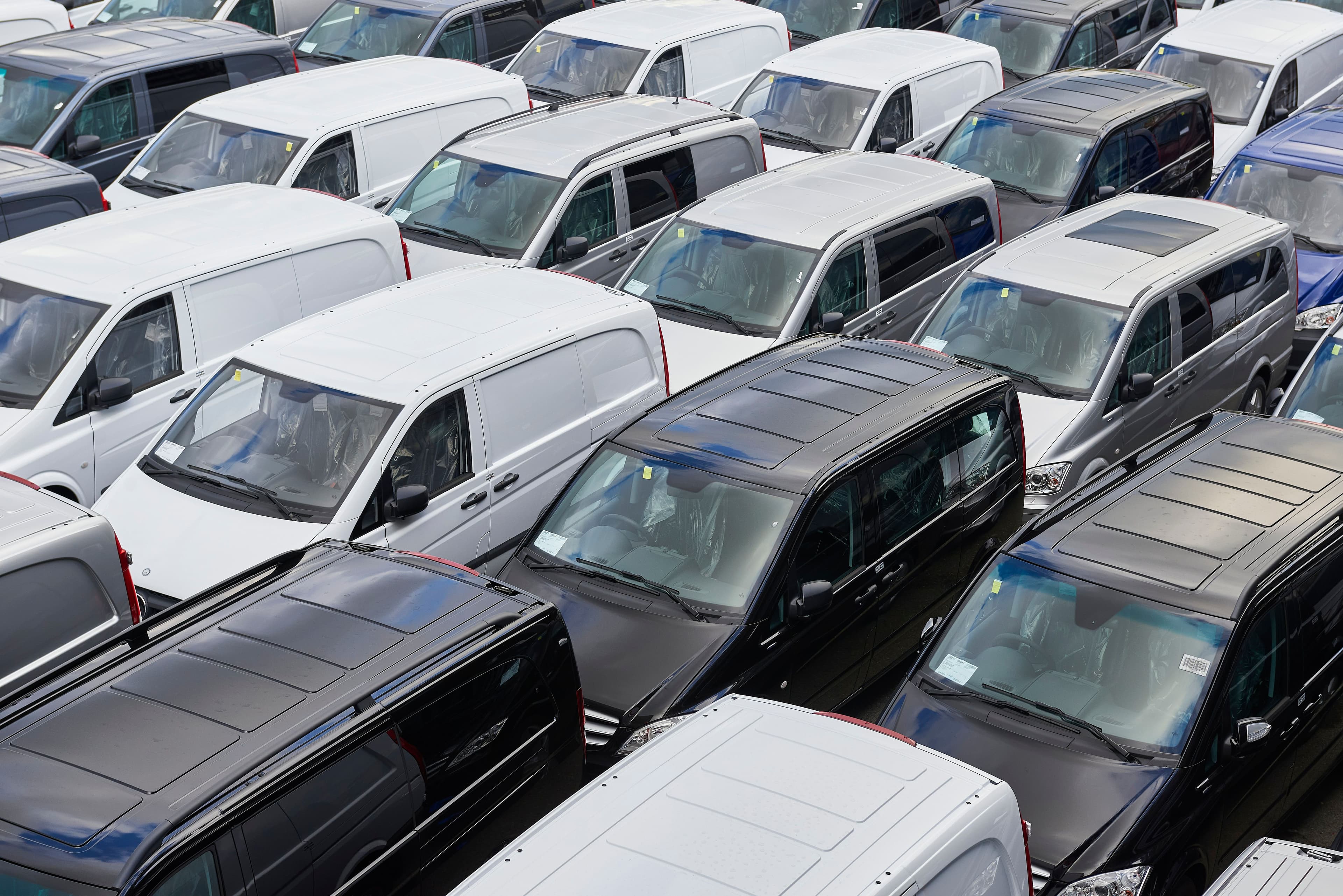
It can be distressing to discover a company vehicle has been stolen. But with swift action, you can minimise disruption and increase the chances of your vehicle being recovered. This guide outlines the essential steps to effectively locate and recover the vehicle while minimising the impact on your business.
Has the vehicle definitely been stolen?
While it may seem obvious, there could be another explanation for why your company vehicle isn’t where you expected. Before reporting it stolen, consider the following:
Could someone else be using the vehicle?
If other staff or colleagues have access to the vehicle or its keys, check with them first. They may have moved or used it for legitimate business purposes.
Is there CCTV on your premises?
Check security cameras around your office or yard. CCTV footage can often quickly confirm whether the vehicle was moved or accessed without permission.
Was it illegally parked?
If the vehicle was parked illegally, it may have been towed or impounded rather than stolen. Contact your local police station or call the non-emergency police line on 131 444 to check whether the vehicle has been impounded or moved by local authorities. They’ll be able to confirm its location and advise on the next steps for retrieval.
Did you definitely park where you thought you had?
It's easy to sometimes misremember exactly where you left a vehicle. Retrace your steps to double-check it’s not where it’s supposed to be.
By asking yourself these questions, you can avoid unnecessary stress and wasted time if the vehicle was simply misplaced.
How to report a stolen vehicle
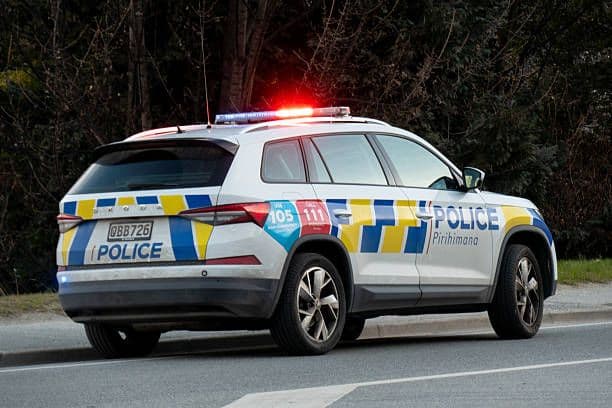
If you’ve confirmed that a vehicle has been stolen, it’s important to report it to the police immediately. You can contact your local police station or call the non-emergency police line on 131 444.
When reporting, the police will ask for key details about the vehicle, including:
- Make, model, and colour
- Registration plate
- Vehicle Identification Number (VIN), if available
- The company the vehicle belongs to
- Where the vehicle was taken from
- Approximate time or timeframe of the theft
Having this information ready helps the police log your report quickly and begin investigating sooner. The faster you report the theft, the greater the chances of recovering the vehicle.
After contacting the police, it’s also important to notify your insurance provider promptly to start the claims process.
Check your company policy
Many businesses have internal procedures for vehicle theft. Make sure you report the theft to your supervisor, fleet manager, or designated company contact. Following your company’s policy ensures the incident is properly documented and helps coordinate next steps, such as arranging replacement vehicles or notifying insurers.
How to find a stolen vehicle
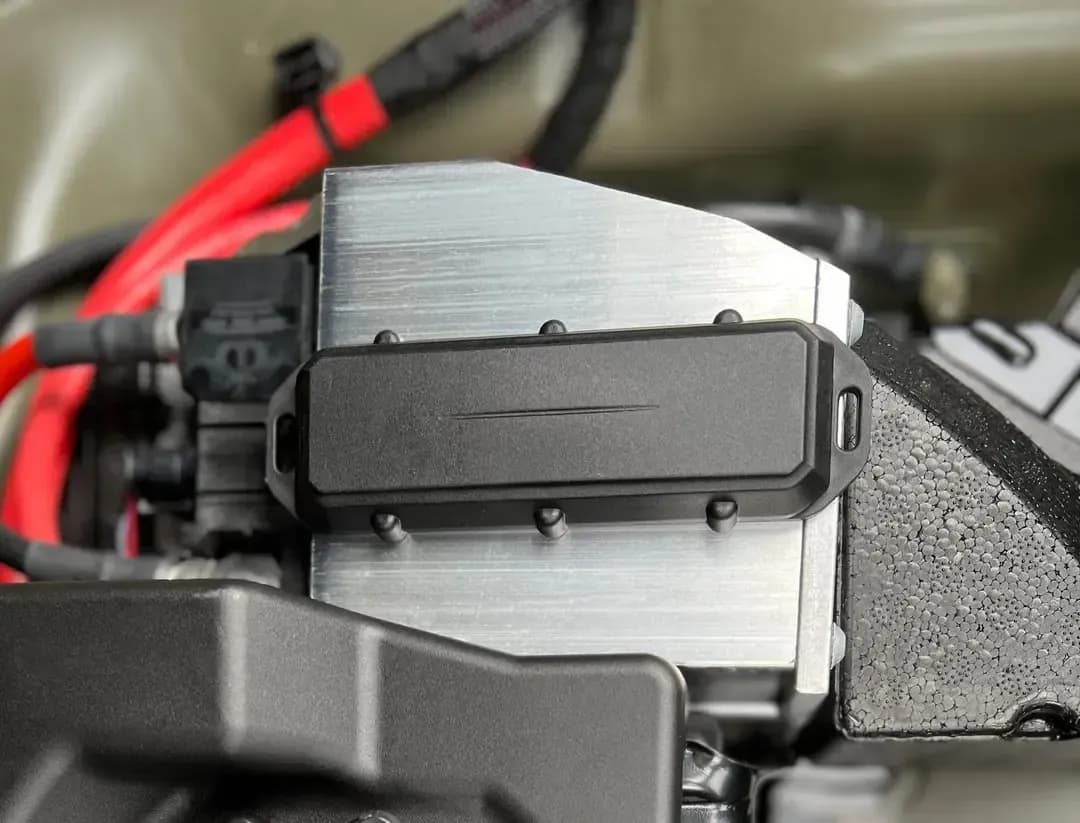
A vehicle GPS tracking system with stolen-vehicle recovery capabilities can be extremely useful for locating a stolen vehicle. These systems provide real-time and historical location data that authorised monitoring centres and NZ Police can use to assist recovery.
If your fleet or company vehicle has a tracker, contact the monitoring centre immediately after reporting the theft to the police. The monitoring service can work with local officers to share live location information and coordinate recovery. Do not attempt to locate or confront the thieves yourself, as this can compromise the police investigation and put you and others at risk.
Many insurers and recovery providers in New Zealand favour professionally monitored tracking systems, as they improve detection and recovery outcomes. NZ Police and motoring organisations also recommend a layered approach to vehicle security, including immobilisers, OBD‑port locks, and professionally installed trackers, to reduce the risk of theft.
The good news is that vehicles fitted with these systems have excellent recovery rates. In fact, a survey conducted by the Radius Survey Team found that asset trackers have assisted in the recovery of 98% of reported vehicles. Beyond aiding recovery, trackers also serve as a deterrent against theft, but their effectiveness relies on prompt reporting, swift action from the monitoring centre, and close cooperation with NZ Police.
Contact your insurance provider
Regardless of whether your vehicle is fitted with a tracker, it’s important to notify your insurance provider immediately if a vehicle has been stolen. Provide the police report number, if available, along with other relevant information such as the vehicle registration, insurance policy details, and a description of the incident.
Does insurance cover stolen vehicles?
If the vehicle hasn’t been recovered after 30 days, contact your insurer to discuss the potential for a payout. Company vehicles in New Zealand typically have commercial insurance policies, so coverage options and claim procedures may differ from personal vehicle insurance. Always review your company’s policy carefully and consult with your employer and insurance provider for guidance on fleet-specific claims.
What to look for in a theft-safe fleet insurance policy ?
A robust fleet insurance policy aimed at preventing theft — or reducing loss if theft occurs — should include:
- Comprehensive cover including fire and theft, not just third-party liability.
- Strong terms for new-vehicle replacement or “agreed value” cover, particularly for newer vehicles.
- Automatic cover for accessories, tools, and equipment stored in the vehicle.
- Keys & locks cover, including replacement if keys are stolen.
- Low excess on theft claims, or reductions if vehicles are fitted with approved theft deterrent systems (alarms, immobilisers, GPS trackers).
- Policy wording that supports telematics, GPS tracking, or stolen vehicle recovery services.
- Efficient claims service and repair network to minimise fleet downtime.
- Flexibility to add or remove vehicles easily, accommodating fleet growth or changes.
- Discounts for good risk management practices, such as secure parking, driver training, and installation of alarms or tracking devices.
By ensuring your fleet insurance aligns with these criteria, businesses can better protect vehicles, reduce losses, and improve recovery outcomes in the event of theft.
Notify New Zealand Transport Authorities After a Company Vehicle Is Stolen
If a stolen company vehicle is not recovered or is written off, it’s important to notify the relevant New Zealand transport authorities to update the vehicle’s registration and prevent ongoing fees or misuse. In New Zealand, this means contacting NZ Transport Agency (NZTA) to report the vehicle as stolen or de-registered.
Once you have lodged a police report and obtained a police event or incident number, provide this information to NZTA when reporting the vehicle. This ensures the vehicle record is updated, helping prevent fraudulent use of the registration or number plates.
If the vehicle remains unrecovered, your business may also be eligible for a refund on the unused portion of the vehicle licence fees, depending on NZTA’s policies. Reporting promptly helps protect your company financially and ensures all legal obligations are met.
What types of vehicles can trackers protect?
Stolen vehicle tracking systems are valuable for all types of businesses — whether you’re a sole trader with a single company car or managing a large fleet of trucks, vans, cars, or buses.
Asset tracking solutions are also highly effective for trailers, construction equipment, shipping containers, and other high-value machinery, helping NZ businesses protect their assets, minimise downtime, and improve recovery outcomes in the event of theft.
Protecting your fleet
We hope these tips have helped you understand what to do if a company vehicle is stolen and how to improve your chances of recovery. In New Zealand, vehicle theft remains a significant risk for businesses, with nearly 12,000 vehicle theft claims reported nationwide in 2024. 2025 data indicates that about 10 vehicles — including commercial utes, vans, and cars — are stolen every day, highlighting the ongoing exposure for companies that rely on fleet vehicles. Work vehicles such as Toyota Hilux, HiAce, Ford Courier, and Nissan Navara are frequently targeted, demonstrating that both personal and commercial vehicles are at risk.
These figures emphasise the importance of being prepared. By implementing proactive security measures — including Vehicle GPS tracking systems, dash cameras with integrated GPS tracking, and comprehensive fleet insurance — New Zealand businesses can significantly reduce the financial, operational, and reputational impact of vehicle theft. Prompt reporting, cooperation with police, and monitoring via professional tracking services further improve recovery outcomes, ensuring fleets remain protected and operational.
To learn more about how Radius can help protect your company vehicles and assets across New Zealand, get in touch with our friendly team today.