
A roadmap for SMEs and fleet operators
In Ireland, the pressure to go green is no longer just about reputation; it’s about regulation and financial resilience. Under the Climate Action Plan 2024, Ireland is legally committed to a 51% reduction in greenhouse gas emissions by 2030.
For businesses, particularly those managing fleets, these targets are backed by a rising carbon tax, now at €71 per tonne as of Budget 2026, making fuel efficiency a direct driver of profitability.
Here is how your business can lead the way:
1. Monitor and optimise fuel consumption
With the transport sector responsible for over 20% of Ireland's total emissions, managing how much fuel your vehicles burn is the most immediate way to reduce your footprint.
- Live fuel performance tracking: Rather than waiting for monthly statements, use vehicle tracking to monitor fuel consumption in real-time. By identifying vehicles with poor MPG (Miles per Gallon) or KPL (Kilometres per Litre), you can pinpoint technical issues before they lead to excessive emissions.
- Eliminate idling: According to the SEAI, unnecessary idling is a major contributor to fuel waste. Telematics systems can alert managers when a vehicle is burning fuel while stationary, a simple fix that can cut fuel costs and emissions by up to 10% for some fleets.
- Fuel card integration: Link your Radius fuel cards with telematics (via the Radius Velocity portal) to get a "one-view" dashboard. This allows you to compare fuel spend against actual vehicle activity, helping to spot anomalies or fuel fraud instantly.
2. Maximise vehicle performance
A well-maintained vehicle is a more efficient one. Keeping your fleet in peak condition ensures you aren't fighting against mechanical drag or engine inefficiency.
- Proactive diagnostics: Modern telematics plug directly into a vehicle’s diagnostic port (OBD), allowing you to monitor engine health and receive alerts for fault codes. Catching a faulty oxygen sensor or a blocked filter early prevents the engine from "running rich" and emitting more CO2.
- Driver performance monitoring: Vehicle performance is heavily influenced by the person behind the wheel. Use "Driver Scoring" to track habits like harsh braking and rapid acceleration. In Ireland, helping drivers adopt "hypermiling" techniques can reduce annual fleet costs and emissions by as much as 20%.
- Tyre pressure & aerodynamics: Use vehicle tracking to schedule regular maintenance checks. Under-inflated tyres increase rolling resistance, which can increase fuel consumption by 3-5% on long hauls across the M50 or N7.

3. Switching to a future-ready fleet
To hit the 50% transport emission reduction target, Irish businesses are now adopting a "right-tool-for-the-job" approach using a mix of HVO and EVs.
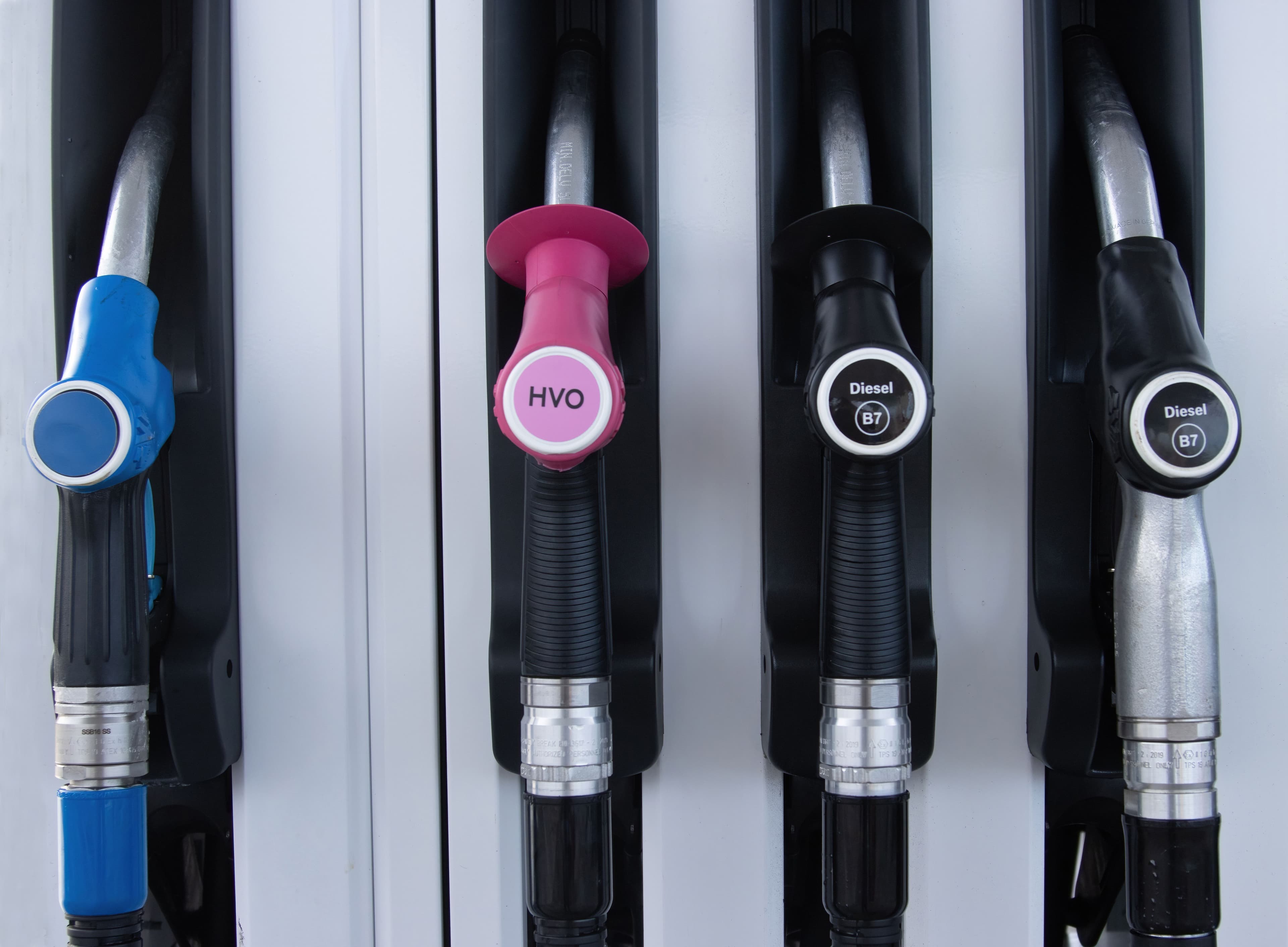
- HVO for the long haul: Reduce your fleet's CO2 by up to 90% instantly with Hydrotreated Vegetable Oil. It’s a "drop-in" diesel replacement that requires no engine changes, works with your existing DCI fuel cards, and offers superior performance in cold Irish winters.
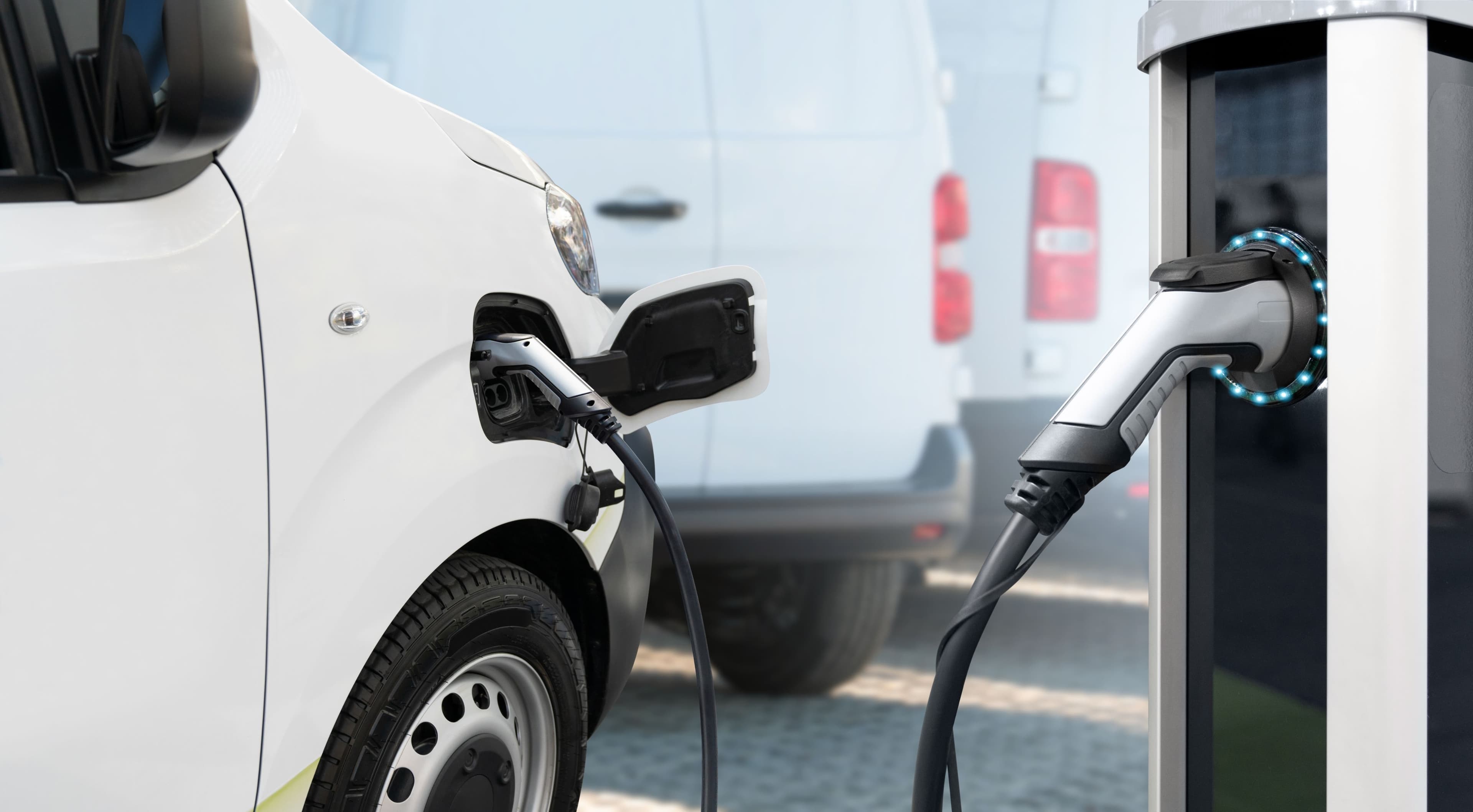
- EVs for the last mile: Future-proof urban deliveries with Electric Vehicles. While initial costs are higher, you can offset this with SEAI grants (up to €7,600), zero-rate BIK for employees (on the first €20,000 of OMV in 2026), and significantly lower per-kilometre running costs.
- Infrastructure & data: Whether you're installing on-site chargers via the Workplace Charging Scheme or monitoring HVO consumption through telematics, using data to validate your "Proof of Sustainability" is now essential for Irish commercial tenders.
4. Understand the 2030 targets
The Irish government has set specific "sectoral emissions ceilings." If your business operates in these areas, you are part of a national effort to meet these goals:
- Transport: 50% reduction target.
- Commercial buildings: 45% reduction target.
- Industry: 35% reduction target.
New for 2026: Beyond the carbon tax, new Benefit-in-Kind (BIK) rules for company vehicles now heavily favour zero-emission models. For many Irish SMEs, the financial "break-even" point for switching to EVs or HVO is now much shorter than it was two years ago.
5. Leverage local supports
The SEAI (Sustainable Energy Authority of Ireland) provides several tools to help Irish businesses transition:
- Energy Audit Voucher: A €2,000 voucher is available for SMEs to identify waste in their operations.
- EV Fleet Assessment Grant: For fleets of 5+ vehicles, you can access grants of up to €8,000 for a professional assessment of your electrification potential, using your existing telematics data as a baseline.
Turning Compliance into Competitive Advantage
The road to net-zero in Ireland is no longer a distant vision—it is an active business environment defined by the Climate Action Plan. While the 2030 targets and rising carbon taxes present a challenge, they also offer a clear opportunity for Irish businesses to become leaner and more efficient.
By focusing on vehicle performance and granular fuel monitoring, you aren’t just "checking a box" for environmental compliance; you are protecting your margins against rising fuel costs. Every minute saved on idling and every litre saved through better engine diagnostics directly improves your bottom line.
Reducing your carbon footprint is a journey of continuous improvement. Whether you are starting with a single telematics unit to monitor fuel consumption or preparing your fleet for a full transition to HVO or Electric Vehicles, the data you collect today will be your most valuable asset tomorrow.
Use telematics to cut your fleets emissions
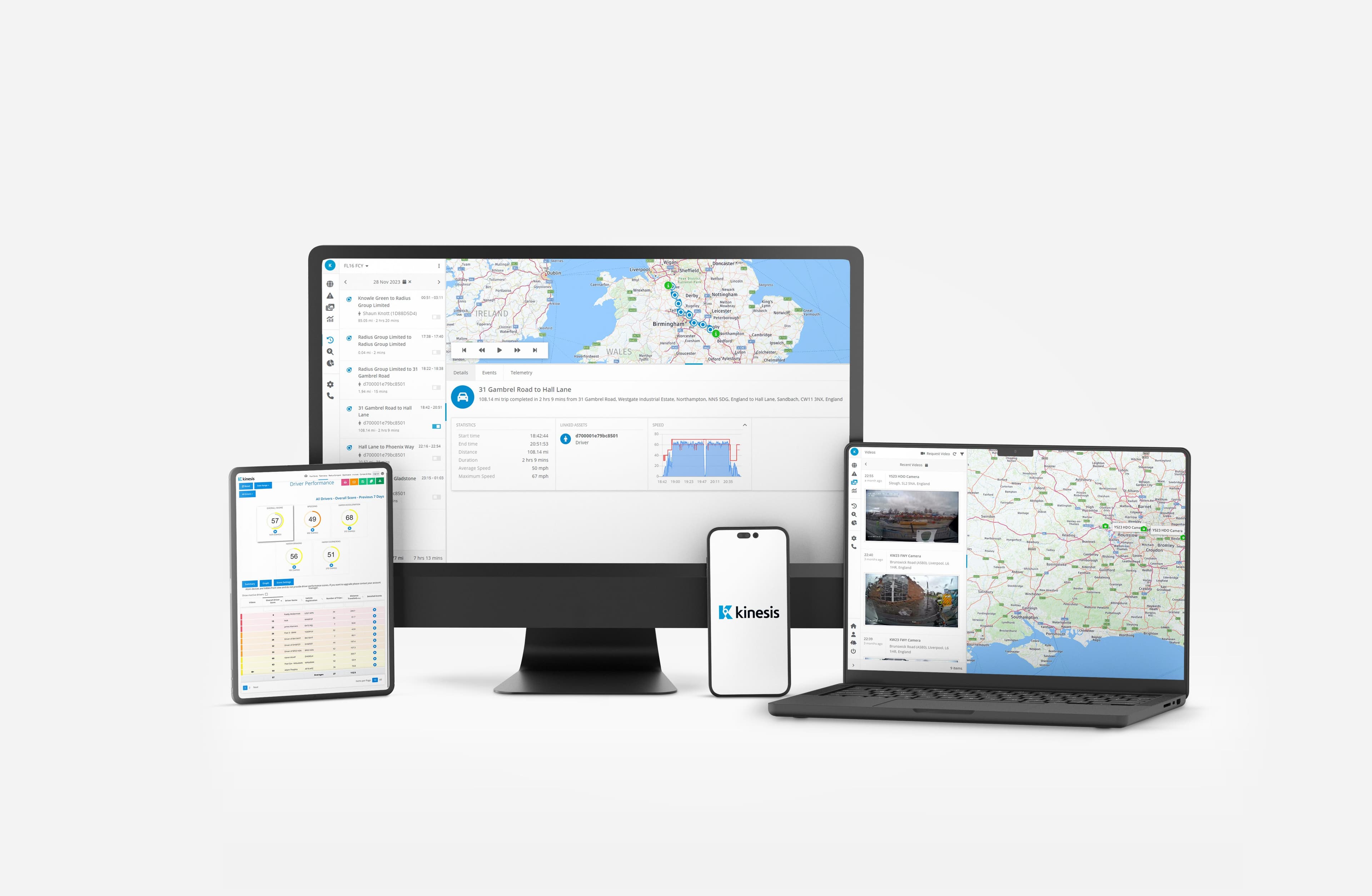
Kinesis telematics from Radius allows you to cut your carbon emissions by optimising routes, reducing fuel consumption, and promoting eco-friendly driving behaviors.