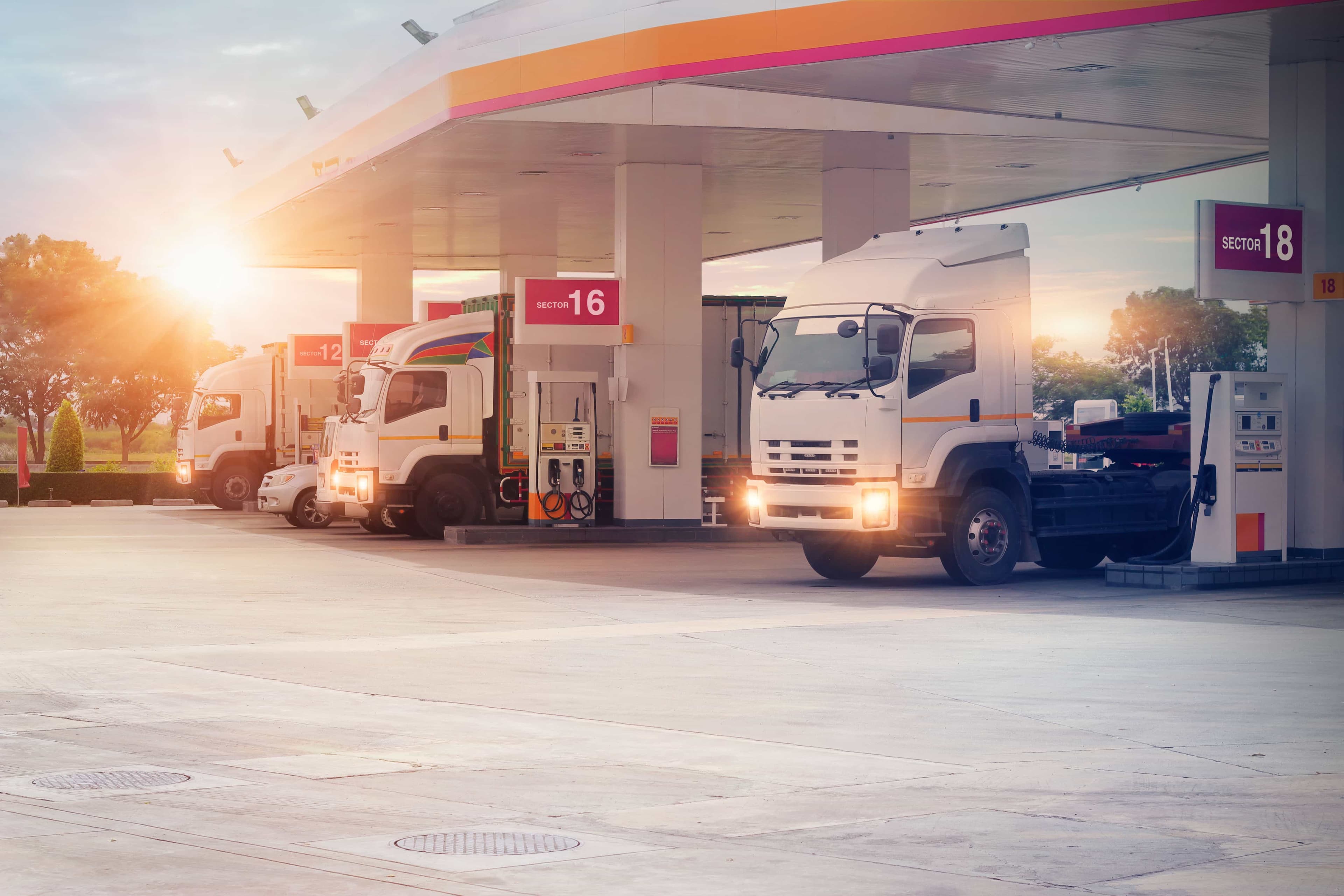
Fuel theft is no longer a small internal issue. It has become a nationwide problem costing Malaysian businesses millions.
Under enforcement operations like Ops Tiris 3.0 and 4.0, authorities have seized over RM32 million worth of subsidised fuel since 2024 and RM179 million in controlled goods overall (2024–2026).
This isn’t just about syndicates or smuggling. Misuse at the employee level can be just as damaging, especially for companies providing fuel cards, fleet vehicles, or reimbursements.
If you’re running a fleet or managing drivers, this is a cost leak you can’t afford to ignore.
What fuel theft actually looks like in Malaysian companies
Fuel theft isn’t always sophisticated. Most of the time, it’s simple, repeatable abuse.
Here are the most common patterns seen in Malaysian businesses:
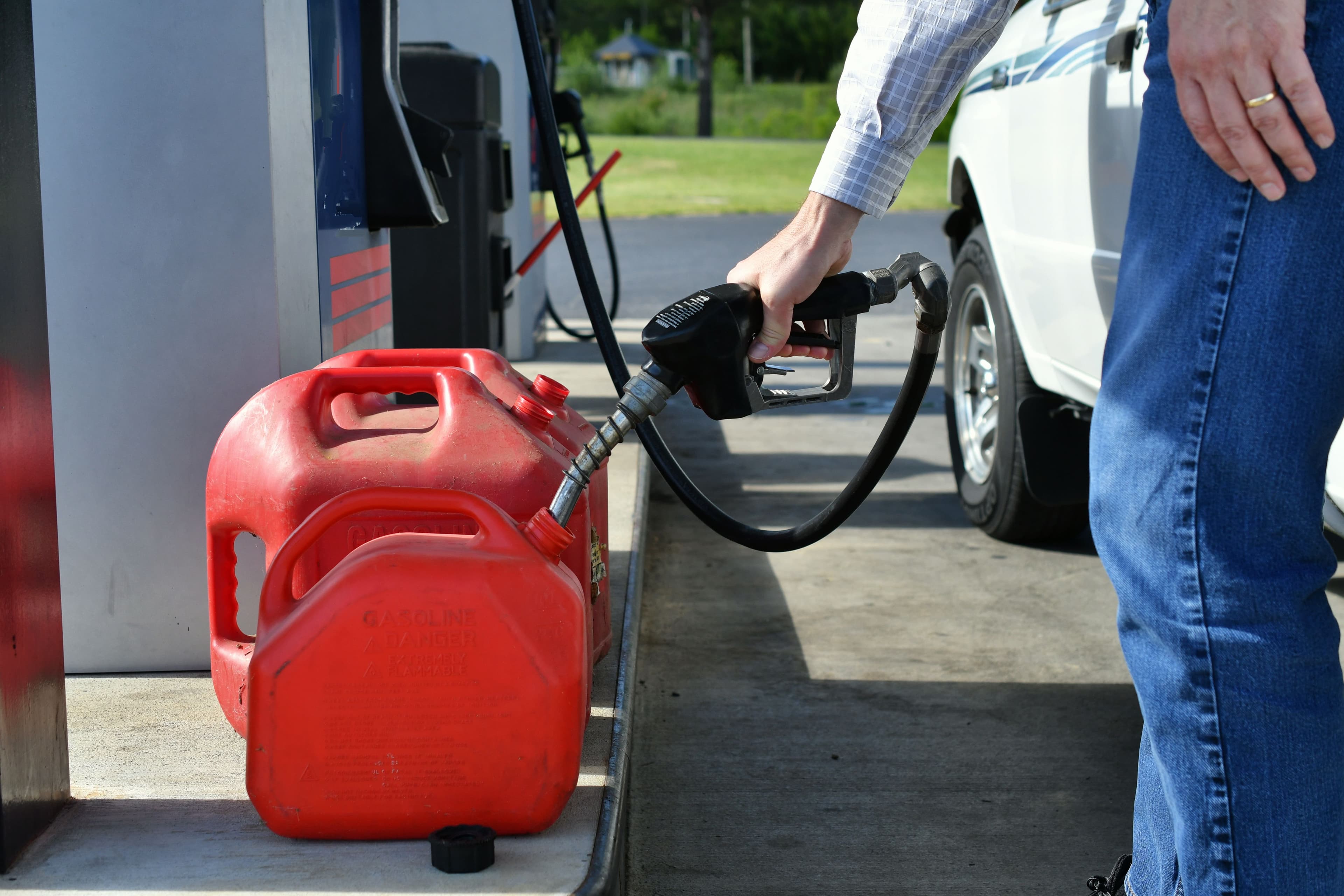
- Jerry can refuelling - Fuel is pumped into containers instead of the vehicle tank, then claimed as business usage.
- Inflated fuel claims - Receipts don’t match actual mileage or usage.
- Off-route refuelling - Drivers refuel far from assigned routes and often exploiting subsidised pricing differences.
- Fuel card sharing - Company fuel cards are used by friends or family for personal vehicles.
Case: In a 2025 Selangor operation, authorities seized 7,000 litres of diesel linked to misuse of subsidised fleet cards.

Why fuel theft is a growing problem
1. Heavy subsidies and price discrepancies
Malaysia’s fuel subsidy framework, especially for diesel and RON95 petrol under the Budi Madani programmes, has historically created price differences that incentivise diversion and abuse. Even though diesel subsidy rationalisation since mid 2024 reduced leakages, subsidised diesel disparities still make theft economically tempting.
For instance, data presented to the Dewan Rakyat showed that subsidised diesel sales dropped by about 40 % after targeted subsidy reforms, suggesting that previous misuse and smuggling accounted for huge quantities of fuel now suppressed by policy changes.
2. Modern enforcement pressure
Despite crackdowns yielding multi million-ringgit seizures, enforcement efforts are ongoing and evolving. For example, between March 16 and April 5, 2026, 8,148 inspections under integrated operations resulted in 155 cases involving controlled goods and diesel seizures worth RM2.19 million.
3. Manual processes and lack of technology controls in companies
Without robust monitoring tools such as telematics or controlled fuel card limits, companies often rely on manual logs and trust, making it easier for abuse to occur undetected.

How Telematics helps prevent fuel theft
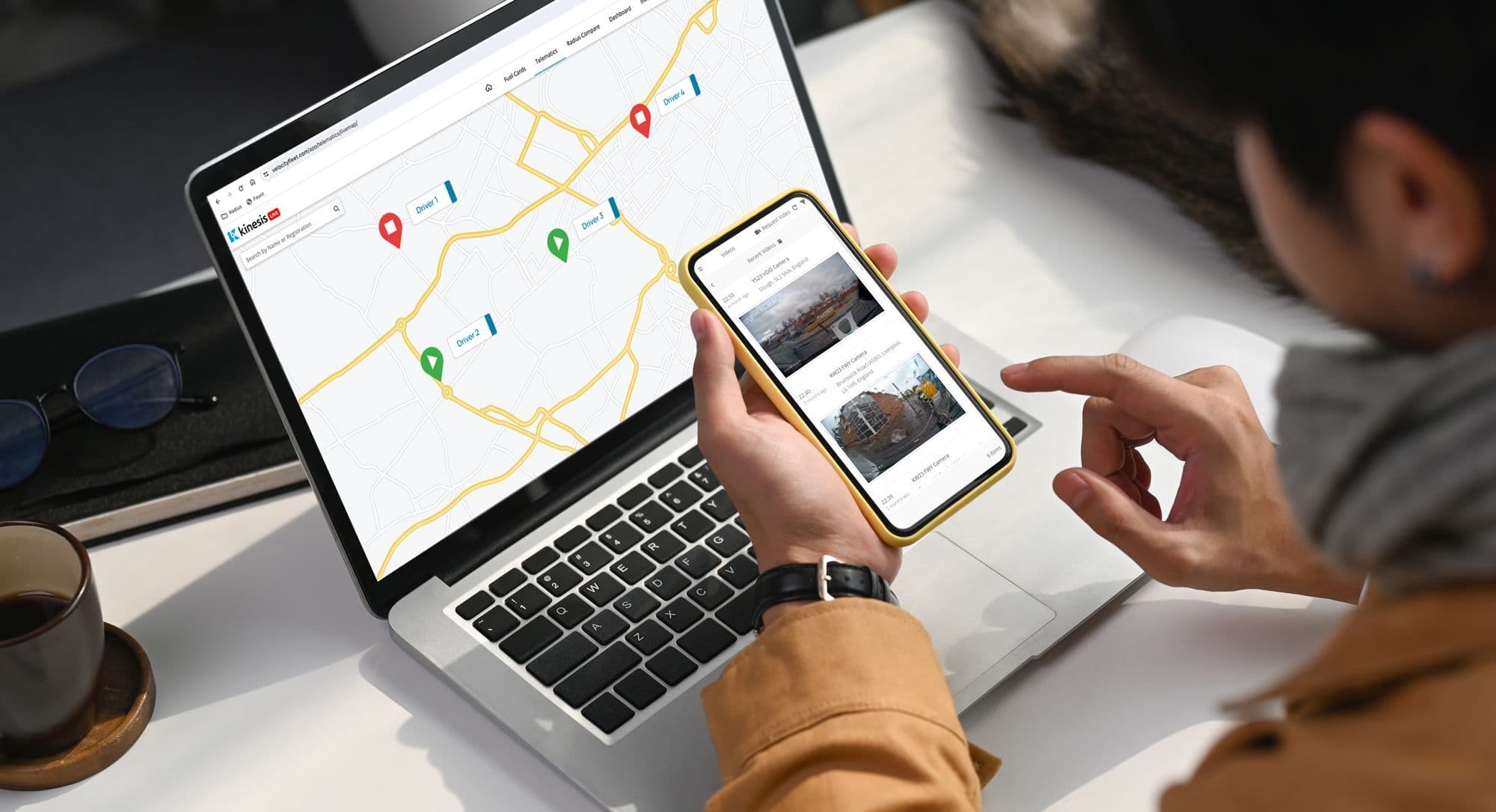
Modern telematics systems give Malaysian businesses real-time visibility into fleet operations and fuel usage. Key benefits include:
- Real-time fuel monitoring: Track exact fuel levels in each vehicle. Sudden drops trigger alerts, preventing siphoning or misuse.
- GPS-linked refuelling: Ensures vehicles refuel only at approved locations and routes, stopping off-route fuelling abuse.
- Automated alerts: Unusual fuel patterns, like refuelling outside work hours or spikes in consumption, are flagged instantly.
- Fuel card controls: Limits purchases per vehicle, per location, or per day, ensuring only authorized use.
By combining these features, companies can catch theft early, reduce losses, and maintain operational efficiency without manual checks.
Actionable steps Malaysian companies can take today
Here’s how Malaysian businesses can strengthen their control over fuel costs:
- Audit fuel claims consistently against actual vehicles usage and telematics data.
- Enforce clear refuelling policies, specifying approved stations and strict documentation requirements.
- Educate employees about the high cost of fuel theft and its impact on operations.
- Adopt telematics and fuel monitoring systems to gain visibility into real consumption.
- Leverage fuel card controls to set limits and reduce unauthorized usage.


Protect your fleet and reduce fuel losses today
Don’t let fuel theft quietly drain your company’s budget. With telematics and fuel monitoring solutions, you can track fuel usage in real-time, prevent unauthorized refuelling, and ensure every drop counts. Learn more about us today to see how our solutions can help your Malaysian business save money, improve fleet efficiency, and maintain accountability.