What to do if you’re in an accident in a company vehicle
Accidents involving company vehicles are stressful, costly, and can sometimes be life-changing. For Australian businesses, these incidents are unfortunately common. With road fatalities continuing to rise, it is essential for companies operating fleets or even a few vehicles to understand exactly what to do if an employee is involved in a crash.
This guide will show you what to do if you are involved in an accident in a company vehicle in Australia. We provide up-to-date 2025 statistics, practical advice, and strategies to help reduce risks for both drivers and businesses.
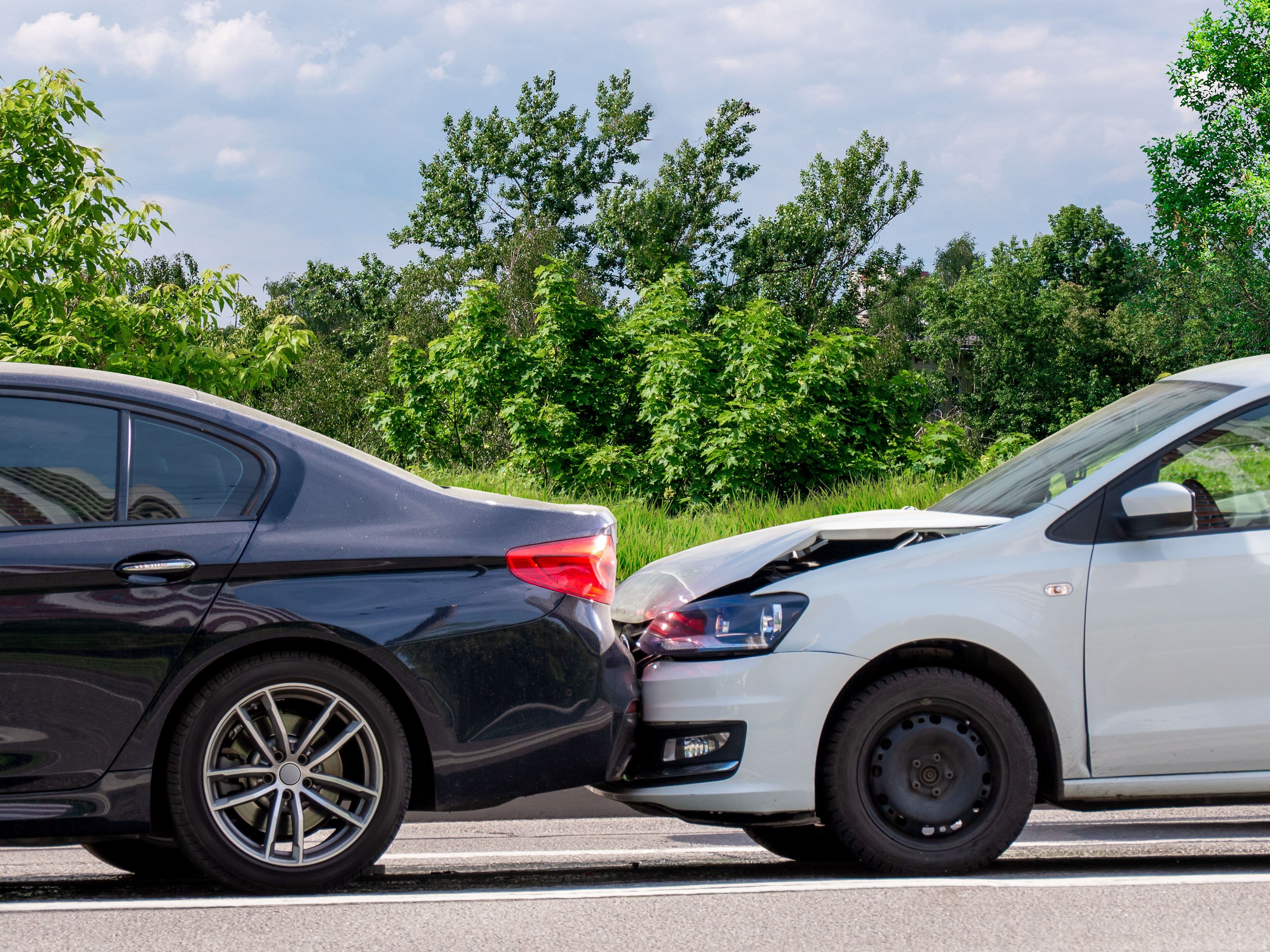
Protecting Your Fleet Amid Rising Road Fatalities in Australia
The need for robust company vehicle accident procedures has never been greater. According to the Road Safety Data Hub , in the 12 months to July 2025, 1,340 people died on Australian roads, an increase of 1.3% compared to the year before. That equates to a fatality rate of 4.9 per 100,000 people.
Even more concerning, research shows that regional Australians are five times more likely to die in crashes than those living in cities. In the past year alone, NSW road deaths rose by 33%, while the Northern Territory’s fatalities surged 72%.
For employers, this means heightened risk exposure—especially for fleets operating across rural and regional Australia.
1. Safety first
The first priority in any company vehicle accident is safety—yours, your passengers’, and other road users’. Australian roads present unique hazards, including wildlife collisions, long rural highways, and high-speed zones. Staying calm and alert is critical.
Check for Injuries : Assess yourself, passengers, and anyone else involved in the accident. If anyone is injured and requires immediate medical attention, call Triple Zero (000) for an ambulance.
Identify Hazards : Look around for potential dangers, such as:
- Leaking fuel or other fluids
- Debris or broken glass
- Vehicles obstructing traffic
If the accident site is unsafe, stay clear of the road and try to warn other drivers.
Move to a safe location : If it’s safe and the vehicles are drivable, move them to a safe area away from traffic, such as a roadside layby, car park, or wide shoulder. This helps prevent secondary accidents.
Make yourself visible : Turn on hazard lights and, if available, use cones or warning triangles to alert other road users. Visibility is crucial, especially on high-speed roads or at night.
Call emergency services when needed : For serious injuries, fire, or other critical hazards, call 000 immediately. For minor incidents without injuries, contacting local police may still be required, depending on the state or territory regulations.
2. Collect evidence
Once everyone is safe, emergency services have been contacted, and the scene is secure, the next step is to gather as much information as possible about what happened. The more accurate and detailed your records are, the easier it will be to manage insurance claims, determine liability, and protect your business from potential disputes.
1. Exchange details
In Australia, drivers involved in a collision are legally required to exchange key details at the scene. Be sure to collect:
- The full name, address, phone number, driver licence number and insurance details of the other driver(s).
- The vehicle make, model and registration plate number for all vehicles involved.
- Details of any passengers, pedestrians, or cyclists who were part of the incident.
If your driver collides with a stationary or unattended vehicle, they must leave their contact details on the vehicle (for example, under the windscreen wiper) and report the incident to police via 131 444 or at the nearest station.
2. Document the incident
Encourage your driver to make detailed notes while the situation is still fresh. Record:
- Time, date and exact location of the accident.
- Weather, lighting, and road conditions.
- A brief account of what happened and the direction of travel for each vehicle.
- Contact details of any witnesses, including bystanders or nearby business owners.
If anyone has been injured, or if there is significant property damage or a traffic hazard, the driver must notify police immediately.
3. Capture visual evidence
Photos and videos are critical in understanding what happened and supporting future insurance or legal proceedings. Capture:
- Damage to all vehicles and property involved.
- The broader scene, including road markings, traffic signs, and vehicle positions.
- Any skid marks, debris, or environmental factors that may have contributed to the incident.
If your company vehicle is fitted with a dash cam, save and back up the footage immediately. Dash cam evidence can be decisive when determining fault or defending your business against fraudulent or inflated claims.
Dash cam footage has become an invaluable safeguard for commercial fleets in Australia. A recent case in Sydney underscores this importance: a 66-year-old man was accused of staging 16 car crashes using fake identities and 45 vehicles, attempting to fraudulently claim nearly $400,000 in insurance payouts. In 2023, the Insurance Council of Australia (ICA) reported that fraudulent activities—such as staged accidents and multiple simultaneous insurance claims—cost the industry $560 million in detected fraud. To tackle this, in May 2024, the ICA established a dedicated counter fraud and scams function, appointing Andrew Gill as CEO, aimed at strengthening the industry’s ability to detect and prevent insurance fraud.
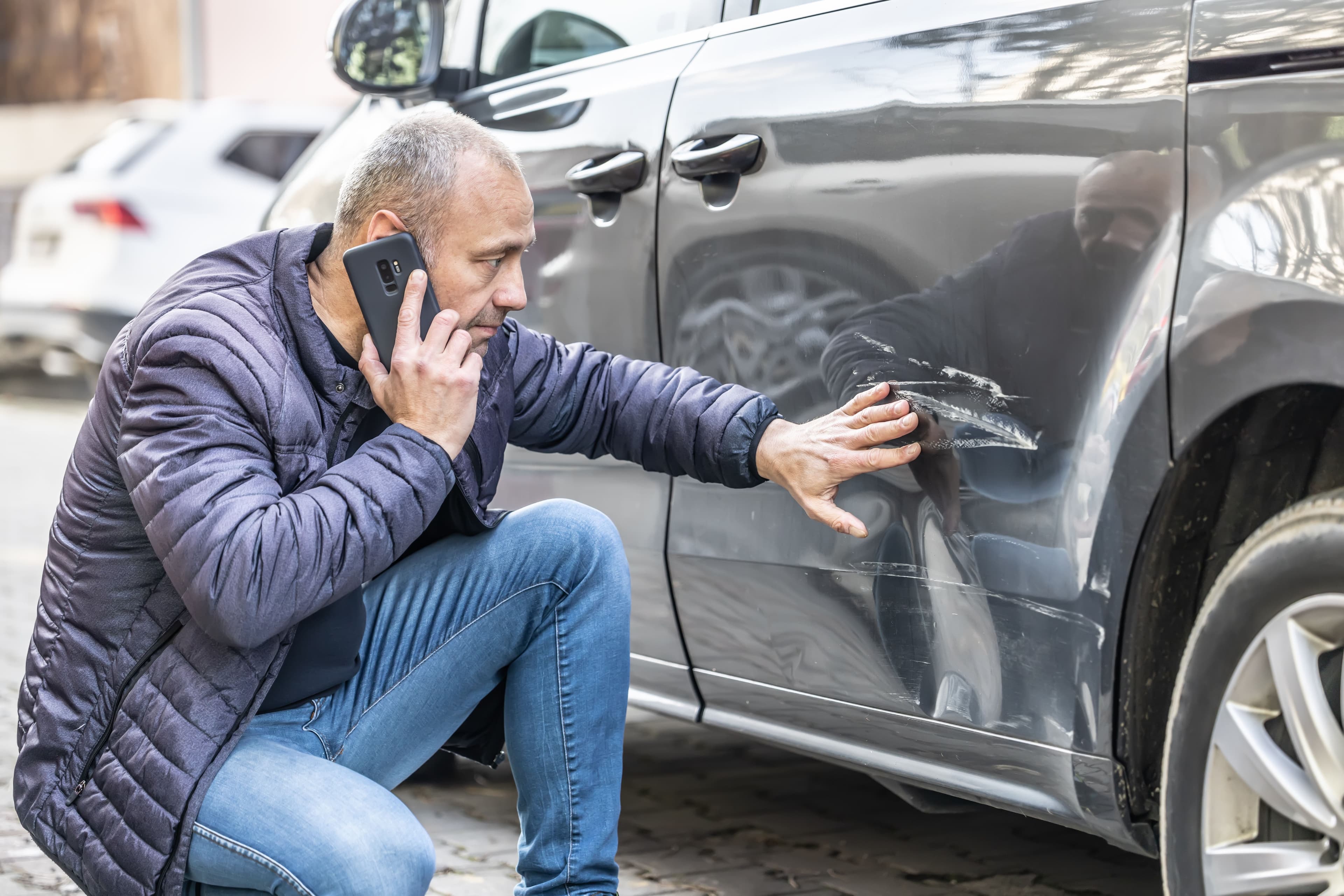
3. Follow your company vehicle accident procedure
Most companies that operate with the use of vehicles or provide staff with company cars will have a specific procedure in place for dealing with accidents. Firstly, get in touch with your manager to inform them about the accident as soon as possible. They should be able to inform you of the company’s vehicle accident procedure, which will likely include completing relevant paperwork and providing a written account of what happened.
Employee Assistance Programs should also be offered to those involved. Even if no harm was evident at first, accidents can have long-term physical and emotional impacts, making these resources extremely important for employee wellbeing.
4. Inform both personal and business insurance providers
After a crash involving a company vehicle, the next critical step is to notify the relevant insurance providers:
- Your business’ fleet insurance provider
- Your personal insurance provider, if applicable
Provide as much detail about the incident as possible and follow the insurer’s claims process. This may involve submitting additional evidence, such as dash cam footage or telematics data from the vehicle.
n Australia, in-vehicle monitoring systems and telematics have proven highly effective in reducing crash-related costs. For example, combining telematics with driver coaching can significantly lower incident costs. Real-world cases highlight the value of this technology: PNO Insurance reported that dash cam footage saved a transport company $40,000 by providing concrete evidence to support their claim, demonstrating how dash cams can protect fleets and reduce insurance expenses.
Company car accident: Who is liable?
Determining liability after an accident in a company car can be complex, but the first step is to establish who was at fault. Typically, liability will fall on the party whose negligence caused the accident. A number of factors are taken into account to determine this, such as:
- Driver Negligence: Was the driver of the company vehicle at fault? Were they speeding, using their phone, driving under the influence of drugs or alcohol or exhibiting bad driving habits such as harsh breaking or unsafe lane changes?
- Company Negligence: Could the company itself be held responsible? Did the driver have the adequate qualifications, experience and working conditions required to safely drive the vehicle? And was the vehicle itself properly maintained and appropriate for the journey it was making?
- Third-Party Negligence: If the business wasn’t to blame, and the driver involved in the accident in the company vehicle was not at fault, then the accident may have been caused by the negligence of a third party. This could include the behaviour of another driver, pedestrian or cyclist, poor road maintenance or signage, or mechanical failure of another vehicle involved.
Please note: These are just a few common causes of accidents in company vehicles. It’s important to seek legal advice if you’re in this situation, as other factors, such as traffic laws, witness testimonies, and accident reconstruction reports play a vital role in the final determination of who is liable.
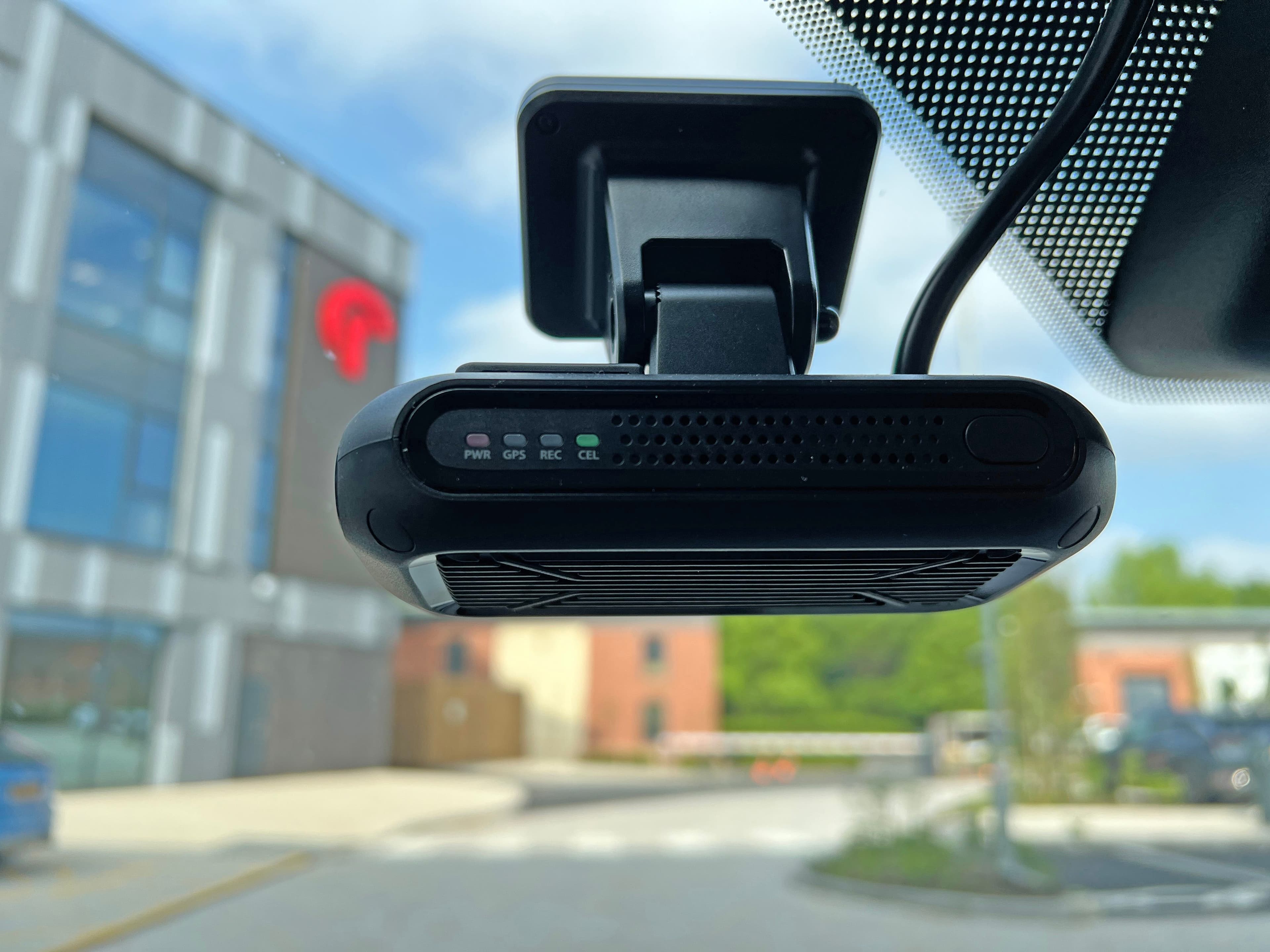
How to prove you weren’t at fault in an accident in a company vehicle
As mentioned above, witness statements and photographic evidence from after the incident are helpful in determining liability after a company car accident. However, none are quite as valuable in strengthening your case as real footage and tracking from the incident.
- Fleet Dash Cams: Dash cams, such as Vision, provide unbiased, time-stamped evidence of what happened both in the lead-up to and during the incident. This can be invaluable for proving who was at fault or even disputing false claims from other drivers. Dash cam footage can also help to corroborate witness accounts, adding weight to your defence.
- Fleet tracking: Telematics systems enable the monitoring and analysis of driver behaviour, even long before the incident took place. This information can be extremely helpful in demonstrating a driver’s history and adherence to company policies. In some cases, telematics software can be used to reconstruct the accident, providing valuable insights into the events leading up to the collision.
How to prevent future accidents in a company vehicle
Accidents in a company van, car or other vehicle can never be completely avoided. However, by regularly reviewing driving practices via fleet dash cams and telematics software and implementing a robust driver safety program, you can significantly reduce the risk of future incidents.
To find out more about how Radius can help protect your fleet and drivers, get in touch with a member of our friendly team today.
Disclaimer: the information provided in this guide is for general guidance only and does not constitute legal advice.
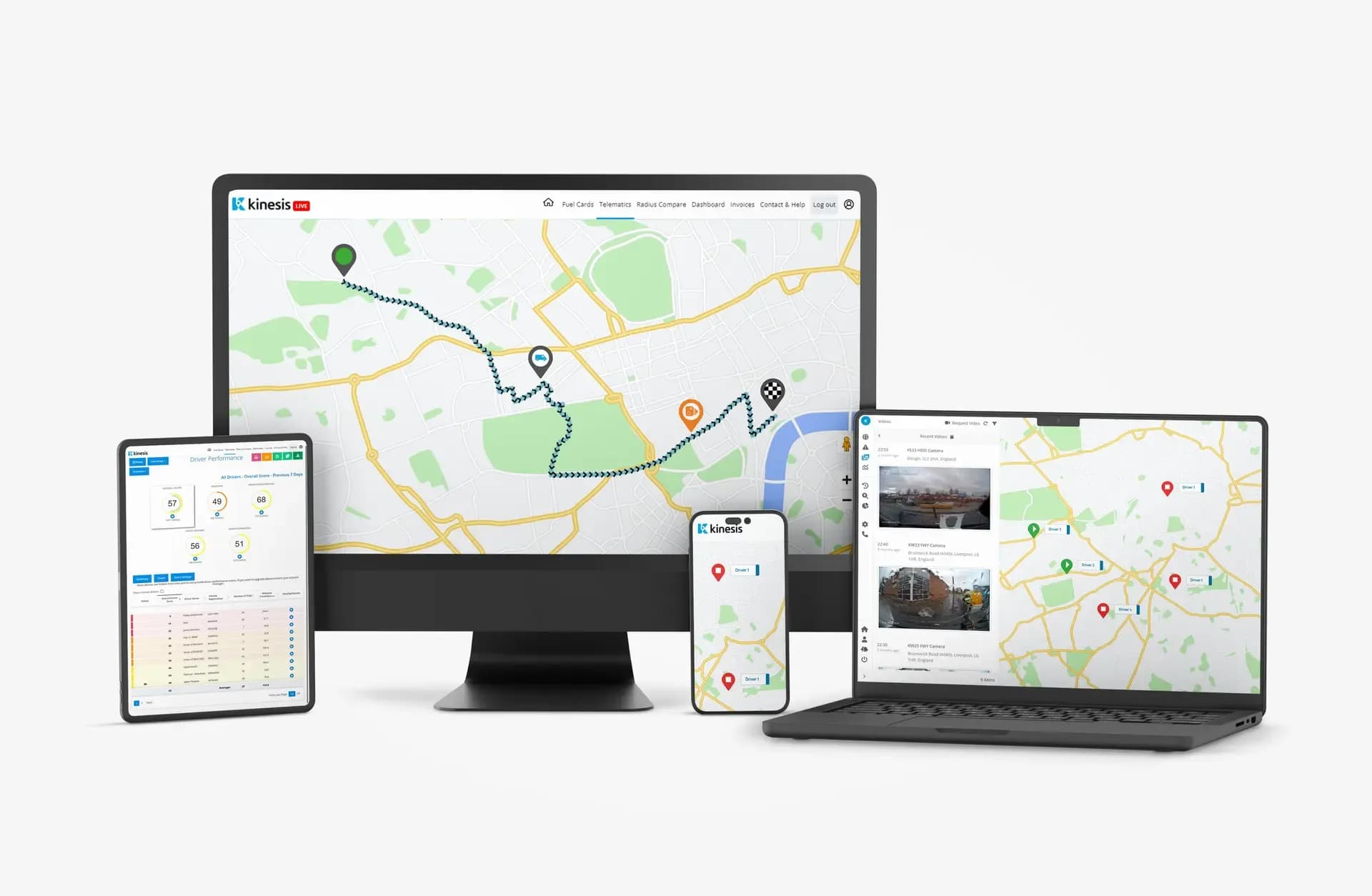
Need help monitoring your fleet?
Radius offers vehicle tracking systems with dash cam integration to help you protect your drivers and valuable assets. Speak to one of our experts to find the best solution for your business.