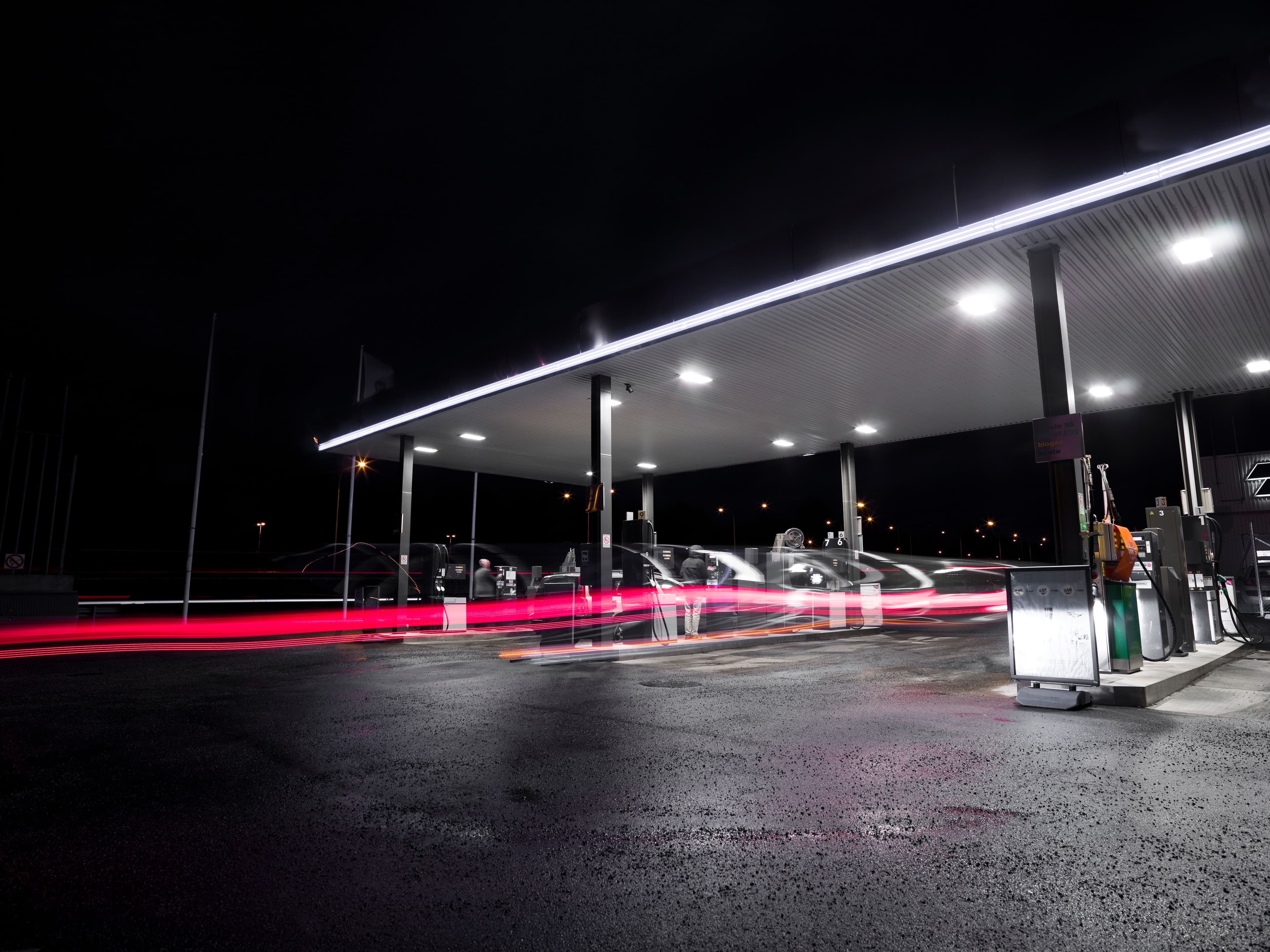
Diesel prices across Australia are pushing towards $3.20 to $3.30 per litre, with some regions already exceeding this level. Prices have surged sharply since March 2026, marking the fastest increase since the global energy shocks of 2022 and driven by supply constraints.
But while fuel prices dominate headlines, the biggest and most controllable cost often sits within your own operation.
Driver behaviour, excessive idling, and undetected fuel loss or theft are collectively driving significant inefficiencies. These are costs that, at today’s record fuel prices, no fleet can afford to ignore. With diesel now a critical pressure point for Australian transport operators, improving operational efficiency is no longer optional, it is essential.
When is fuel consumption at its highest?
Understanding where and when fuel is being consumed is the first step to controlling fuel costs. In Australia, fuel consumption typically peaks in three key areas: stop-start driving, excessive idling, and high-speed highway travel.
Aggressive driving alone can increase fuel use by up to 37%, while idling delivers zero productivity at a constant cost. Even a single vehicle can waste hundreds of dollars each year just sitting idle. When this is multiplied across an entire fleet, the financial impact quickly becomes significant.
Research and industry data in Australia show that idling can account for around 10–15% of total engine run time for commercial vehicles. This means it is not an occasional habit, but a consistent and measurable drain on fleet efficiency and operating costs.
In a market where diesel prices are at record highs, reducing unnecessary fuel consumption is one of the fastest ways for Australian fleet operators to improve margins and maintain profitability.
What will reduce fuel consumption?
Improving driver behaviour is one of the most effective ways Australian fleets can reduce fuel consumption. Industry studies and local telematics data show that smoother driving, such as gradual acceleration, consistent speeds, and reduced harsh braking, can cut fuel use by up to 20–25%. These improvements not only lower fuel costs but also reduce vehicle wear and improve safety outcomes.
Route optimisation is another critical lever, particularly across Australia’s vast transport networks. By using real-time traffic data and planning more efficient routes, fleets can minimise unnecessary kilometres, reduce time spent in congestion, and avoid high-consumption stop-start conditions in urban areas. Even small route efficiencies can translate into significant fuel savings at scale.
Technology and visibility also play a central role. Solutions like Kinesis and other telematics platforms give fleet managers detailed insights into idling time, driver behaviour, and fuel consumption at a vehicle level. They can also flag irregular fuel transactions, helping identify potential fuel loss or misuse early.
With diesel prices remaining elevated across Australia, fleets that combine better driving practices, smarter routing, and data-driven insights are best positioned to reduce fuel consumption and protect margins.

The risk nobody is talking about: fuel fraud
Rising fuel prices don’t just increase operating costs—they also amplify both the incentive and the impact of fuel fraud.
Australian fleet operators are increasingly exposed to fuel loss through unauthorised refuelling, fuel siphoning, and discrepancies between recorded fuel usage and actual vehicle activity. At today’s elevated diesel prices, even small irregularities can quickly escalate into substantial financial losses across a fleet.
Fuel inefficiencies and untracked losses often go unnoticed without proper monitoring. Poor fuel data alone can quietly drain tens of thousands of dollars annually through a combination of fraud, excessive idling, and inefficient driving.
Fuel theft is often incremental. A few litres missing per vehicle each day may not raise immediate concerns, but across an entire fleet, this compounds into thousands of litres and significant yearly costs. Many Australian fleet operators only discover the true scale of these losses once they begin comparing fuel usage against actual vehicle activity.
Australian guidance on fuel fraud prevention confirms that small, repeated thefts are notoriously difficult to identify without monitoring systems. In a high-cost fuel environment, the greatest risk is often the hidden, cumulative loss occurring across daily operations.
Without telematics and data-driven visibility, these losses are difficult to detect. Fuel discrepancies can be misattributed to normal consumption, inefficient driving, or route conditions, with no clear baseline for identifying anomalies.
By contrast, fleets using telematics can detect irregularities early, reduce losses, and maintain control over one of their largest operating expenses.
How telematics enables fuel cost mitigation
At Radius, our telematics platform gives Australian fleet managers real-time visibility across every vehicle, turning raw data into actionable insights that help reduce fuel costs.
By monitoring driver behaviours such as harsh braking, rapid acceleration, and speeding, fleets can identify inefficiencies and deliver targeted coaching. These small behavioural changes can produce measurable fuel savings while also improving safety and reducing vehicle wear.
Idle time reporting highlights excessive engine-on periods at the vehicle level, allowing managers to address fuel waste at the source rather than letting it become an ongoing cost.
By tracking distance travelled, engine hours, and fuel consumption trends, fleets can identify inconsistencies or potential fuel misuse early—before these issues escalate into significant losses.
While diesel and petrol prices in Australia remain volatile, how fuel is used within your operation is controllable. With the right visibility and insights, fleet managers can optimise driver behaviour, reduce waste, and protect margins in a high-cost fuel environment.
Learn more about telematics