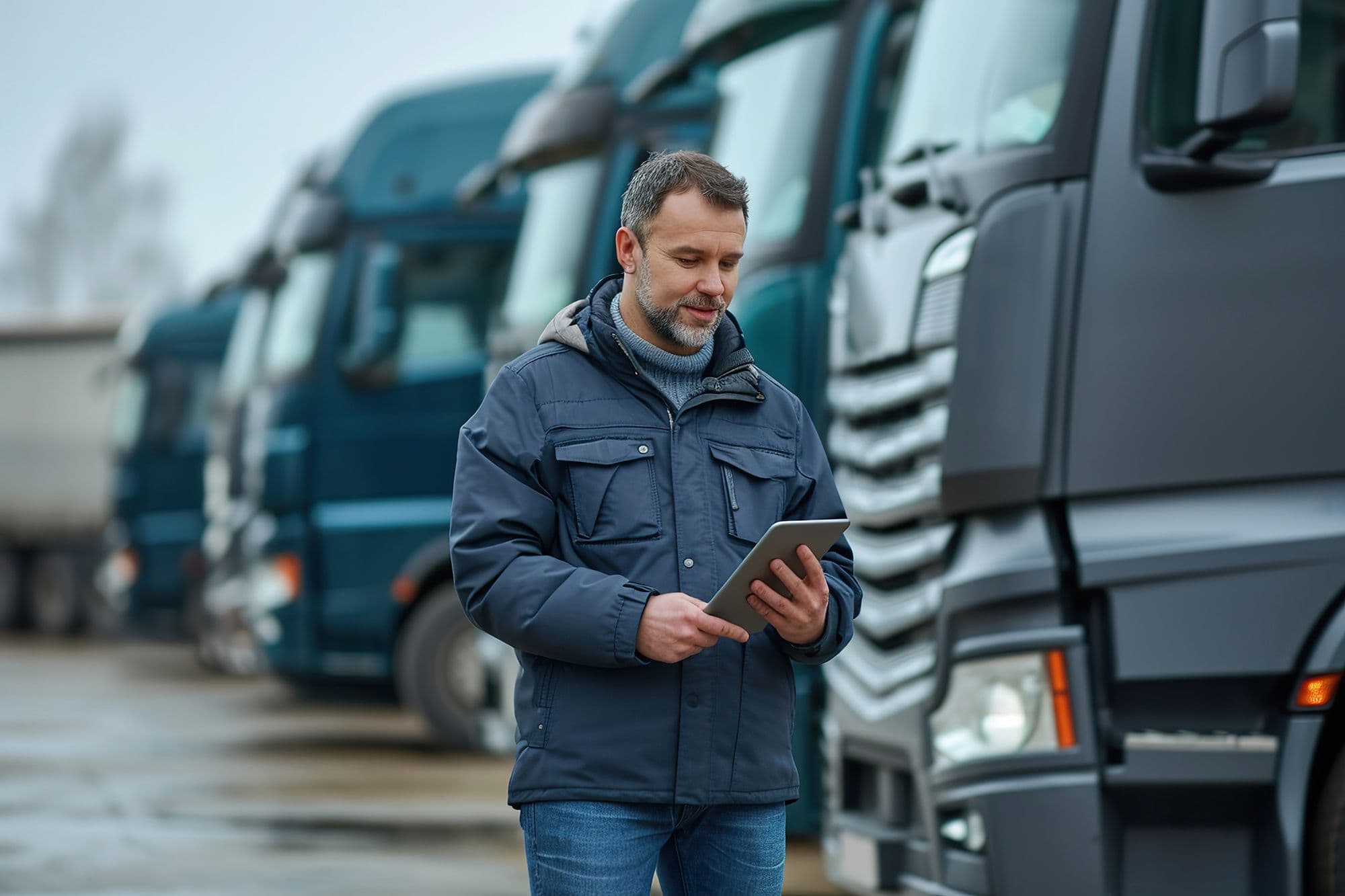
1. Implement real-time tracking
One of the most effective ways to improve fleet management is to gain complete visibility of your vehicles.
Real-time GPS tracking enables fleet managers to :
- Improve dispatching and route optimisation
- Monitor vehicle locations instantly
- Provide accurate customer ETAs
- Reduced unauthorised vehicle use
- Improve asset utilisation
With a live vehicle tracking solution, businesses can respond quickly to delays, improve customer service, maximise productivity, and optimise daily operations.
2. Reduce fuel costs through driver behaviour monitoring
Fuel remains one of the largest operating expenses for Australian fleets.
Telematics systems can identify behaviours that increase fuel consumption, including:
- Excessive idling
- Harsh acceleration
- Speeding
- Aggressive braking
- Inefficient route selection
Research shows that monitoring and coaching drivers can lower fuel consumption by 5% to 20% while reducing vehicle wear and tear. Businesses that actively address harsh acceleration, speeding, and excessive idling see immediate, measurable savings.
3. Use geofencing and fleet tracking to improve efficiency
GPS tracking and geofencing technology provide greater insights into fleet operations by allowing businesses to monitor vehicle movements, track arrivals and departures, and identify opportunities to improve productivity/uptime.
Benefits of geofencing and fleet tracking include:
- Real-time visibility of vehicle locations
- Improved accountability across drivers and assets
- Better customer service through accurate arrival information
- Enhanced security for vehicles and equipment
By analyzing journey history and live location data, fleet managers can cut unnecessary travel by up to 15% and make informed operational decisions. Full fleet visibility increases productivity by up to 20% while maintaining precise control over day-to-day operations.
4. Strengthen your driver safety program
Driver safety should be a top priority for every fleet operator. Smart telematics systems provide valuable insights into driving behaviour and can identify high-risk actions before they result in accidents.
Fleet managers can be monitored and alerted about :
- Speeding events
- Harsh braking incidents
- Harsh cornering
- Rapid acceleration
- Fatigue risks
Many Australian businesses use driver scoreboards and coaching programs to encourage safer driving habits and reduce accident rates. Improved safety performance can also contribute to lower insurance costs and reduced downtime.
The NTI & NRSPP National Truck Accident Research Centre (NTARC) Report highlights that proactively managing human factors (speeding, fatigue, and distraction) directly reduces major loss claims.
5. Move from reactive to preventive maintenance
Unexpected breakdowns are expensive and disruptive, with reactive repairs costing 25% to 30% more and unplanned downtime costing fleets $450–$750+ per vehicle daily.
Preventive maintenance saves 12% to 18% in total operating expenses by scheduling servicing before minor issues become major mechanical failures.
Fleet maintenance programs should include :
- Scheduled servicing
- Tyre inspections
- Oil changes
- Brake checks
- Engine diagnostics
Radius fleet management platforms can automate maintenance alerts based on kilometres travelled, engine hours, or vehicle diagnostics, helping reduce vehicle downtime and extend asset life.

6. Improve compliance and reporting
Australian fleet operators face increasing compliance obligations, including vehicle safety requirements, Chain of Responsibility (CoR) obligations, and record-keeping standards.
Fleet management software compliance by :
- Automating reporting
- Tracking driver activity
- Enabling recording of inspections
- Maintaining service histories
- Storing digital documentation
Automated compliance processes reduce administrative workloads by 30% to 50% while helping businesses reduce regulatory risks and fatigue breaches by up to 35%.
7. Use data analytics to drive better decisions
Fleet data is one of the most valuable assets available in modern businesses.
Analytics dashboards allow fleet managers to monitor key performance indicators such as :
- Fuel consumption
- Vehicle utilisation
- Driver performance
- Maintenance costs
- Driver behaviour
Data-driven decision-making helps businesses identify inefficiencies, reduce waste, and continuously improve operations. Rather than relying on assumptions, managers should use real-world insights to optimise fleet performance.

8. Improve communication across your fleet
Effective communication is critical to efficient fleet operations.
Fleet managers need accurate, real-time information to coordinate drivers, respond to changing schedules, and manage customer expectations.
Connected fleet management solutions help businesses :
- Maintain visibility across vehicles and assets
- Share important updates with drivers
- Respond quickly to unexpected delays
- Improve job scheduling and dispatching
- Enhance customer service through accurate ETAs
9. Monitor asset utilisation
Many businesses unknowingly operate under-utilised vehicles.
Regular fleet audits can help identify :
- Low-use vehicles
- Duplicate assets
- Ineffective scheduling
- Opportunities for fleet right-sizing
Improving vehicle utilisation reduces ownership costs, insurance expenses, registration fees, and maintenance requirements. A leaner fleet often delivers stronger operational performance.
10. Choose the right fleet management platform
Technology plays a critical role in fleet improvement initiatives.
When evaluating fleet management software, look for features such as:
- Real-time GPS tracking
- Driver behaviour monitoring
- Route optimisation
- Mobile accessibility
- Asset tracking
The future of fleet management in Australia
As Australian businesses embrace connected fleet technologies to improve visibility and efficiency, the local telematics market is expanding by over 15% annually.
Driven by recent fuel price increases, rising labour costs, and evolving compliance requirements, telematics empowers fleet managers to reduce total operating expenses by 10% to 20% while elevating customer service delivery.
Today’s fleet management is not just about tracking assets but about leveraging real-time data to streamline operations, maintain compliance, and drive long-term profitability.
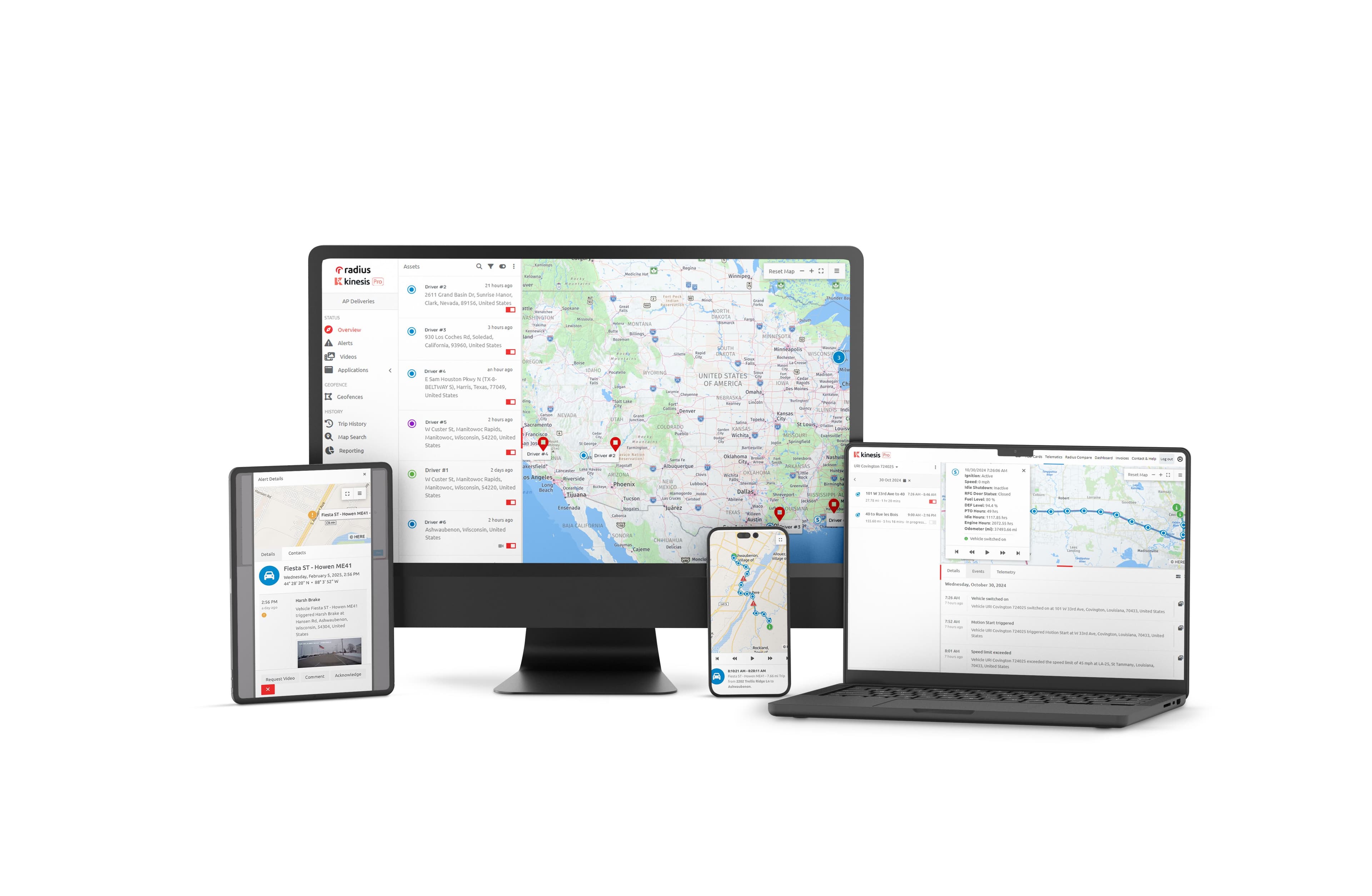
Advanced fleet management software to cut fleet costs
Speak to one of our team to find out more about how telematics can help you monitor your fleet and reduce costs.