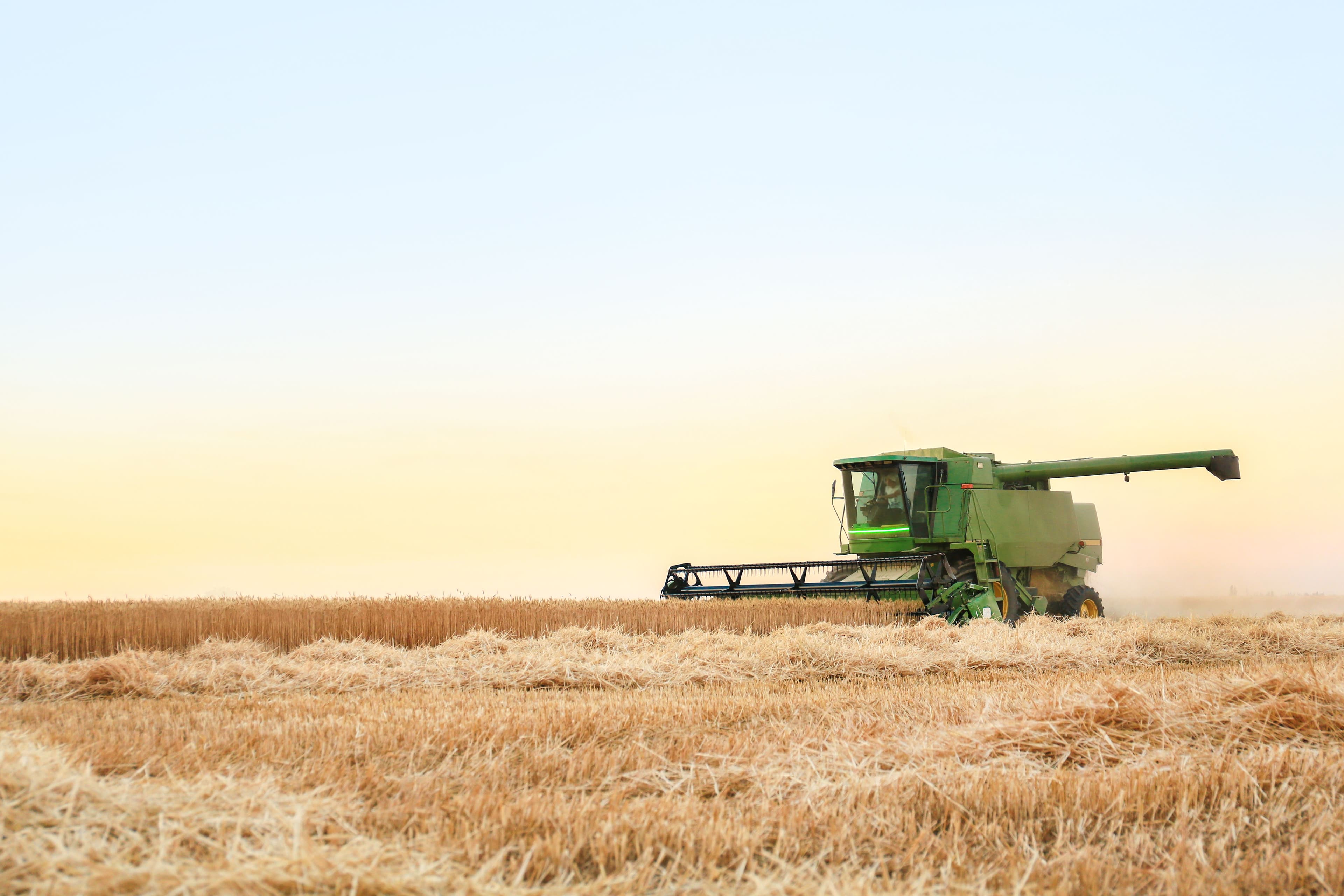
Farm equipment theft can have a serious impact on an agricultural operation. Tractors, trailers, generators, ATVs and other valuable assets may be stored across large, remote properties, making them difficult to monitor and attractive to thieves.
The financial consequences can also extend well beyond the replacement value of the stolen equipment. If an essential machine disappears during planting or harvest, the resulting downtime can disrupt work schedules, reduce productivity, yields and increase operating costs.
A GPS tracking system can give farmers greater visibility of powered and non-powered equipment. With location data, geofencing (alerts for movement in and out of key areas) and movement alerts, farmers can monitor valuable assets and respond quickly when something unexpected happens.
Farm equipment theft is a costly problem
Farm machinery and heavy equipment are valuable, portable and often left unattended in fields, barns or remote storage areas. Common targets can include tractors, loaders, generators, trailers, utility vehicles and individual machinery components.
The National Equipment Register’s 2024 Labor Day theft report recorded 217 reported incidents with a combined loss value of more than $5.8 million. Skid steers, commercial mowers and wheeled tractors were among the most commonly targeted equipment types in that dataset.
The National Insurance Crime Bureau recommends installing tracking or recovery devices, maintaining accurate equipment records and reporting thefts to law enforcement immediately.
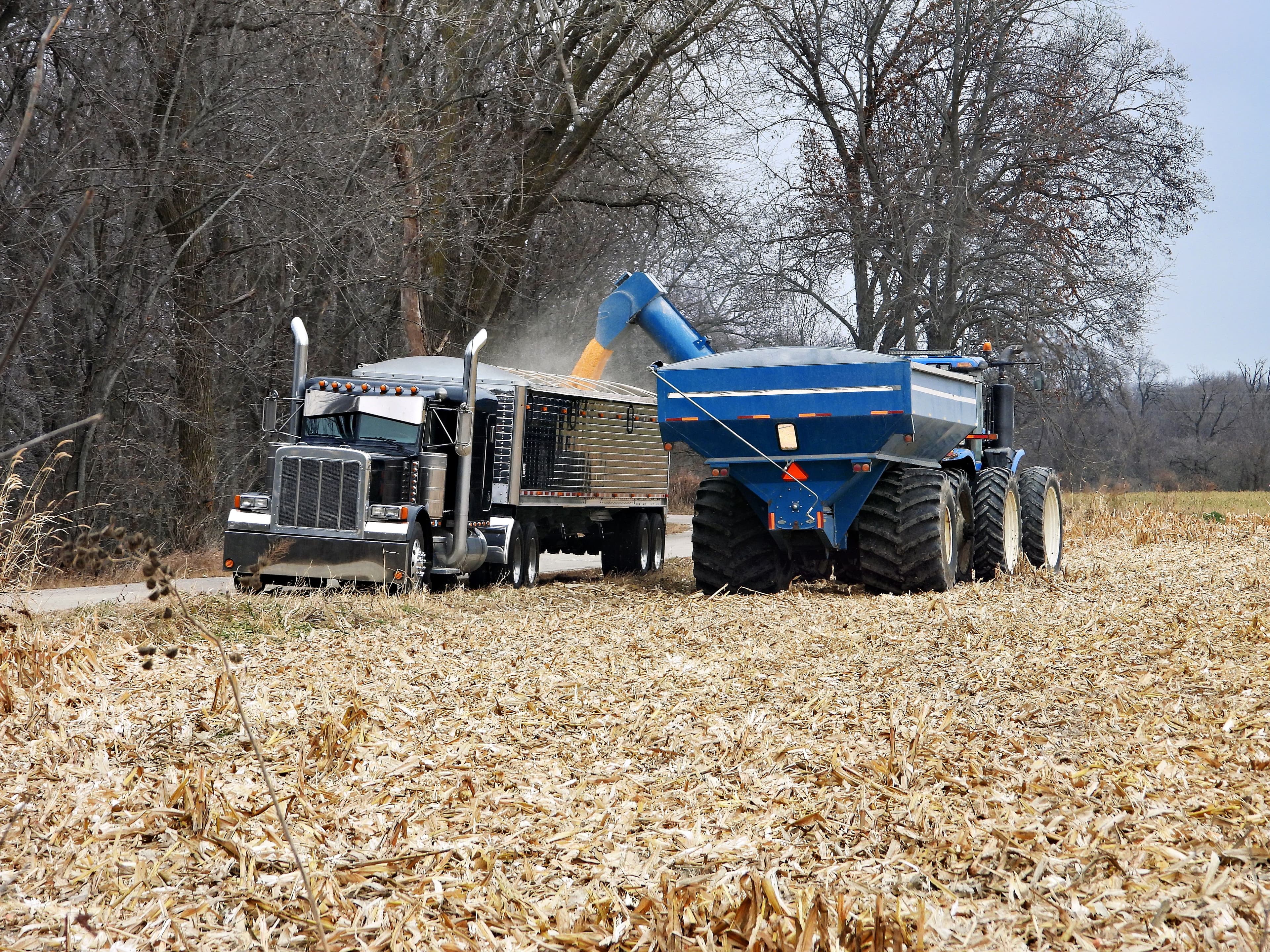
The impact of stolen farm equipment is more than loss
Operational downtime and lost productivity
The loss of a tractor, trailer, plow or other essential asset can interrupt time-sensitive work. Planting, harvesting and livestock operations cannot always be postponed while a replacement is sourced.
The Washington State Department of Agriculture warns that when farm machinery theft occurs during critical planting or harvesting periods, the resulting loss of productivity can compound the total financial loss.
Unexpected replacement and rental costs
To keep work moving, a farm may need to rent replacement machinery, arrange third-party transportation or pay for expedited delivery of replacement equipment. These unplanned expenses can place additional pressure on operating margins.
Lost management and employee time
Equipment theft also creates an administrative burden. Farmers and managers may need to file a police report, contact their insurer, provide ownership records and serial numbers, and find suitable replacement equipment.
Keeping accurate records before an incident occurs can make this process easier. The NICB recommends maintaining photographs and a centralized list of product identification numbers and component serial numbers for each piece of heavy equipment.
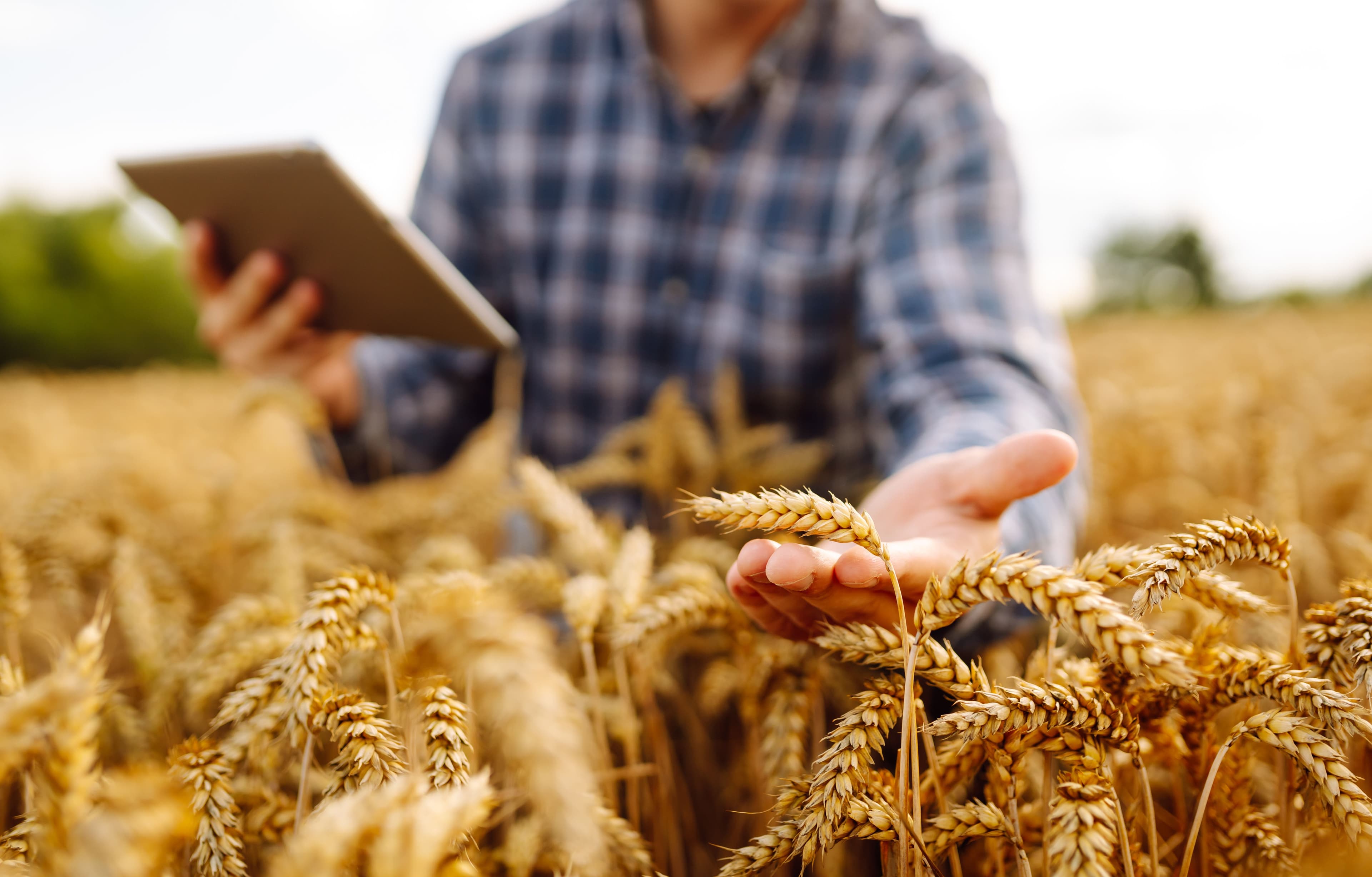
How GPS tracking can help to protect farm equipment
Physical security remains important, but locks, gates and secure buildings cannot provide complete visibility across a large farm. GPS tracking adds another layer of protection by helping farmers monitor the location and movement of their equipment.
Track equipment locations
A farm equipment tracking system can provide location information for tractors, machinery and other agricultural assets. Dedicated trailer tracking and equipment tracking solutions can offer more targeted monitoring for different asset types. This makes it easier to check where equipment is located without manually inspecting every field, barn or storage area.
Set geofences around important locations
A geofence is a virtual boundary placed around a farm, field, equipment yard or storage area. If a tracked asset moves outside that boundary, the tracking platform can generate an alert.
These alerts can help farmers identify unauthorized movement sooner, particularly when machinery is stored remotely or is not expected to move.
Support a faster response to suspected theft
If tracked equipment moves when it shouldn’t, its swift notification and location data may help the owner provide useful information to local law enforcement quickly.
GPS tracking does not guarantee recovery, and farmers should never attempt to recover stolen machinery themselves.
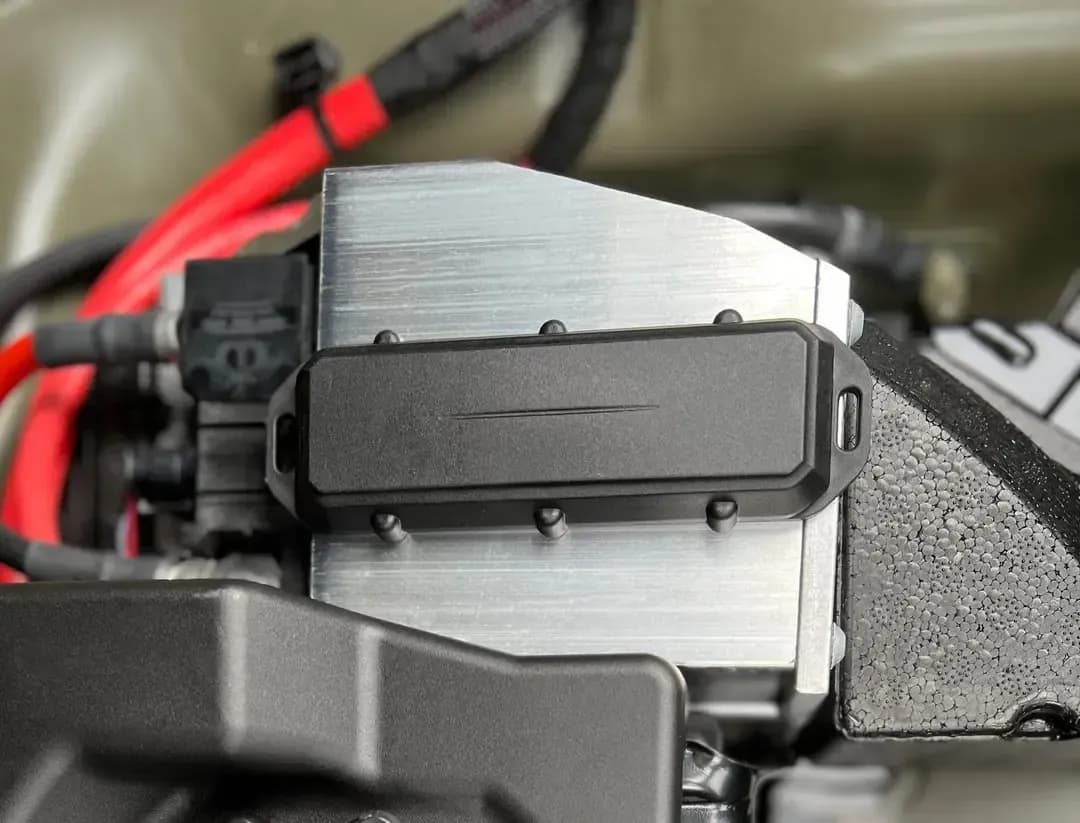
Combine GPS tracking with practical security measures
A GPS tracker should form part of a broader farm security plan rather than replace physical security.
The Washington State Department of Agriculture recommends parking machinery away from public roads where possible, removing keys, locking cab doors, immobilizing unused equipment and storing large machinery in secured buildings or fenced enclosures. It also recommends keeping an up-to-date record of where equipment is located across the farm, but with tracking our software can provide this as a live view.
The NICB provides similar advice for heavy equipment owners, including:
- Avoid leaving equipment unattended in remote areas where possible.
- Install hidden fuel shutoff or ignition-disabling systems.
- Secure smaller equipment behind larger, harder-to-move machinery.
- Photograph each asset and record its identification and serial numbers.
- Mark equipment and components with identifying information.
- Fit an anti-theft tracking device.
- Report theft to local law enforcement and the insurer immediately.
Using several security measures together can make equipment harder to steal while improving the chances of noticing unauthorized activity quickly.
Farm security should also be reviewed regularly, particularly before planting and harvesting when machinery use increases. Check that locks, lighting, gates and tracking devices are working correctly, and update equipment records whenever an asset is purchased, moved or sold.
It is also worth agreeing on a simple response plan with employees. Every team member should know who to contact, which information to give law enforcement and where serial numbers, photographs and insurance details are stored. Preparing these steps in advance can reduce delays and confusion if equipment is found to be missing.
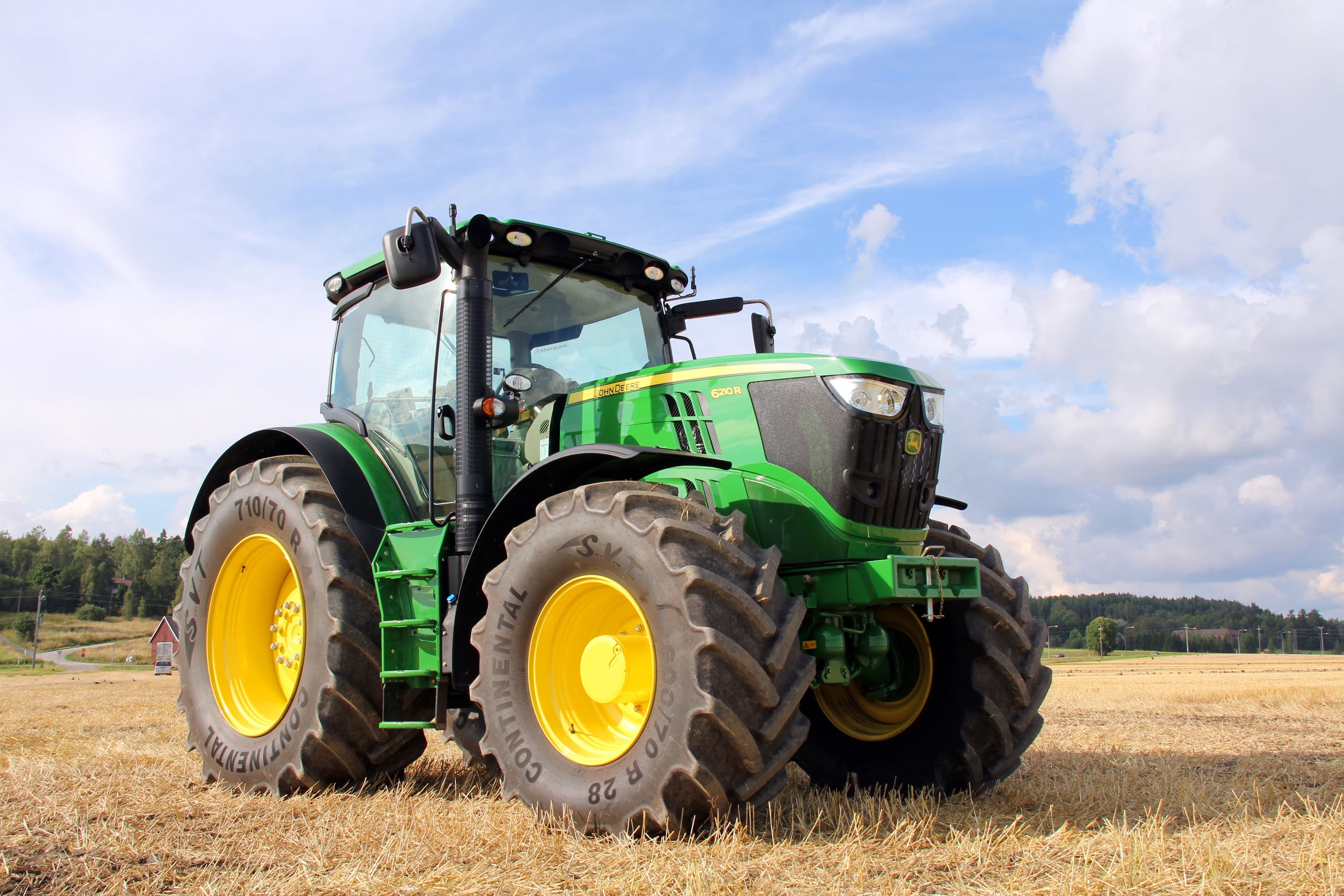
Protect your farm equipment with GPS tracking
GPS tracking can add an extra layer of security by helping farmers monitor tractors, trailers and other valuable equipment.
Geofence and movement alerts can also notify you when tracked machinery moves unexpectedly.
Explore our asset tracking system or contact Radius to discuss the right tracking solution for your operation.