What is DVIR? Driver Vehicle Inspection Report explained
In the U.S., FMCSA requires drivers to complete a daily Driver Vehicle Inspection Report. If you’re wondering what does DVIR stand for, it stands for “Driver Vehicle Inspection Report.” Some also call it a driver vehicle inspector report or drivers vehicle inspector report.
By completing a DVIR, drivers help reduce accidents, breakdowns and other issues. This keeps vehicles in proper working order before and after each trip.
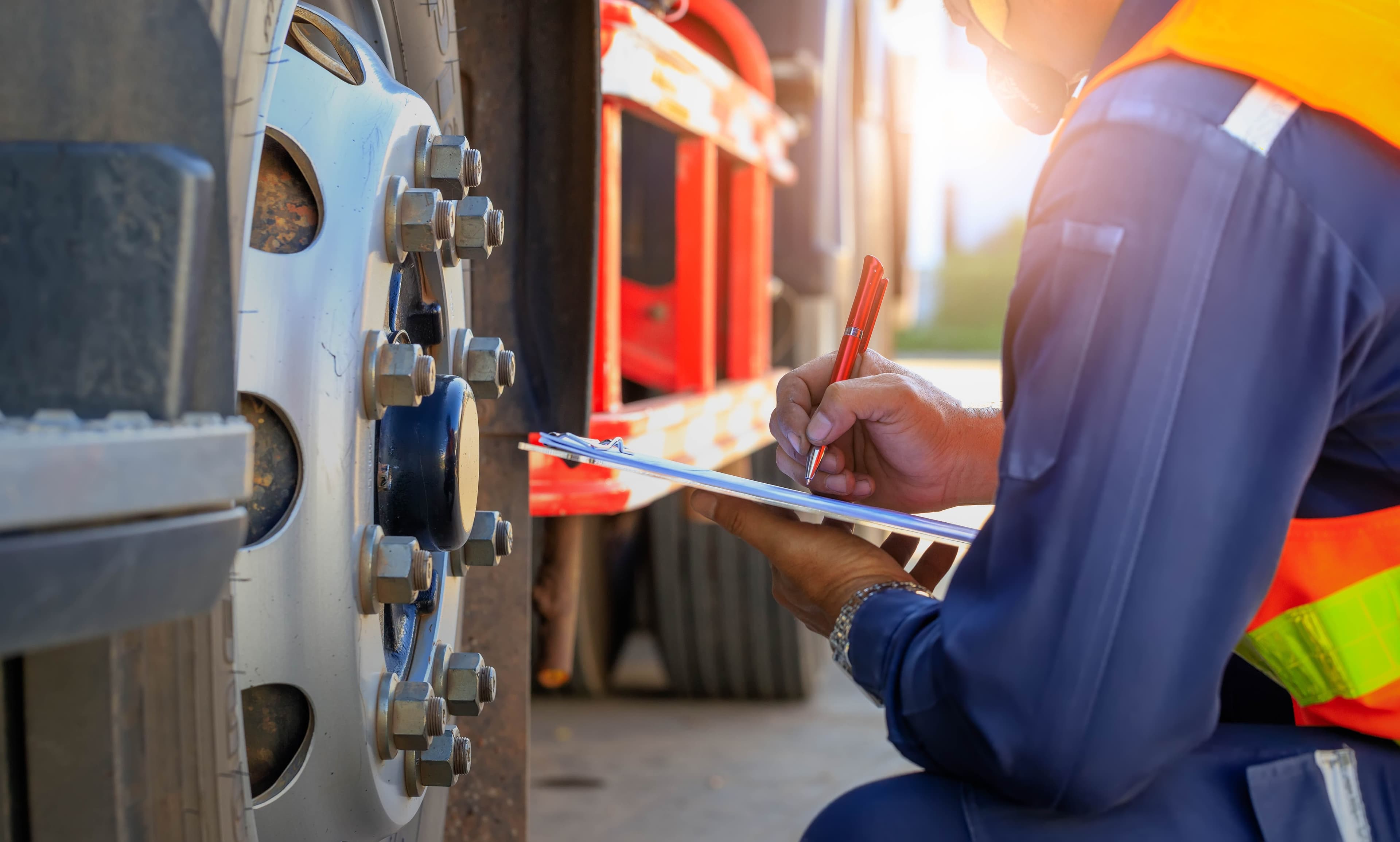
DVIR meaning and purpose
DVIR meaning: It’s a formal record of a vehicle’s condition before and after a route. This DVIR process catches any defects or safety concerns.
- Pre and post trip: Drivers complete a DVIR before starting a shift and after finishing. For clarity, think of it as pre trip and post inspections.
- Safe operation: The goal is to keep vehicles in good shape to reduce crashes, injuries and fatalities.
- Real-time updates: If drivers spot problems on the road, they record them for quick repairs.
What is DVIR in trucking?
These reports help ensure that commercial vehicles operate safely during trucking. Drivers complete them before and after each trip to check for mechanical and safety issues. This step reduces the risk of accidents or breakdowns.
By finalizing the report, truck drivers confirm their vehicles are safe. This minimizes the chance of accidents caused by mechanical failure or safety concerns.
What is the purpose of a DVIR?
A Driver Vehicle Inspection Report ensures commercial vehicles undergo regular checks. It identifies potential safety issues before they grow into significant problems. Drivers report any defects or concerns they find and address them promptly. This helps fleets stay compliant with regulations and manage risks.
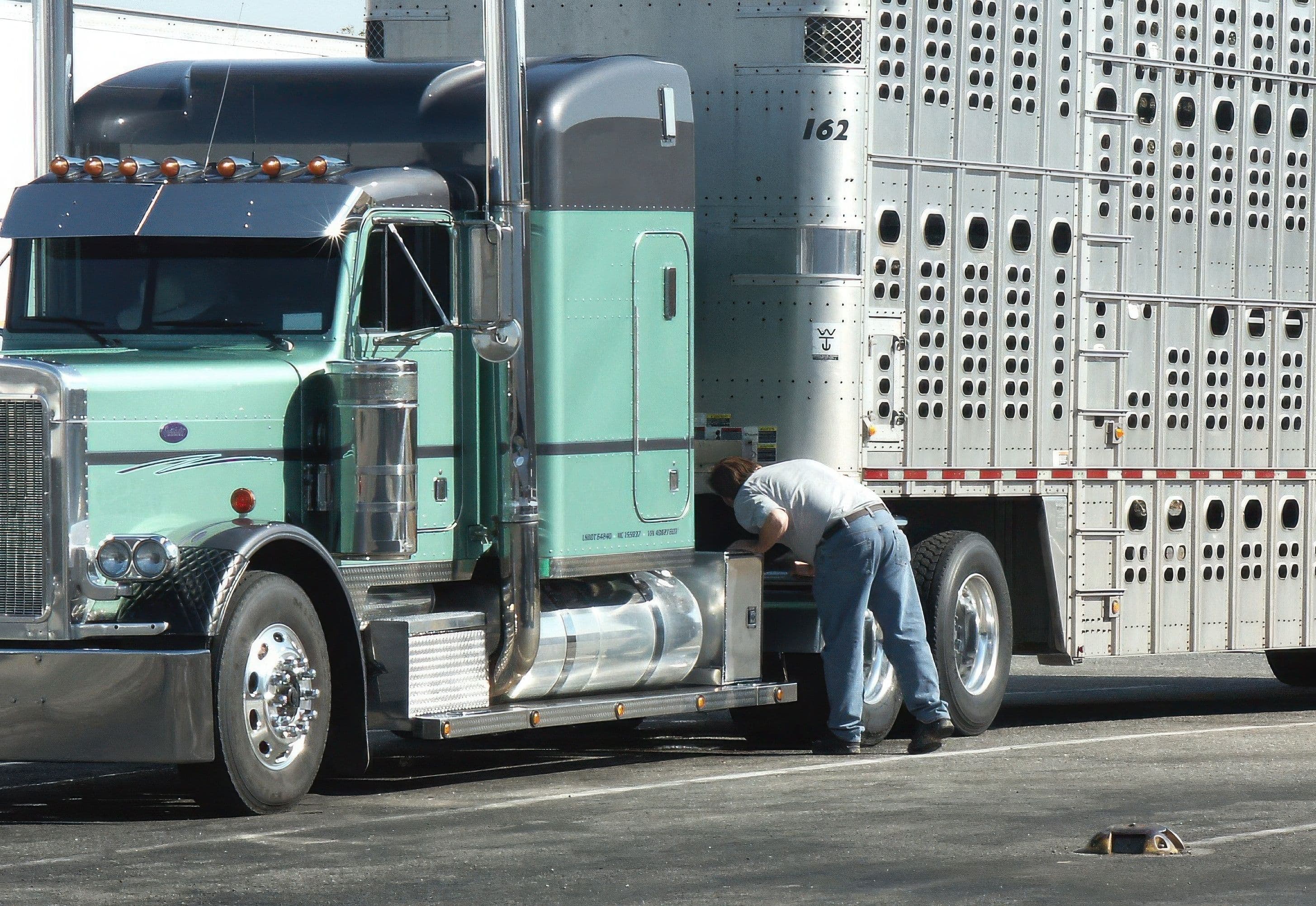
Why a DVIR is required
The FMCSA vehicle inspection rule ensures these checks happen daily. This process helps prevent tire blowouts, faulty brakes, or other defects that can cause severe accidents—especially with 18-wheelers.
For example, if a driver neglects to inspect a truck’s tire, it can blow out, causing the vehicle to swerve. Drivers can help prevent such dangerous events by completing the required inspection and checking all components.
When is a DVIR required?
The FMCSA mandates the daily vehicle inspection report at specific times:
- Pre-trip: Drivers must inspect their vehicle before beginning a shift to ensure it’s in safe working order.
- Post-trip: After completing a trip, drivers must conduct another inspection and report any issues discovered during the journey.
- Defects discovered: If drivers find defects, they must document them and resolve them before using the vehicle again.
What are the FMCSA vehicle inspection report requirements?
The basic requirements for a DVIR are simple but critical for safety. A DVIR must include:
- Vehicle identification: Includes the license plate number, vehicle type and VIN.
- Inspection checklist:
- Brakes and air system
- Coupling equipment and fifth wheels
- Horn
- Lights and reflectors
- Rearview mirrors
- Safety and emergency equipment
- Steering mechanism
- Tires, wheels and rims
- Windshield wipers
- Defects or safety concerns: Drivers must document any issues.
- Driver’s signature: Confirms the inspection is complete.
- Mechanic's confirmation: A mechanic must certify repairs for serious problems.
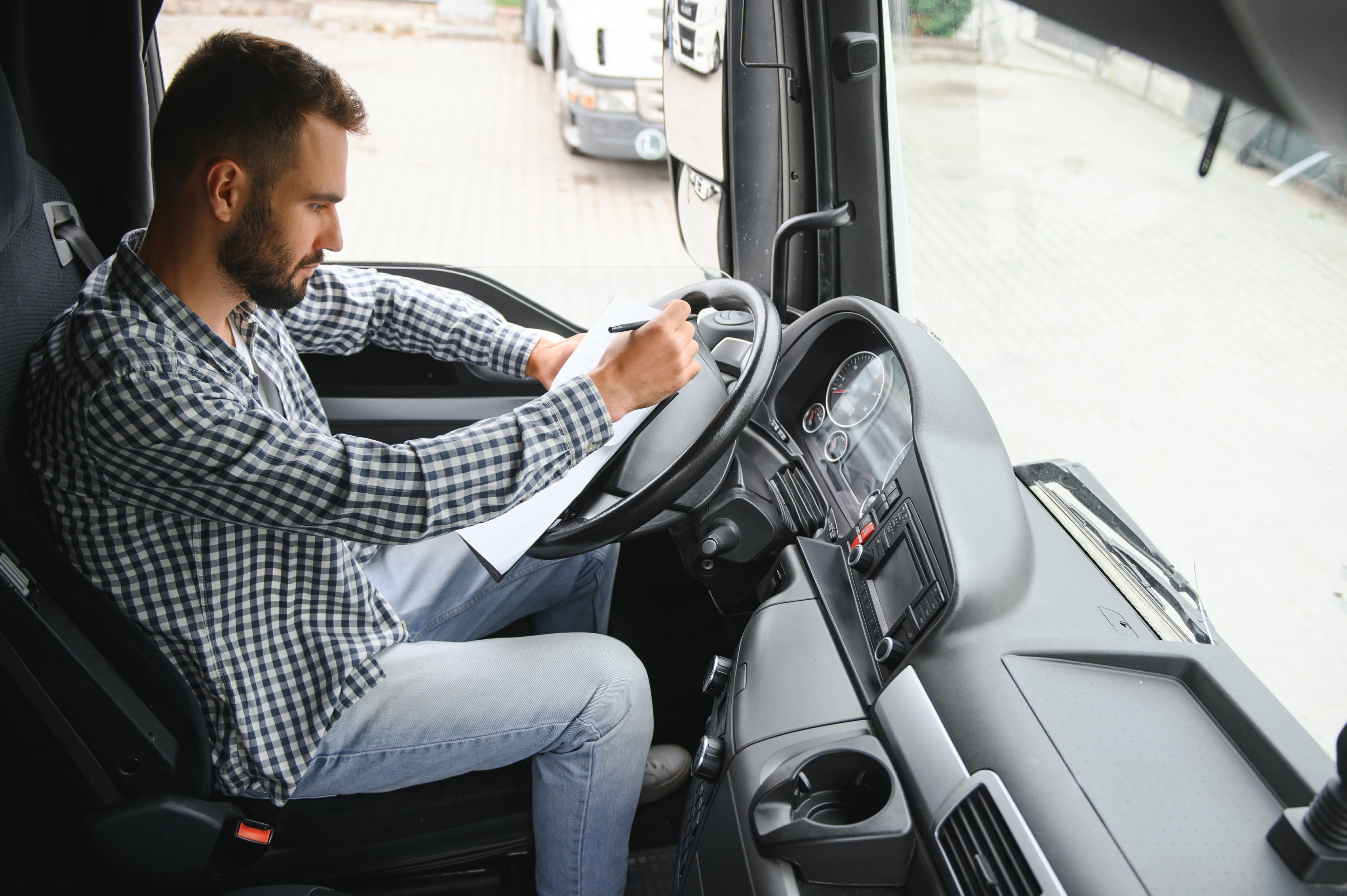
FMCSA guidelines
The FMCSA, part of the DOT, sets these rules so vehicles meet federal standards:
- Inspect daily: Drivers must check vehicles every day.
- Report defects: Drivers must note any safety concerns.
- Corrective action: A mechanic must repair severe issues and sign off on them before the vehicle returns to service.
For more details on related compliance requirements, including Hours of Service regulations, visit our HOS page.
DVIR and FMCSA compliance
Regular inspections help fleets avoid penalties and accidents. Roadside checks verify FMCSA compliance in real time, keeping vehicles and drivers safe. Completing these reports correctly also protects CSA scores by preventing violations.
For more details, you can check out the official FMCSA estimate on safety inspections.
DVIR regulations
The FMCSA (under the Department of Transportation) oversees these reports in the U.S. Two main laws apply:
- 49 CFR §396.11: Drivers must complete a report at the end of each shift, one for each vehicle.
- 49 CFR §396.13: Drivers must review the last report before starting a shift and confirm they corrected any noted defects.
Note: This decision to rescind some requirements does not apply to passenger-carrying vehicles. Operators of these vehicles must still file pre- and post-inspection reports and keep records (§396.3 Inspection, repair and maintenance).
Who is exempt from DVIR regulations?
Not every vehicle must follow these rules. Exemptions include:
- Private passenger vehicles: Non-commercial cars.
- Driveaway-towaway operations: The FMCSA exempts vehicles that drivers move or tow.
- Single-vehicle operators: Companies with only one commercial vehicle do not have to complete this report for that vehicle.
How to complete the inspection
Completing a DVIR process is straightforward and essential for road safety:
- Pre-trip: Inspect the vehicle and note any faults.
- During the trip: Document any mechanical or safety concerns as soon as they appear.
- Post-trip: Inspect again and submit the vehicle inspection report for any new problems.
Many fleets use a form (paper or electronic) to ensure they cover all required details.
Is DVIR mandatory?
DVIRs are mandatory for certain types of commercial vehicles as required by FMCSA regulations.
The DVIR helps ensure vehicles are fit for the road and comply with safety standards. Failure to complete a DVIR correctly could result in penalties for the driver and fleet manager.
What if a driver or company violates the DVIR rules?
Failure to complete the DVIR correctly or neglecting to report issues can result in penalties:
- $1,270 per day for failing to file the report when required
- $12,700 for falsifying a DVIR to hide safety defects
- $15,420 for failing to repair reported safety defects
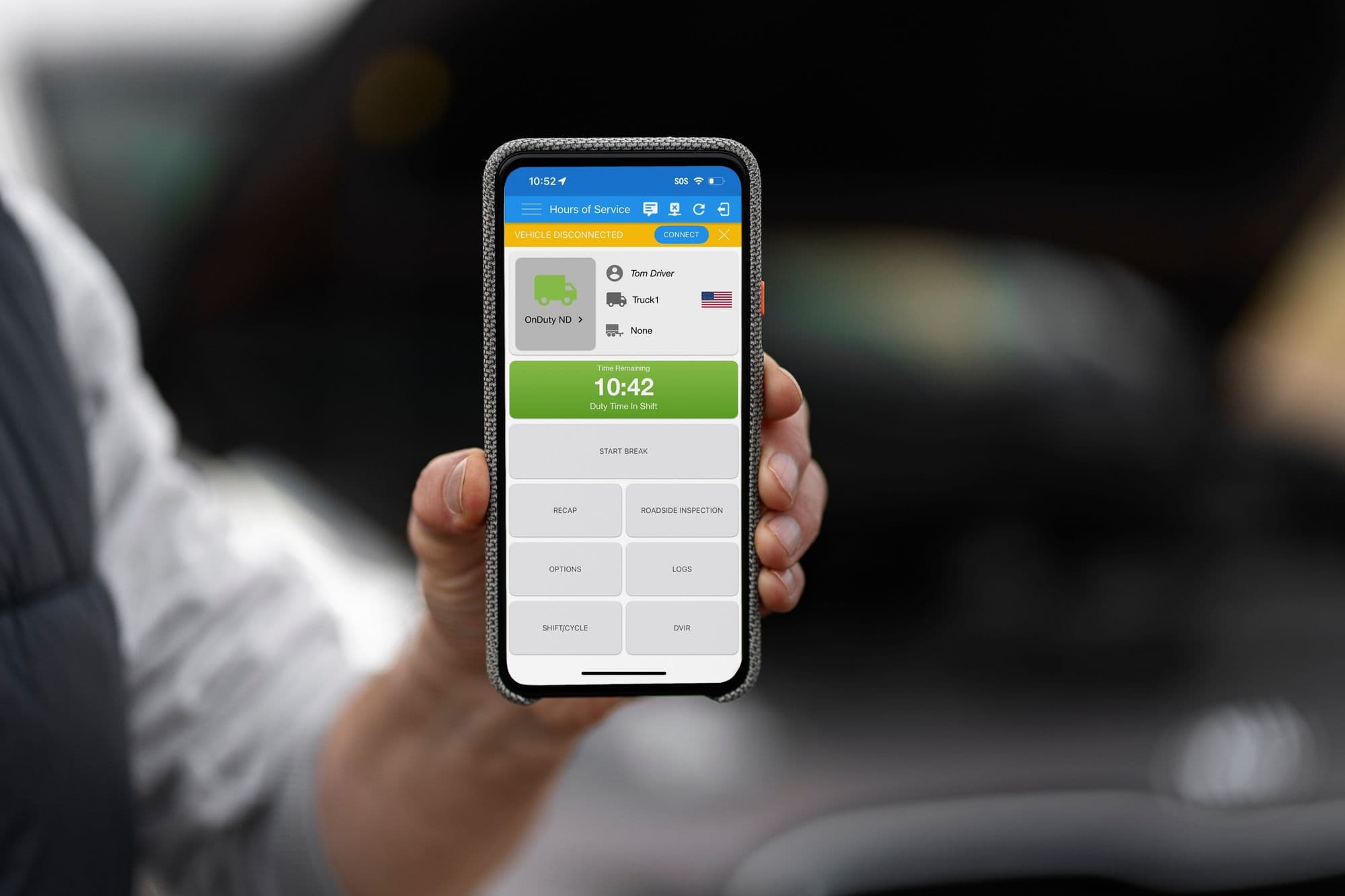
Electronic driver vehicle inspection reports (eDVIRs)
An electronic DVIR app or electronic logging device (ELD) can streamline the inspection checklist. With eDVIRs, drivers log defects on smartphones or tablets. This boosts efficiency and provides real-time data for managers.
FMCSA supports electronic systems and more states are adopting them. eDVIRs store past inspections, highlight critical defects and simplify compliance.
ELD solutions
Automating DVIRs with the RadiusELD app
Our Radius ELD mobile app helps fleets automate DVIRs, including critical features:
- Instant DVIR start: Open the app and select “DVIR” on the dashboard.
- Pre-set defect list: Expedite the inspection by selecting issues from a curated list of common defects.
- Critical defect alerts: The system immediately flags urgent problems.
- Remote monitoring: Fleet managers get alerts within 30 minutes of a reported defect.
For more details about our DVIR solution, visit the RadiusELD platform.
Download the app:
DVIR vs. daily vehicle inspection report
Many use the term “daily vehicle inspection report” to mean the same thing as DVIR.
However, the FMCSA uses the specific term DVIR. It requires a detailed inspection process before and after a driver’s shift to ensure trucks meet DOT standards.
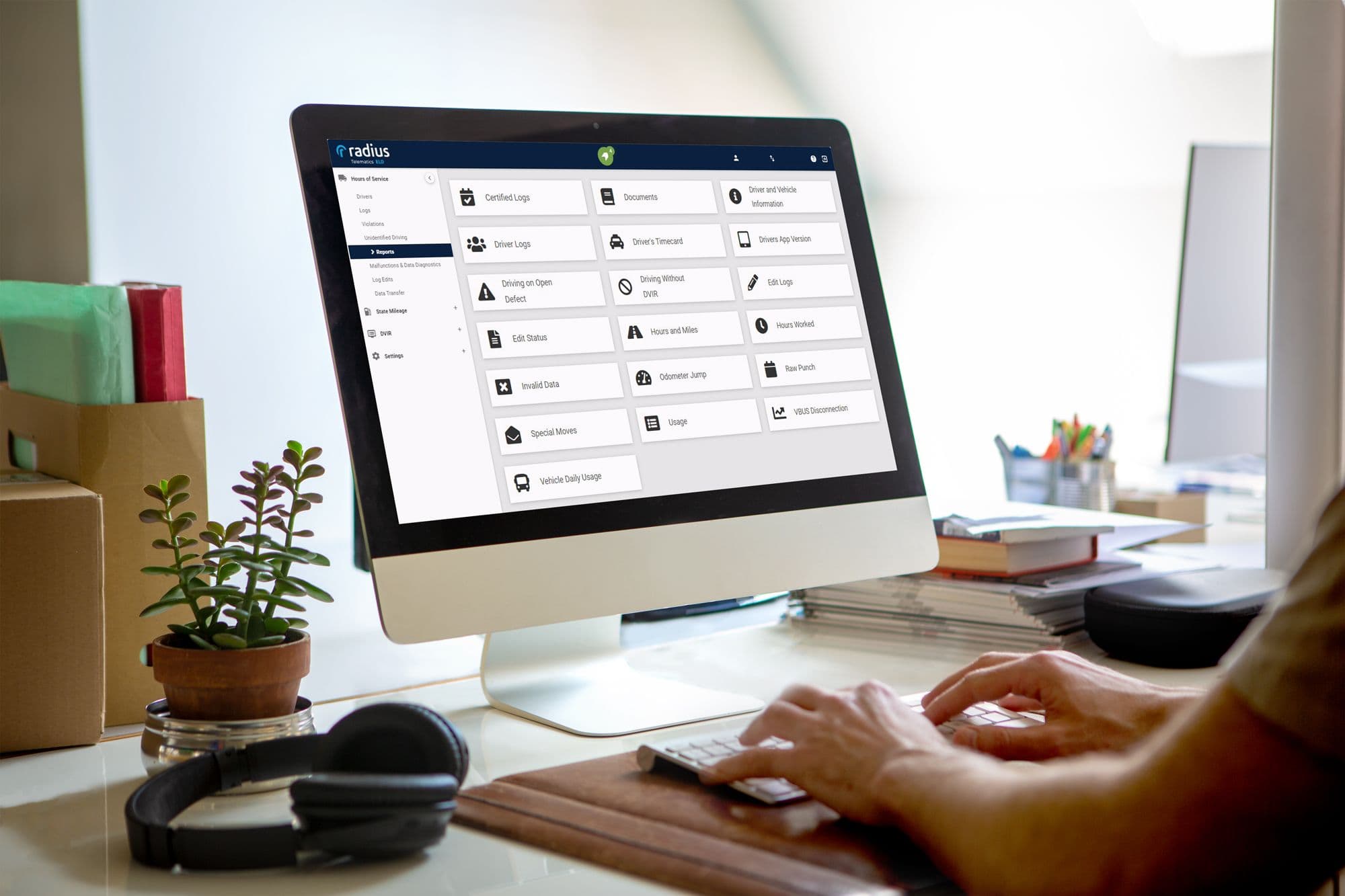
The Radius ELD system provides access to essential features that allow seamless integration with your fleet management system. Find out more about our ELD software and devices.
Frequently asked questions
Can’t find an answer to your question? Talk to the Radius customer support team at 888-278-9781. We’re here to help you with any questions or concerns.