The ‘Big Switch Off’ and what it means for you and your business
With PSTN and ISDN services ending in 2027, now is the time for businesses to plan their move to digital communications.

It has been confirmed that all analogue and Integrated Services Digital Network (ISDN) services will be shut down on January 31st, 2027. To safeguard their services, we’re encouraging all businesses to start migrating away from these networks now.
What is the 'Big Switch Off'?
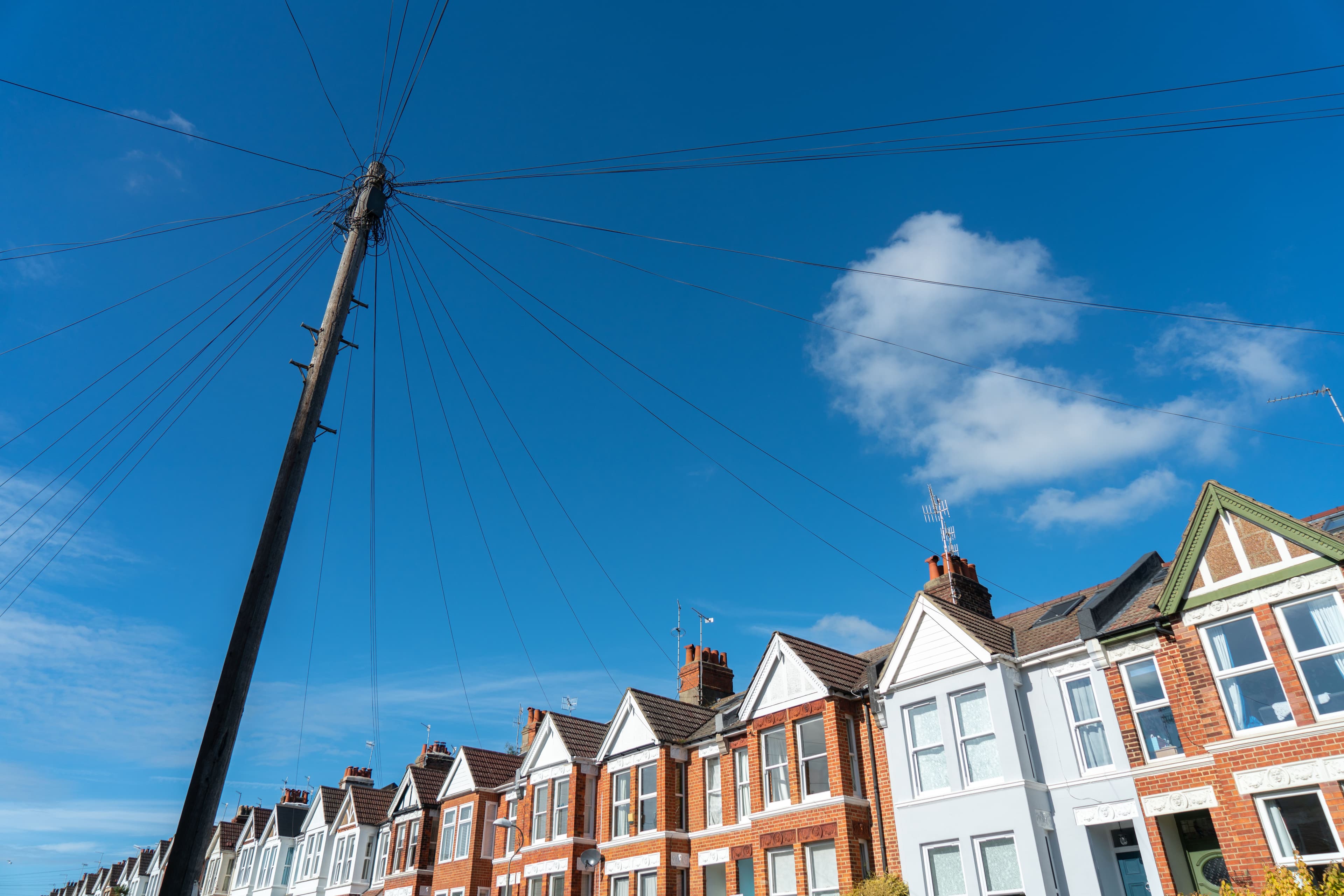
The ‘Big Switch Off’ refers to the UK’s transition from analogue, legacy platforms also called Public Switched Telephone Network (PSTN) to a fully digital network relying on IP (Internet Protocol) technology. Alongside this, Integrated Services Digital Network (ISDN), also used to deliver telephone services, will be switched off. All landline services will be upgraded to new digital technology relying on internet connection such as Voice over Internet Protocol (VoIP), Digital Voice or All-IP technology.
Why is the old network being replaced?
Analogue systems have been operating for decades and are now reaching their end of life. With suppliers no longer manufacturing all parts necessary to maintain or repair connections, analogue networks have become increasingly difficult to maintain.
With new digital phone lines, communication providers such as Vodafone and O2 will be able to offer businesses like yours clearer, higher-quality phone calls.

Why you need to start migrating now
We’re urging all businesses to start migrating now as the transition may take longer depending on your business. Please remember, the switch-off isn’t just calls. It relates to everything connected to your phone lines such as door entry systems, alarms or fax systems.
Avoid disruption to your business
The exact process of transition for your business will depend on your communications provider and the equipment they rely on. However, to ensure a smooth transition with limited to no disruption, we recommend you follow the below steps:
1. Assign a leadership group responsible for driving the migration, both from an organisational and technological perspective.
2. Maintain clear communication across your organisation throughout the migration period
3. Identify potential benefits from the migration and how they can align with your short and long-term strategic goals.


4. Identify potential challenges your business could face, who it will impact and how to minimise disruption. For example, if your business has devices connected to the phone line, you need to ensure they will function following the migration; some devices may require an upgrade to ensure compatibility with digital systems.
5. If you’re unsure about the compatibility of any device with digital phone lines, we recommend you contact suppliers or device manufacturers early in your transition.
6. Develop a migration roadmap and communicate this to your business.
7. Nominate a communications provider to oversee your transition.
Register your interest

Looking for smarter telecoms solutions?
From business mobiles to cloud communications, connectivity, and IT & security, we provide flexible solutions that keep your business connected and secure.