
Here is what cross-border fleet operators need to know
If your fleet operates vehicles of 2.5 tonnes or more across European borders, two significant changes are converging in 2026 that you need to be aware of and act on before they create compliance risk or operational disruption for your business.
The regulatory change
EU tachograph legislation is being updated to extend smart tachograph requirements across a wider range of cross-border operations. Smart tachographs which use GPS and DSRC technology to record driver activity more accurately and securely, are already mandatory for new vehicles entering cross-border service.
From 2026, the requirement extends further, meaning more vehicles will need to ensure their devices are compliant with the updated standard. For operators who have not reviewed their tachograph setup recently, this is the moment to do so. Non-compliance is not just a paperwork issue. It can lead to:
- Fines and penalties
- Delays at roadside checks or borders
- Increased scrutiny from regulators


The network change
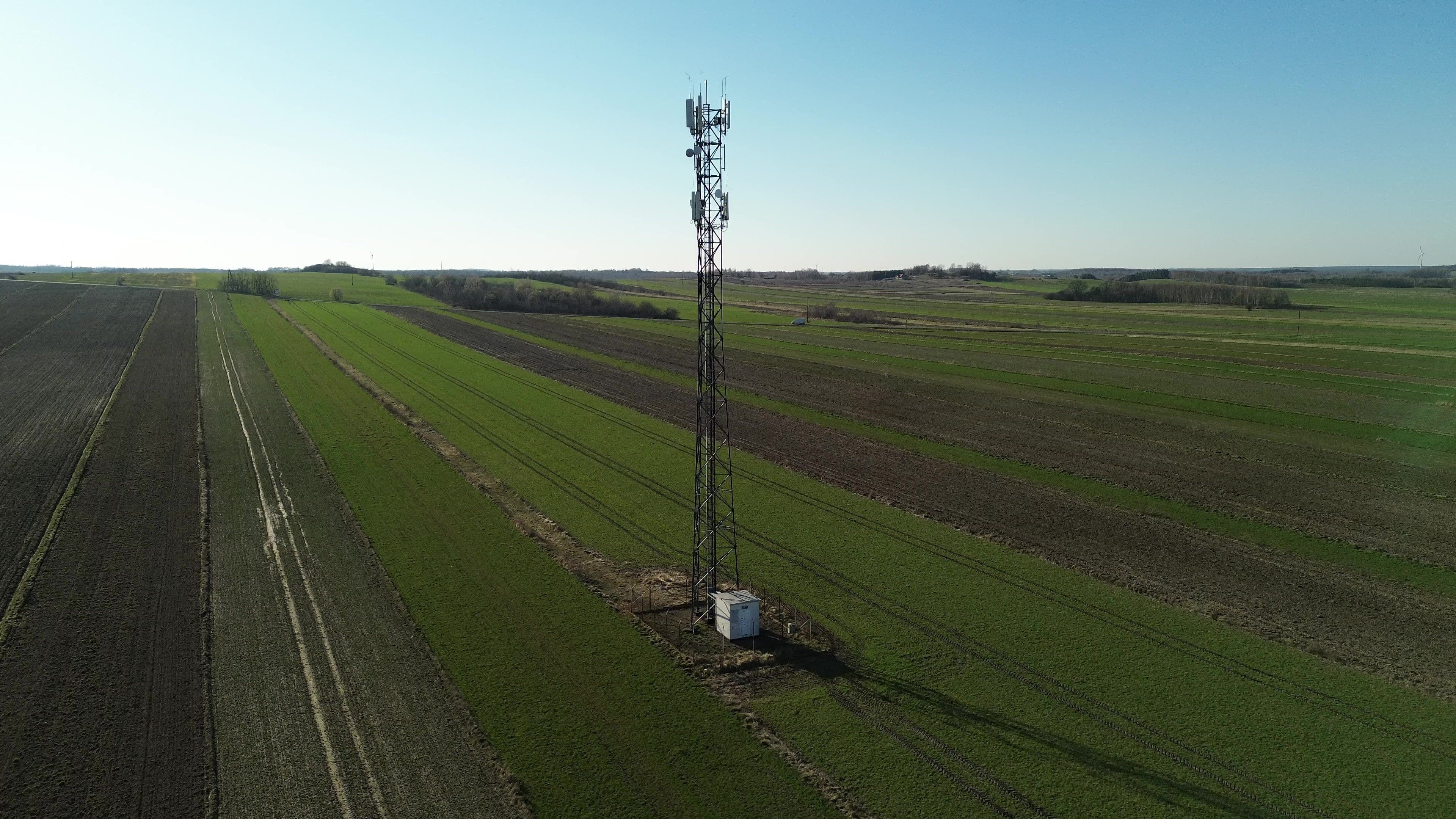
Running in parallel is the 2G network switch-off that is sweeping across Europe. Mobile network operators are permanently decommissioning 2G networks, and tachograph devices that rely on 2G connectivity to transmit data remotely will lose that capability entirely once the network is switched off in their operating region.
A device that works in one country today may stop working entirely when a vehicle crosses into a region where 2G has already been switched off. That means loss of visibility, loss of data, and potential compliance gaps.
Why this matters now
These two changes are happening in parallel:
- Expanding regulation means more vehicles must be compliant
- Network shutdown means older devices may stop working
Acting now ensures installations can be scheduled at a time that suits your operation rather than driven by urgency and deadlines. Drivers can be briefed and trained without time pressure. Your compliance position is confirmed and documented well before any inspection or border crossing puts it to the test.
Emergency upgrades are harder to schedule, more disruptive to operations, and more expensive. The certainty that comes with a planned transition is worth considerably more than the short-term convenience of deferring.
Are you affected?
You will be impacted if:
- You operate vehicles over 2.5 tonnes
- Your vehicles cross European borders (even occasionally)
- Your devices are more than 3 years old or rely on 2G connectivity

Our team is ready to support
Navigating new EU regulations can be complex, but you don’t have to do it alone. Our experts are here to answer your questions and ensure your fleet remains fully compliant, today and in the years ahead.
What you should do next
Review your current tachograph devices
Confirm which network your SIMs are on and whether your devices meet the 2026 compliance standard. If they do not, plan your upgrade in advance rather than reacting to a compliance deadline or a connectivity failure.
Get 4G ready
A managed upgrade to a 4G compliant integrated tracking and tachograph device addresses both challenges in a single installation visit.
Let Radius help
We’re here to take the hassle out of staying compliant and connected. Our team will confirm whether your fleet is affected, which devices need upgrading, and what a managed transition looks like for your operation.
Request a call back