- Home
- EV charging
- Government grants for EV
Unlock government grants for EV & energy upgrades in Ireland
A complete guide for Irish business to available grants, tax incentives and supports for electric vehicle adoption - including the 2026 eSPSV Scheme and all SEAI programmes.
Grant schemes at a glance
Ireland offers several well-funded programmes to help businesses transition to cleaner vehicles and more energy-efficient operations. Here are the key schemes relevant to your business right now.
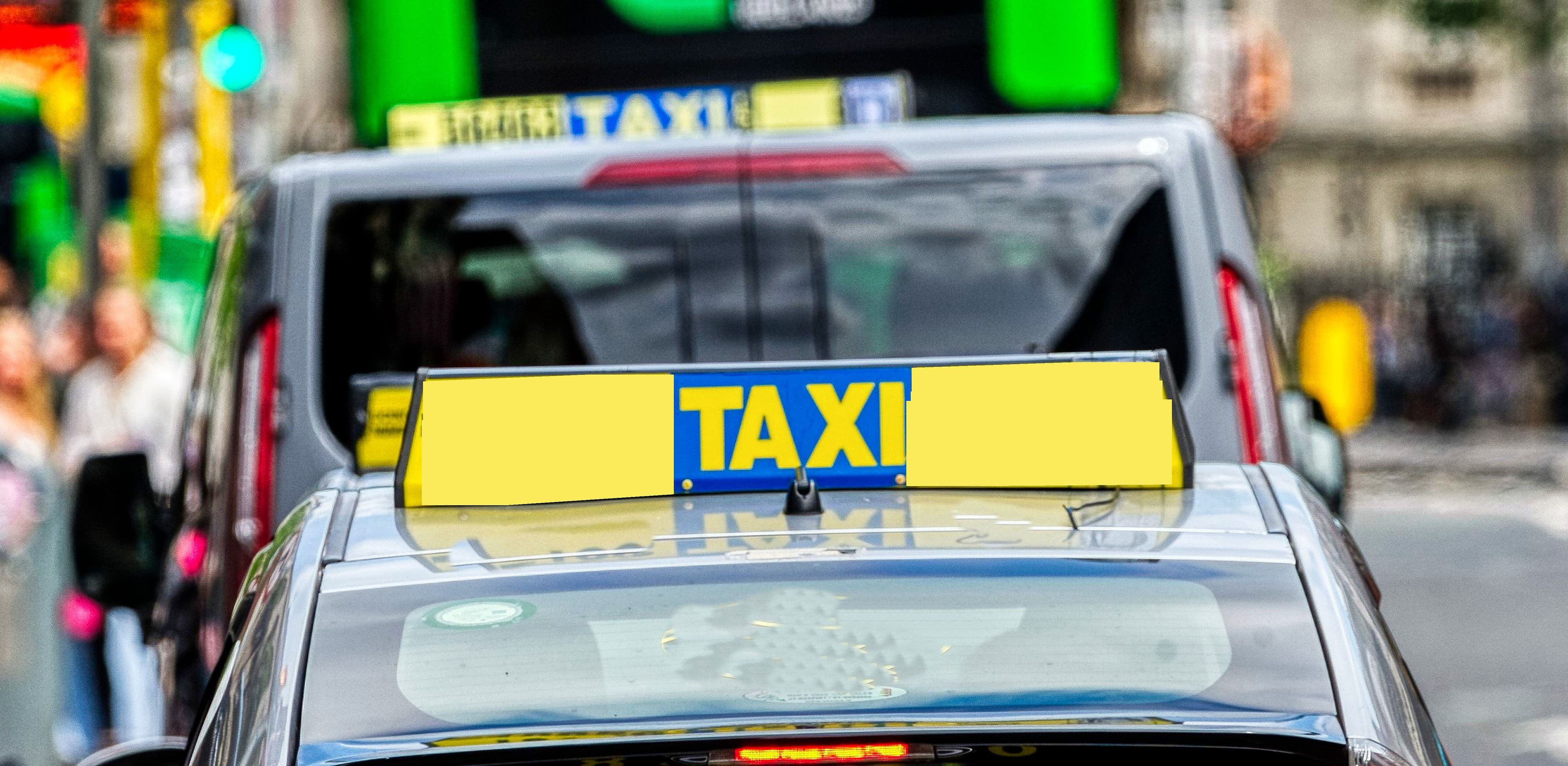
Electric SPSV Grant Scheme 2026
€7M fund — Open now
The NTA's 2026 scheme supports taxi, hackney, and limousine operators to purchase electric vehicles. Funded by the Department of Transport and administered by the NTA. Applications opened on 25 February 2026, with limited funding; early applications are strongly advised.
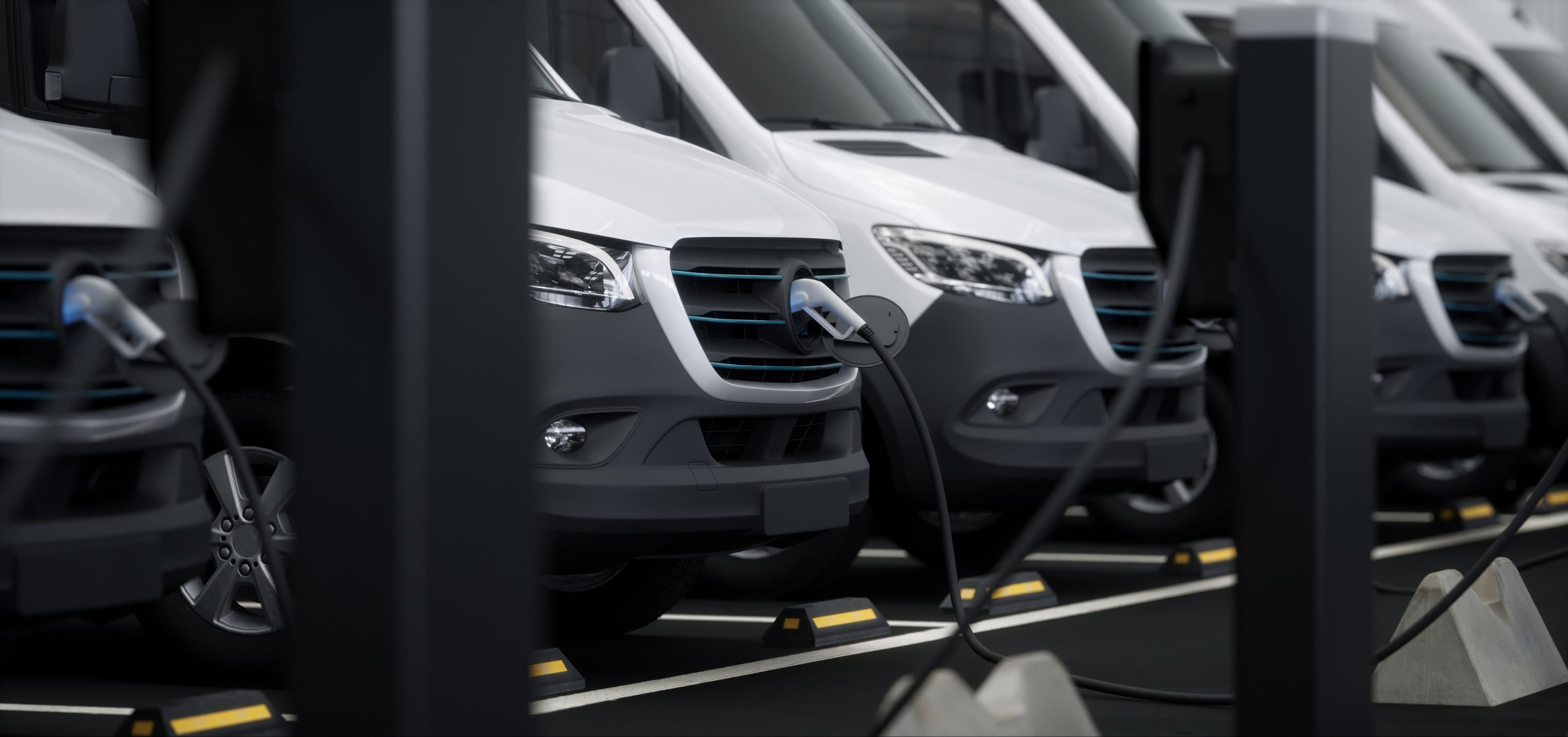
EV Fleet Assessment Grant
Up to €8,000
Not sure what to start? SEAI's Fleet Assessment Grant funds a professional review of your existing fleet, identifying which vehicles suit electrification, infrastructure requirements, and projected savings. Open to SMEs, large businesses and semi-state organisations.
Electric Vehicle Purchase Grant
Up to €7,600
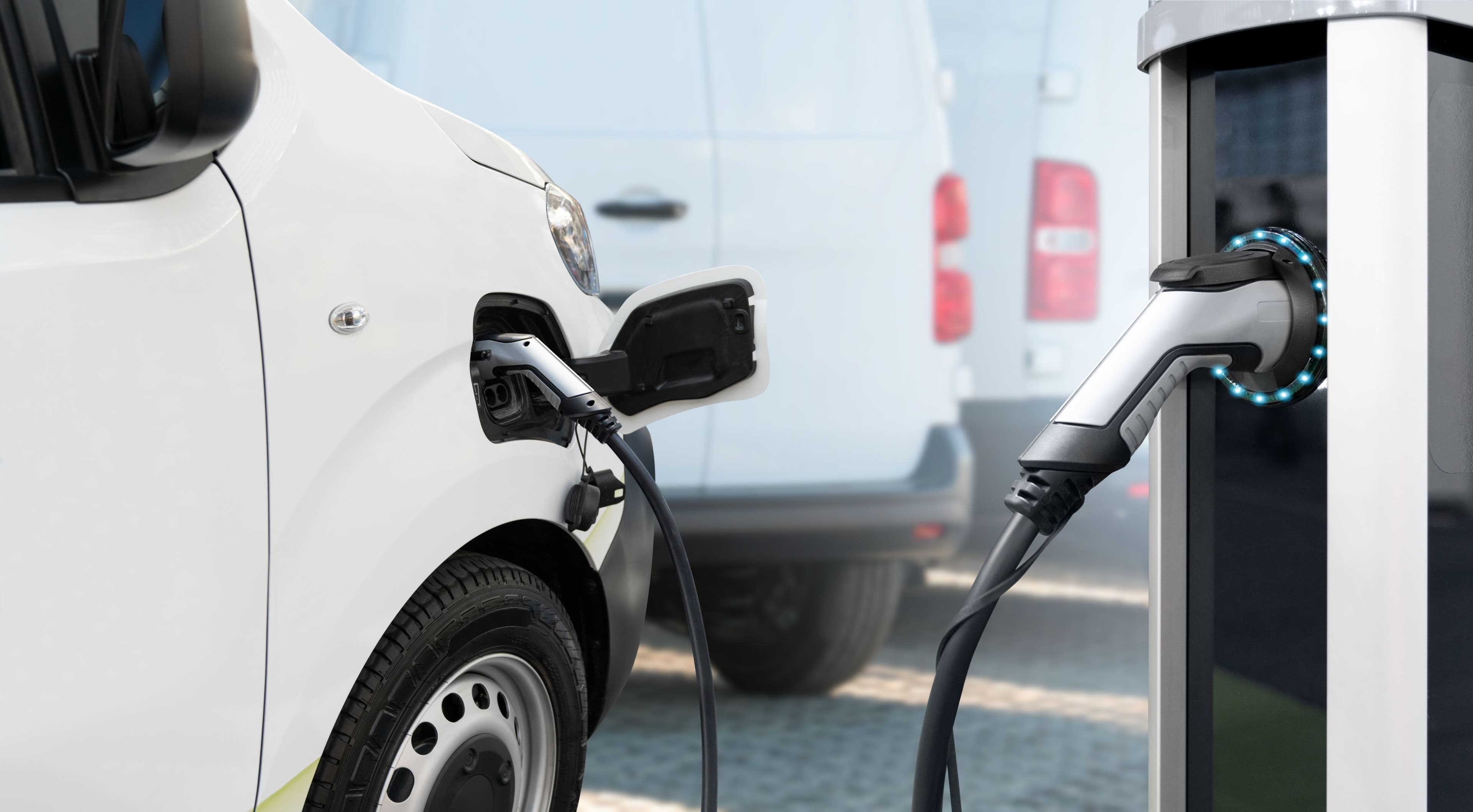
SEAI provides direct funding to support the purchase of eligible N1 electric vans, thereby lowering businesses' initial investment. The level of support depends on the size of the vehicle, with different grant values available for smaller and larger vans.

Accelerated Capital Allowance (ACA)
100% Write-off in year 1
The Accelerated Capital Allowance lets businesses claim the full cost of eligible EV investments in year one, improving cash flow compared to standard depreciation. Businesses can claim ACA relief up to €24,000 per vehicle, with the allowance also covering the installation of EV chargers.

Motor tax & VRT reliefs
€120 / year motor tax
BEVs have zero tailpipe CO? emissions, placing them on the lowest motor tax band at just €120 per annum. Electric vehicles also benefit from VRT (Vehicle Registration Tax) relief, typically reflected in the dealer price at point of sale.

Benefit-in-Kind (Bik) tax relief
0% BiK rate on BEVs
BEVs provided as company cars attract a 0% BiK rate on the first €35,000 of the vehicle's value, with no mileage conditions. A significant annual saving for employer and employee alike. Note: PHEV's do not qualify as they still consume fossil fuels.
Who can apply?
Most SEAI and NTA schemes are open to a wide range of businesses registered and operating in Ireland. As criteria can change, it’s worth reviewing the latest scheme details before starting your application.
| Business Type | SEAI EV Grant | Fleet Assessment | eSPSV26 | ACA / BiK |
| SMEs (all sectors) | Yes | Yes | No | Yes |
| Large corporations | Yes | Yes | No | Yes |
| Taxi / Hackney operators | Yes | No | Yes | Yes |
| Limousine operators | Yes | No | Yes | Yes |
| Public sector bodies | Yes | Yes | No | Seek advice |
| Semi-state organisations | Yes | Yes | No | Yes |
How to apply — Step by step
SEAI business EV & fleet grants
1. Start by confirming eligibility
Visit seai.ie and confirm your vehicle or project meets the qualifying criteria. New BEVs must have a list price of at least €14,000.
2. Choose the right vehicle for your business
Use SEAI's online comparison tool to identify approved N1 or M1 category EV models before committing to a purchase.
3. Complete your application online
Submit your application through SEAI's online grants portal. For fleet assessments, include a fleet inventory and brief business case.
4. Secure approval before committing
Once reviewed, SEAI will confirm whether your application has been approved. Approval must be obtained before you proceed with any vehicle purchase or supplier agreement.
5. Claim your grant
Once the vehicle is purchased, you’ll need to provide documentation confirming the transaction and registration. Funding is typically paid directly to your business, or applied at source depending on how the purchase is structured.
eSPSV26 — NTA taxi & hackney scheme
1. Confirm your SPSV license is valid
This scheme is designed specifically for taxi, hackney and limousine operators who hold a valid, active NTA vehicle licence.
2. Prepare your documentation
Gather your SPSV vehicle licence, driver licence details, and information about the EV you intend to purchase.
3. Apply online — First come, first served
Submit exclusively through the NTA's online SPSV forms and guides portal. The scheme opened 25 February 2026 and runs until the €7M fund is full allocated.
4. Act promptly
Demand is expected to be high. With a finite fund, early applications are strongly recommended. Do not delay your submission.
Maximising your grant support
Combine multiple supports
SEAI's EV purchase grants, the Accelerated Capital Allowance, and BiK relief can all be used together. Combining them can substantially reduce both upfront costs and your ongoing tax position
Start with a fleet assessment
If you run multiple vehicles, use SEAI's €8,000 fleet assessment grant first. A professional assessment identifies the easiest wins and builds a strong business case for further investment.
Confirm eligibility before purchase
Not every EV qualifies. Use SEAI's vehicle comparison tool before committing — your chosen model must be on the approved list and exceed the €14,000 minimum price threshold.
Plan charging infrastructure
Workplace charging grants and ACA relief also apply to charger installation. Budget for charging infrastructure alongside vehicles to take full advantage of available supports.
Apply early for grants
Completive schemes like eSPSV26 are first come, first served. Monitor NTA and SEAI websites and apply as early as possible when annual rounds open.
Get tax advice before you buy
BiK and ACA relief interact with your wider tax position. A conversation with your accountant before purchase ensures you structure ownership to maximise allowances.
Ready to transition your fleet to electric?
Radius works with Irish businesses of all sizes to navigate EV grant applications, optimise fleet strategy, and reduce fuel and operating costs.