
Fuel is one of the largest and most unpredictable costs for UK fleets. Price volatility, rising admin requirements and increasingly complex vehicle mixes all add pressure to operations teams and finance leaders alike. The good news is that modern fuel management practices can turn fuel from a variable headache into a controlled, measurable line item.
By centralising spend, improving visibility and using data more effectively, businesses can reduce costs, improve forecasting and limit the operational drag fuel management often creates.
Why fuel visibility matters
The fastest route to fuel savings is not limited to pump price alone. Clear visibility over every litre, receipt and transaction plays a bigger role in long term cost control.
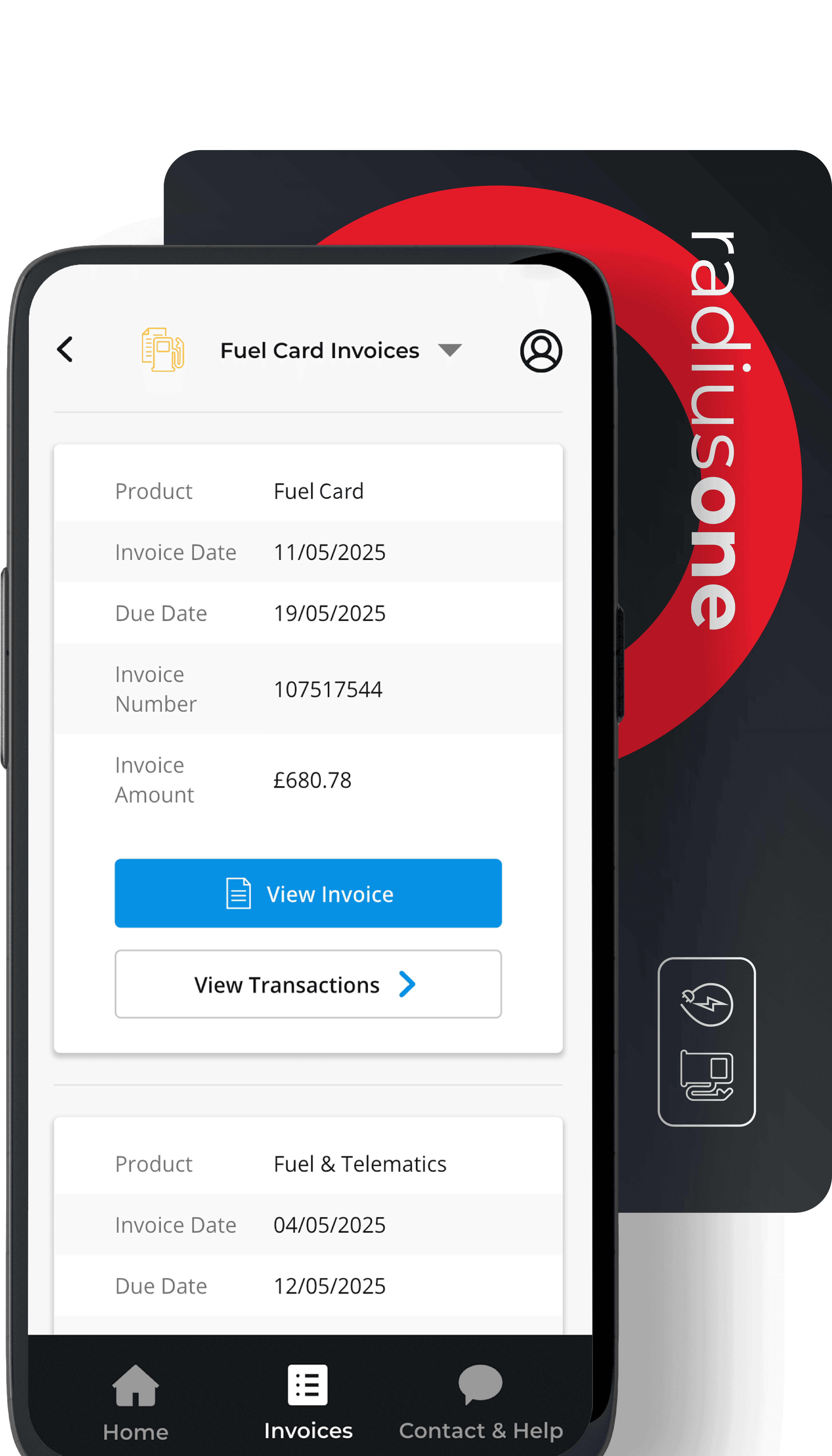
When fuel purchases are centralised into a single account, fleet managers can see usage patterns across vehicles and drivers, apply spend limits and generate reports that support better decision making. This visibility also removes the need to process large volumes of paper receipts.
HMRC-compliant digital invoicing significantly reduces the hours spent on admin and helps cut down errors during VAT returns. Fewer manual steps mean fewer mistakes, especially for growing or geographically dispersed fleets.
Platforms such as Radius Velocity bring these elements together, providing a single place to monitor spend, access invoices, manage cards and identify trends that require action.

Making fuel pricing more predictable
Fuel price swings can quickly disrupt budgets, particularly when forecourt prices change several times in a week. One way fleets are reducing this uncertainty is by using fuel cards with fixed weekly pricing.
A fixed weekly rate locks in a single price for seven days, making cash flow and forecasting more predictable even when market prices move mid week. In many cases, fuel cards also provide access to lower rates than standard pump prices, alongside discounted related products such as AdBlue.
Used well, this approach transforms fuel from an uncontrollable variable into a cost that finance teams can plan around with confidence.
Managing mixed fleets with one solution
As more fleets operate a mix of petrol, diesel and electric vehicles, managing fuel and charging separately can add unnecessary complexity.
Solutions such as the Radius One card are designed for this reality, combining refuelling and EV charging under one account. Drivers gain access to the UK Fuels network of more than 4,600 fuel stations, alongside an EV charging network of over 48,000 charge points.
For operators, this means one card, one invoice and consistent spend controls across both fuel types. Fixed charging rate options can also add predictability where it matters most, particularly as fleets scale up electrification.

Turning data into savings
Fuel data becomes significantly more powerful when combined with vehicle tracking. Together, they allow businesses to monitor fuel efficiency by vehicle, identify harsh driving events such as rapid acceleration or sharp braking, and coach drivers where it will have the greatest impact.
Because every transaction is automatically recorded, unusual spend or inefficient behaviour stands out quickly. Managers can set spend controls by card or driver and focus on reducing cost per mile without the need to micromanage daily journeys.
Targeting the heaviest fuel users first often delivers the fastest returns, with improvements measurable within weeks.
Planning refuelling as part of the route
Unplanned refuelling is a hidden drain on both time and fuel. Detours, congestion and last-minute stops all add unnecessary cost.
Tools such as Radius e‑route integrate refuelling into route planning, helping drivers stop at stations along efficient routes rather than making avoidable diversions. This approach not only reduces fuel usage but also helps keep schedules tight, limits bottlenecks and keeps vehicles focused on productive work rather than refuelling delays.
For fleets operating across borders, having route and refuelling support in one app simplifies driver experience and reduces back office complexity. With support for UK and European operations, plus optional services like toll tags, finance teams can reconcile spend across jurisdictions through a single account.
Supporting sustainability goals alongside savings
Cost efficiency and emissions reduction increasingly go hand in hand. Access to alternative fuels such as HVO is expanding across fuel card networks, offering a drop-in diesel alternative that can significantly reduce lifecycle CO₂ without vehicle modifications.
Usage data within fuel management platforms helps identify which routes or vehicles are best suited to alternative fuels or targeted efficiency coaching. This allows businesses to prioritise changes that deliver the greatest combined impact on cost and emissions.
For fleets gradually electrifying shorter routes, combining fuel and charging under one system simplifies the transition and avoids parallel processes.
Reducing admin and improving control
Effective fuel management is as much about administration as it is about price. Consolidated, HMRC-compliant invoicing reduces manual processing, while online card management allows cards to be cancelled, reordered or issued to new drivers without delay.
Security features such as PIN protection, spend limits and automated alerts help protect against misuse and flag suspicious activity early. Together, these controls reduce risk while improving operational speed.

Four practical steps fleets can take this quarter
- Stabilise fuel spend by moving to fixed weekly pricing
- Plan refuelling within routes to reduce detours and wasted fuel
- Use tracking insights to coach high consumption drivers first, then measure changes in cost per mile
- Simplify mixed fleet management by combining fuel and EV charging under one card and invoice
A more controlled approach to fuel
With the right tools and practices, fuel no longer needs to slow your fleet down. Better visibility, smarter planning and data-led decisions create measurable improvements in both cost and efficiency.
By combining oversight through platforms like Velocity, smarter routing with e‑route, flexible pricing and unified cards for mixed fleets, UK businesses can move toward a planned, measured and optimised fuel operation, one that supports growth rather than holding it back.
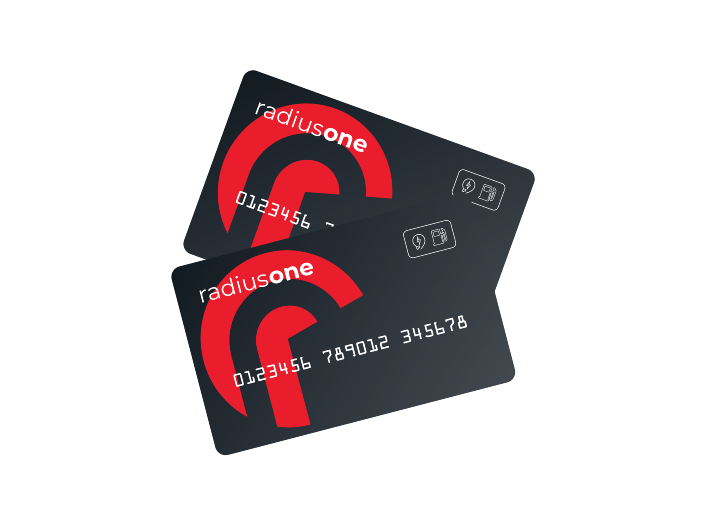
Reduce fleet admin with Radius One
Take control of fleet admin with a Radius One fuel card. Centralise fuel management, cut paperwork, gain real‑time visibility and save valuable time across your entire fleet operation.