What is Euro 7 and when does it start?
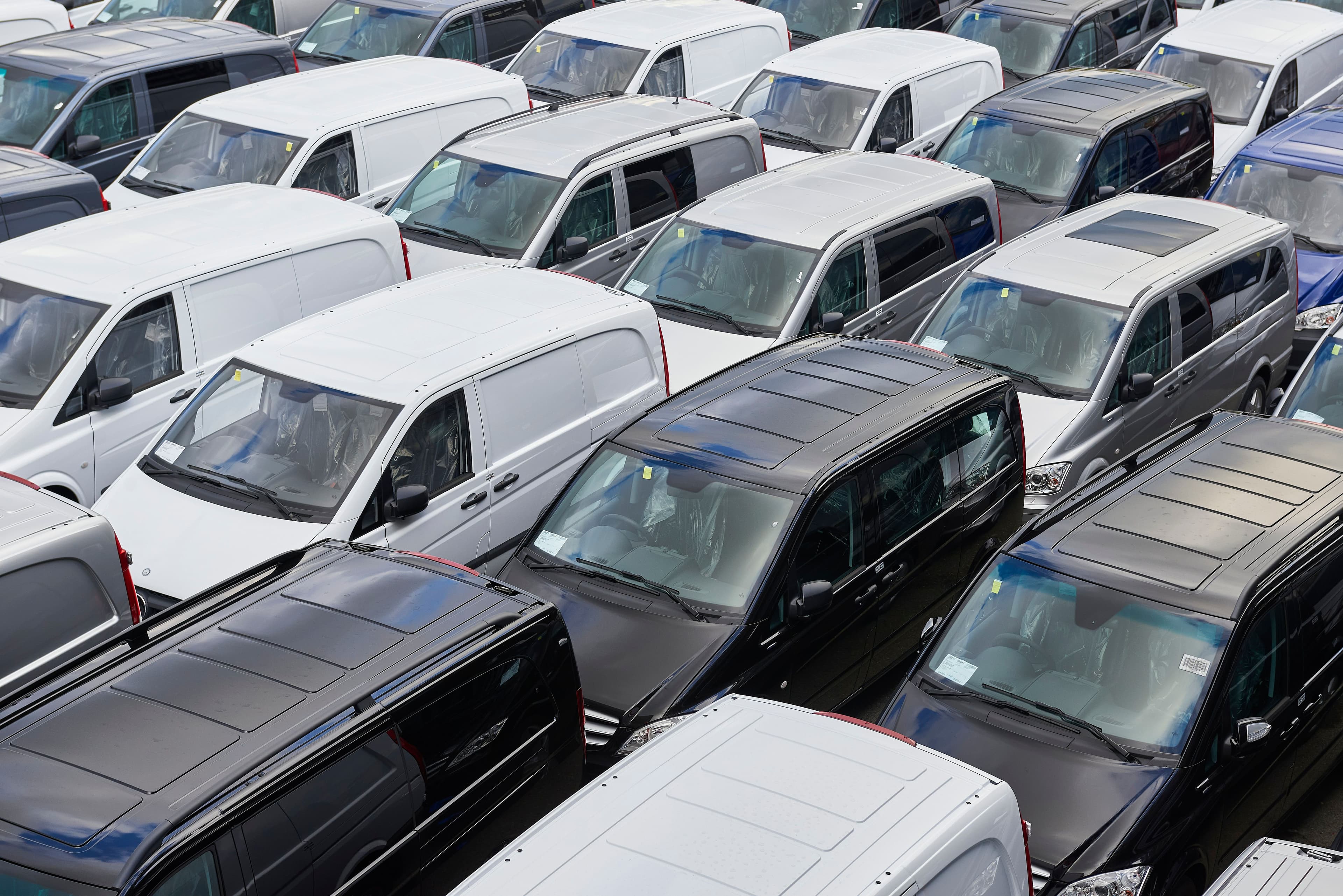
The compliance deadlines affecting vehicle procurement are soon coming into effect. From 29 November 2026, new van models sold in the EU will need to meet Euro 7, formally Regulation (EU) 2024/1257, the toughest vehicle emissions standard introduced so far.
For the first time, Euro 7 regulates brake particulate emissions, tyre particle emissions and diesel emissions. It doubles how long a vehicle has to stay compliant, from 100,000km (or five years under Euro 6) to 200,000km (or ten years now, under Euro 7).
Great Britain is still consulting on whether to mirror the rules in full, though Northern Ireland will follow them automatically under existing arrangements.
Euro 7 implementation dates for fleets with vans and HGVs
If you run half a dozen vans or a fleet running into the hundreds, this phased deadline changes what a compliant van or HGV looks like.
The November 2026 date only applies to brand new van models entering the market. From 29 November 2027, every van on sale has to meet the standard, including models that launched before Euro 7 existed. Heavy goods vehicles follow a similar staggered timeline from 2028.
For a fleet manager, that timeline matters more than the regulation itself does. Order a van in early 2027 without checking where the model sits against that schedule, and you could end up with a much shorter usable life than expected, or paying a premium for a newly compliant model when an existing one would have done the job for another year or two.
Industry commentators are already flagging that operators need clarity now on what they're ordering for 2027 and beyond.
Why replacement timing matters for fleet costs
Picture a business running eight vans on local delivery routes, with three due for renewal in the next year. Without knowing how those three are used, their mileage, routes and wear, it's tempting to replace them with whatever's compliant and on the forecourt today. With that knowledge, the same business might find two of the three have another eighteen months of useful life left, freeing up budget to plan spend in line with business priorities.
An enterprise HGV fleet facing the 2028 deadline may have more vehicles and more money at stake, but the question remains the same. Which vehicles are worth replacing now, and which can safely wait?

How Euro 7 affects electric vans and brake particulate emissions
There's a lean toward electric running through all of this. Regenerative braking means EVs rely far less on friction brakes, which puts them ahead on the brake particulate rules Euro 7 introduces.
What happens if an operator does not comply?
If you try to ignore the Euro 7 timeline altogether, you can face compliance issues, no access to Clean Air Zones, possibly affected insurance terms and even reduced resale value. All of which would likely cost your business significantly.
How telematics can help you prepare for Euro 7
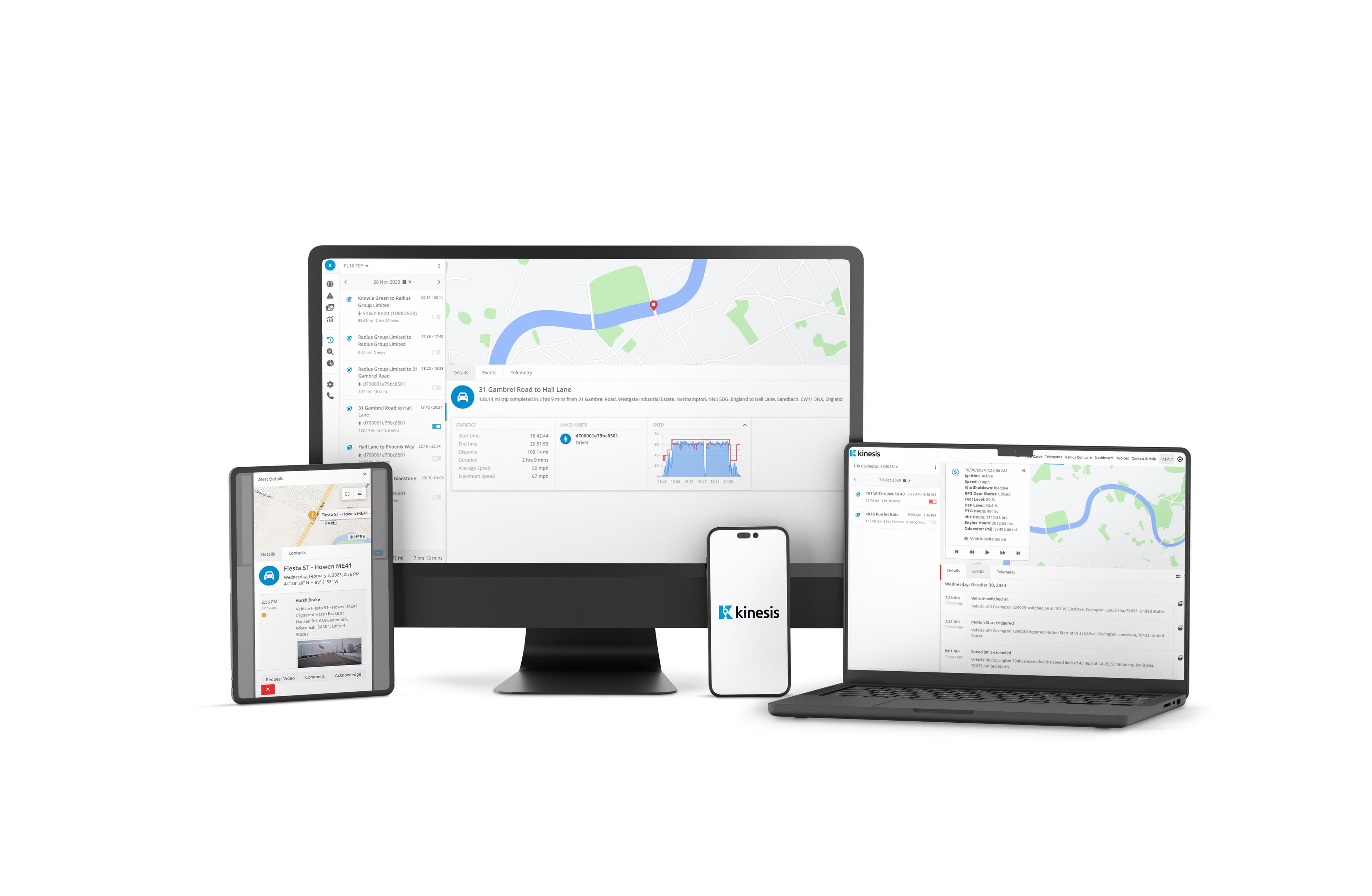
Karen Woolf, Director of Sales & Customer Management at Radius Telematics, commented, “Fleets want to remain compliant with Euro 7, but also make the best financial decisions with vehicle procurement timelines. It is therefore essential to review their telematics data well before the deadline arrives. Rather than fleet operators rushing into change too soon. Or, alternatively, leaving decisions dangerously late. Using platforms like Kinesis helps operators to develop a plan that works for their business. Using data is how, I believe, fleets will maximise the benefits and budget available to them."
What can you do with fleet data?
Data insight is the part telematics can help you with. With the right data about your fleet, you can:
- See mileage, MPG and trip history, so replacement decisions are based on how vehicles are used, not a rough estimate
- Flag which vehicles are approaching the end of their practical compliance life ahead of the 2026 and 2027 deadlines
- Build a case for phasing in electric vehicles using your own fuel, mileage and maintenance data, rather than industry averages
- Keep specification and compliance records ready for a customer contract check or a regulatory query, without digging through paperwork
- Feed the same data into Clean Air Zone reporting, so Euro 7 preparation and CAZ compliance draw from one source instead of two
Whichever way you decide to go on replacement timing, deciding with your fleet data ensures it’s what is best for you.
Get a quote
Want access to your real fleet data?
Whether you’re a large or small business, a fleet manager, or a business owner, we have a telematics for you.
We are a global leader in fleet telematics solutions, with over 650,000 connected fleets across the world.