
- Home
- EV Charging
- Mixed-Fleet Playbook
The 2026 Mixed-Fleet Playbook
Most courier fleets are already mixed: 51% are partially switched to EVs (40% fully switched).
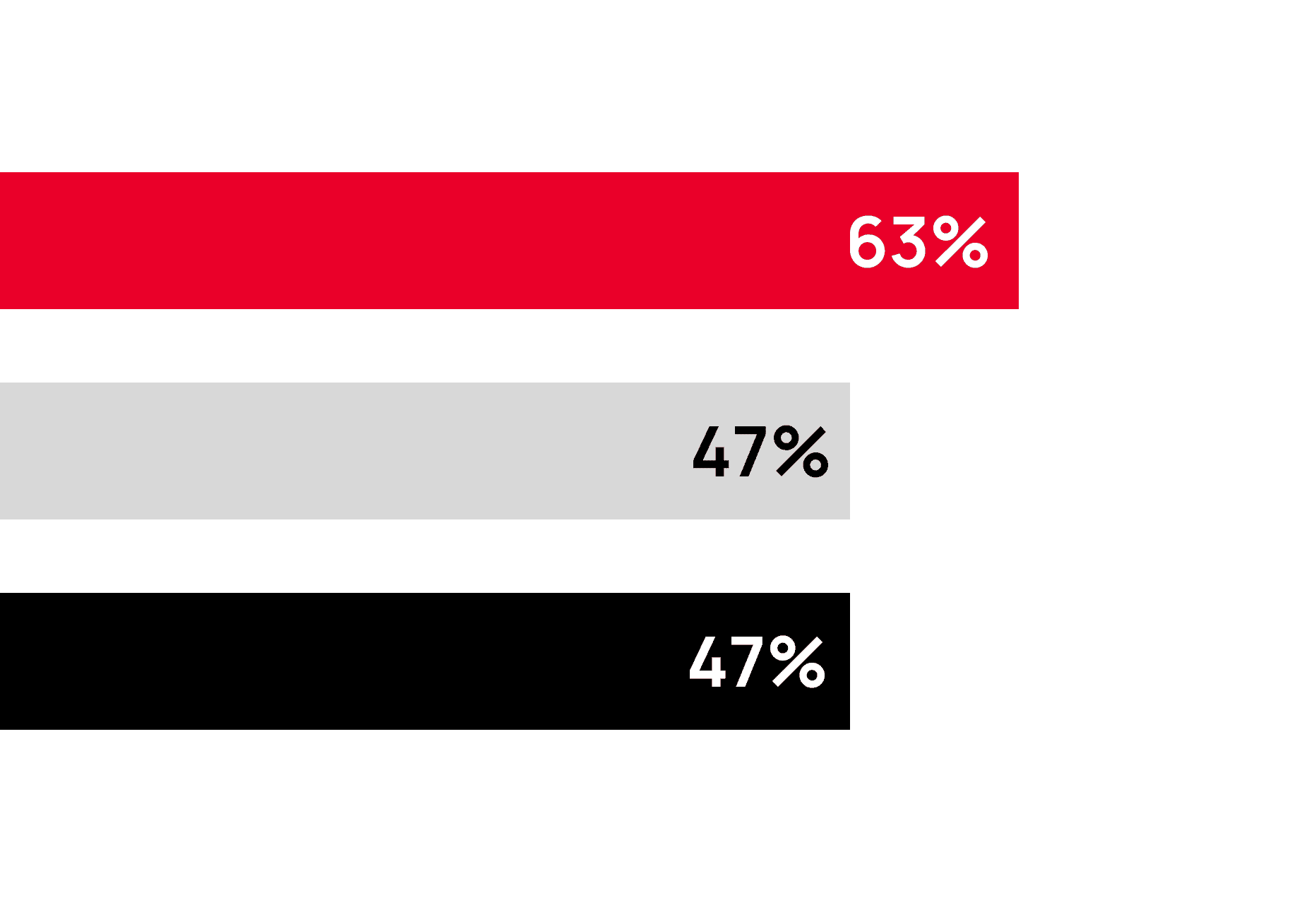
The biggest blockers are still practical: 63% want better range or vehicle options, and 47% want more charging locations.
This playbook shows how to keep moving: reduce downtime, plan smarter routes, and stay in control during the transition.
91% of couriers report to have switched to EV
Courier fleets are not switching overnight. They are transitioning in stages with most courier fleets already mixed, 51% being partially switched to electric vehicles (40% fully switched).
Our latest research with UK courier and delivery decision makers shows a clear reality: most fleets are already operating in a mixed environment, balancing fuel and electric vehicles while keeping deliveries on time and costs under control.
This playbook shares the key findings and what they mean for businesses managing vehicles, drivers, routes, charging and spend during the transition.
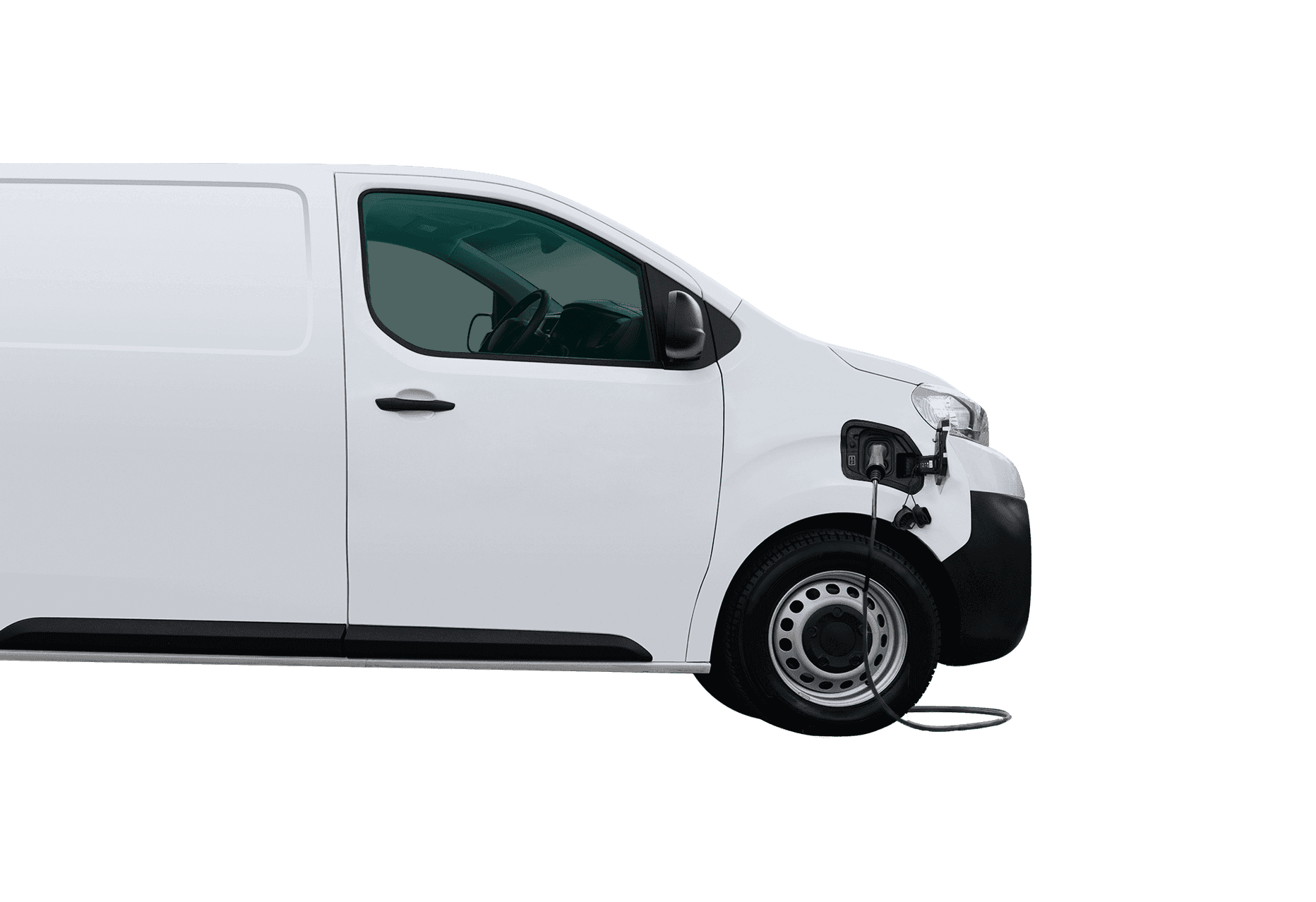
Headline insight: The transition is underway, but it is not finished
EV adoption in the courier sector is happening now. Yet most businesses are still in the middle of managing change, and the biggest challenge is not intent, it is execution.
91%
say they have already switched to EVs in some form (fully or partially).
51%
are partially switched, operating mixed fleets.
40%
are fully switched.
Most courier fleets are managing fuel and EV side by side
The largest group in our research is not fully electric. It is partially switched. That matters because mixed fleets have mixed needs: different stop types, different routing decisions, and different ways of paying and tracking spend.
When businesses are in transition, time loss and admin friction show up fast: rejected payments, unnecessary detours, charging queues, and reconciliation that takes too long.
What mixed fleets need to run smoothly
- Flexible planning that supports different stop types across the day
- Fewer failed stops and less wasted mileage
- Consistent visibility of spend while vehicles change
- Practical steps that help move from pilot to scale
Our respondents raised the need for Government to include better range or vehicle options (63%), more charging locations (47%), and financial incentives or grant support (47%).
Decisions are shaped by sustainability goals, but constrained by operational reality
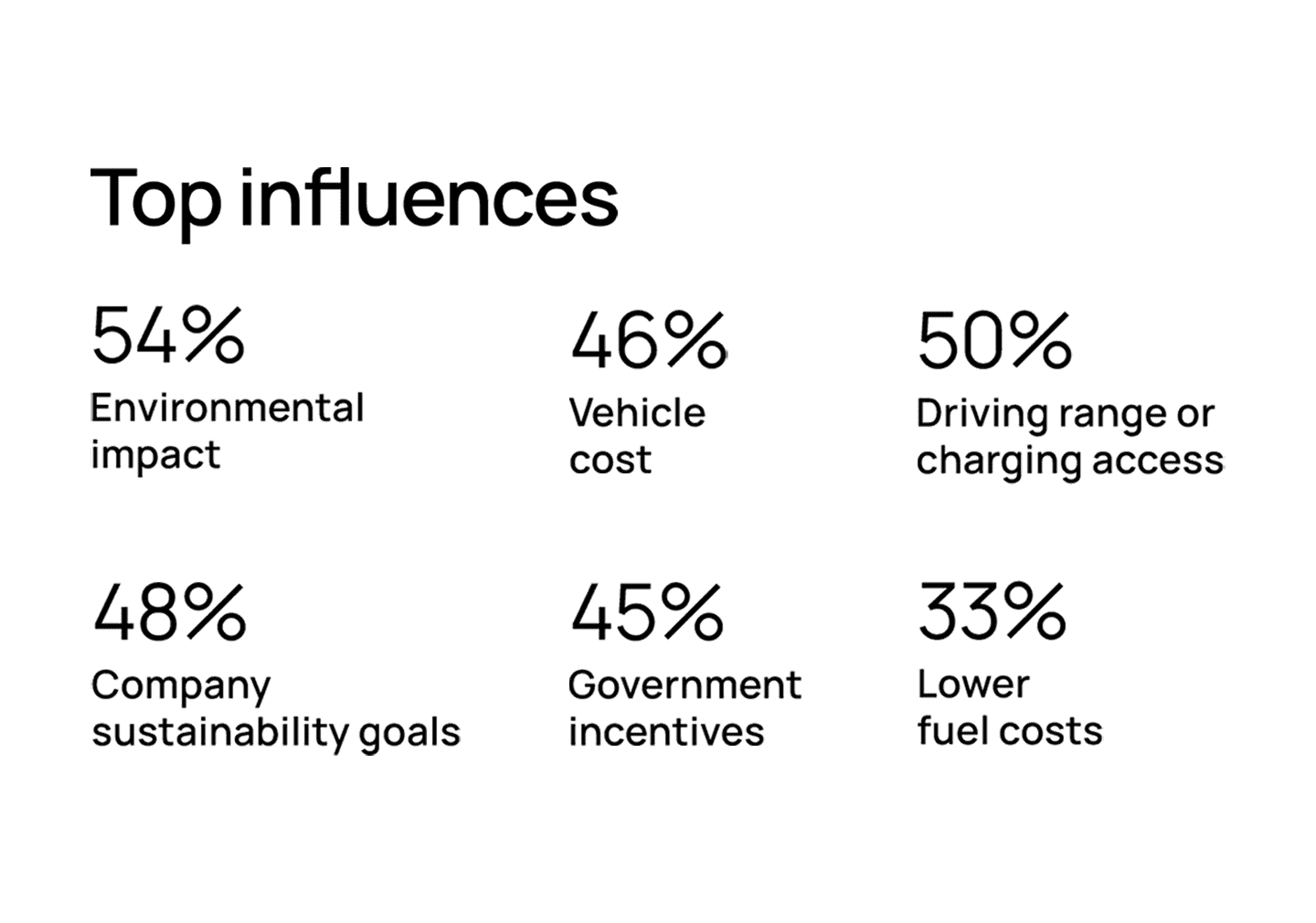
Courier businesses are balancing ambition with practicality. Environmental impact and sustainability goals are significant influences, but range and charging access remain central to whether EVs work for a given route profile.
This combination is why generic advice falls short. Courier fleets need confidence that vehicles, routes, charging and spend will align in the real world.
Top influences:
- Environmental impact: 54%
- Company sustainability goals: 48%
- Vehicle cost: 46%
- Government incentives: 45%
- Driving range or charging access: 50%
- Lower fuel costs: 33%
What would help businesses move faster and with less risk?
Couriers are clear on what helped them make the switch to EV:
- Better range or vehicle options: 63%
- More charging locations: 47%
- Financial incentives or grant support: 47%
- Guidance on setup or infrastructure: 41%
- Fleet leasing or trial options: 39%

Three actions fleets can take now

Smarter vehicle allocation for every journey
Ensure each delivery or service route is assigned to vehicles with the right range, payload, and operational suitability. Helping fleets improve efficiency while supporting gradual EV adoption.

Reduce downtime with proactive charging planning
Build charging schedules into daily operations before drivers leave the depot, giving teams greater confidence in route completion and reducing the risk of unexpected charging delays.

Clearer oversight for mixed-fleet operations
Maintain consistent reporting and operational oversight across mixed fleets with streamlined tracking tools that bring traditional and electric vehicle data together in one clear view.
Charging is split across workplace and on-route locations
For courier operations, charging is not confined to one place. Many drivers rely on a combination of workplace charging and public charging at service stations, with additional use of car parks, home, and retail locations.
This variety makes planning essential. The more predictable the stop, the easier it is to protect ETAs, avoid queues, and minimise detours.
How Radius e-route helps
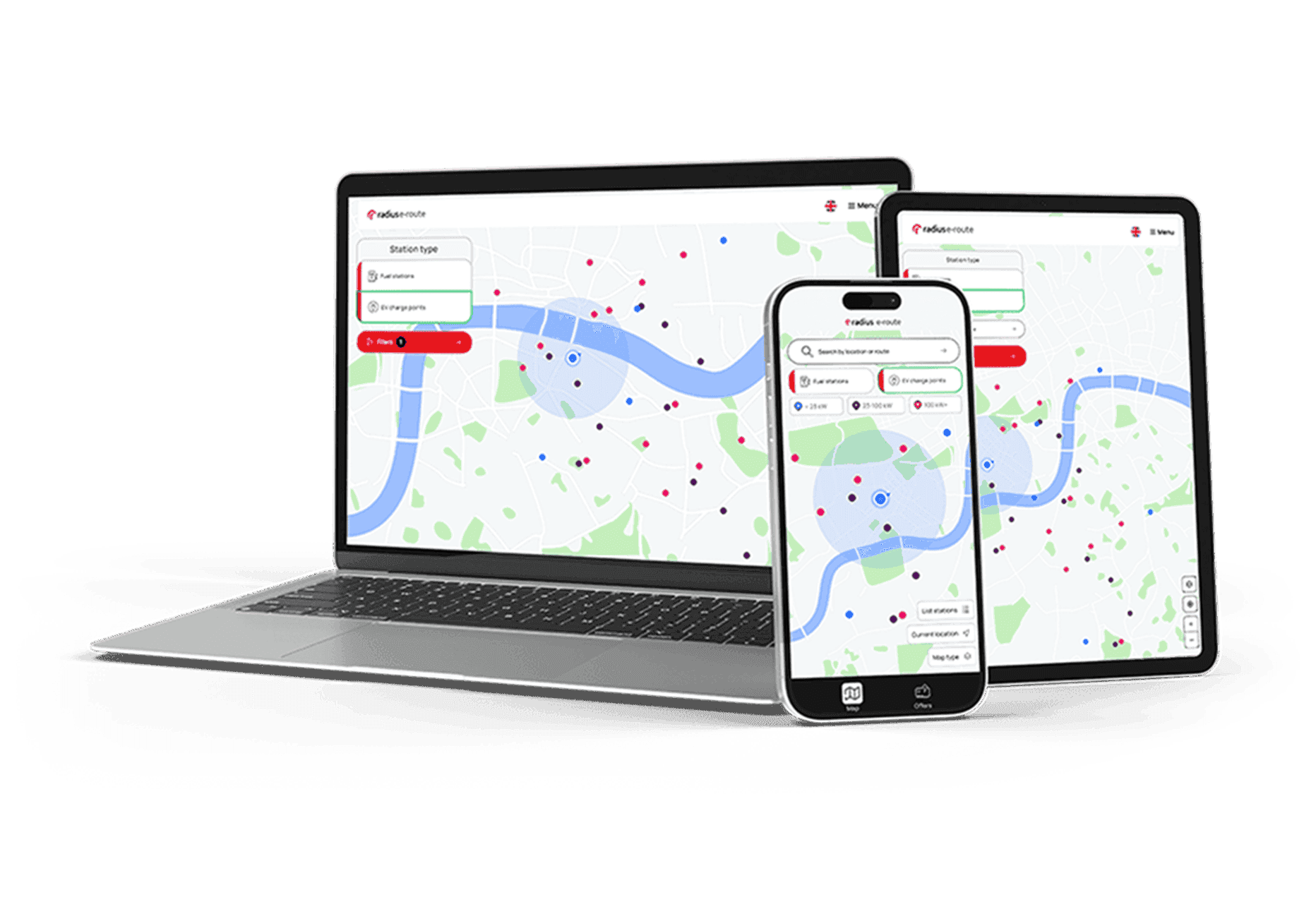
Our relaunched Radius e-route app helps drivers plan stops with more confidence, including checking live charger availability before arriving and routing to the most suitable locations along the way.
Where couriers are choosing to charge:
- Workplace charging: 33%
- Service stations: 26%
- Car parks: 18%
- Home: 12%
- Supermarkets: 11%

Support that fits the mixed-fleet phase
The e-route app helps drivers make fewer wrong turns, avoid downtime, and stay on schedule.
Find the right fuel stations first time: Quickly locate fuel stations along the route and filter by accepted cards, preferred networks, and essential facilities, reducing rejected payments and unnecessary detours.
Avoid EV charging downtime: Check live charger availability before arriving, helping drivers avoid queues and keep deliveries and jobs on track.
Plan efficient multi-stop routes: Build journeys in advance, then navigate seamlessly using Google Maps or your device’s navigation with live traffic and accurate ETAs.
Simplify fleet spend as vehicles change
As more fleets move from fuel to charging, managing spend consistently becomes just as important as route planning. Radius is preparing new ways to help businesses manage fuel and EV charging together, with the control and reporting needed during the transition.

Expert View: Turning insight into action
Courier fleets have made real progress, but the next phase is about removing friction. When you are managing a mixed fleet, every rejected payment, detour, or charging queue has a cost. The businesses that win will be the ones that plan smarter, keep drivers moving, and stay in control of spend throughout the transition.
Matt Kirby, Managing Director, EV Division

Frequently asked questions
Can’t find an answer to your question? Talk to the Radius customer support team on 0344 880 2468. We’re here to help you with any questions or concerns you may have.

Why choose Radius?
Our international presence impacts over 470,000 businesses across five continents.
Expertise
Our team has over 36 years of experience helping more than 470,000 customers globally
Trust
We are an internationally-acclaimed provider with numerous awards for our products and services.
Choice
Choose from our range of fleet, mobility and connectivity solutions that can be tailored to suit your needs.
Solutions
Use our award-winning technology and services to save your business time and money.
Methodology
Research conducted by Censuswide among a sample of 100 UK courier and delivery decision makers. Fieldwork January 2026.