If you run a courier or delivery fleet in 2026, you are probably not asking “should we go electric?”. Instead, you are asking “how do we make this work day to day?”.
That is the clearest message from our latest research with UK courier and delivery decision makers. EV transition is no longer theoretical. 91% of the businesses we surveyed said they have already switched to EVs in some form. But here’s the reality check: most are still operating in the middle ground. 51% are partially switched, compared with 40% fully switched. In other words, the mixed-fleet phase is not a brief stepping stone. It is the operating model for a lot of businesses right now.
Why “partial” is the hard part
A mixed fleet is where complexity multiplies. Routes have to work for different vehicle types. Drivers need different stop strategies. Back-office teams need spend and reporting that stays consistent while vehicles change. The cost of getting it wrong is immediate: detours, downtime, rejected payments, and missed ETAs.
Our research shows decisions about EVs are being shaped by a blend of ambition and practicality. Environmental impact (54%) and company sustainability goals (48%) are important influences, but so are the operational constraints, with driving range or charging access cited by 50%. Costs still matter too, from vehicle cost (46%) to lower fuel costs (45%).
This mix explains why many fleets make real progress, then stall. It is not a lack of intent. It is uncertainty about whether the operational puzzle pieces will fit together consistently across routes, days, and driver behaviour.
What fleets say they need next
When we asked what would help businesses switch, or helped them do so, the top answers were practical and confidence-building. Better range or vehicle options (63%) came first, followed by more charging locations (47%) and financial incentives or grant support (47%). But two other themes stood out for me: fleets want guidance and reassurance. 41% want guidance on setup or infrastructure, and 39% want leasing or trial options.
Those are “de-risking” signals. Businesses are looking for ways to test, learn, and scale without putting service levels at risk.
Charging behaviour tells us something important
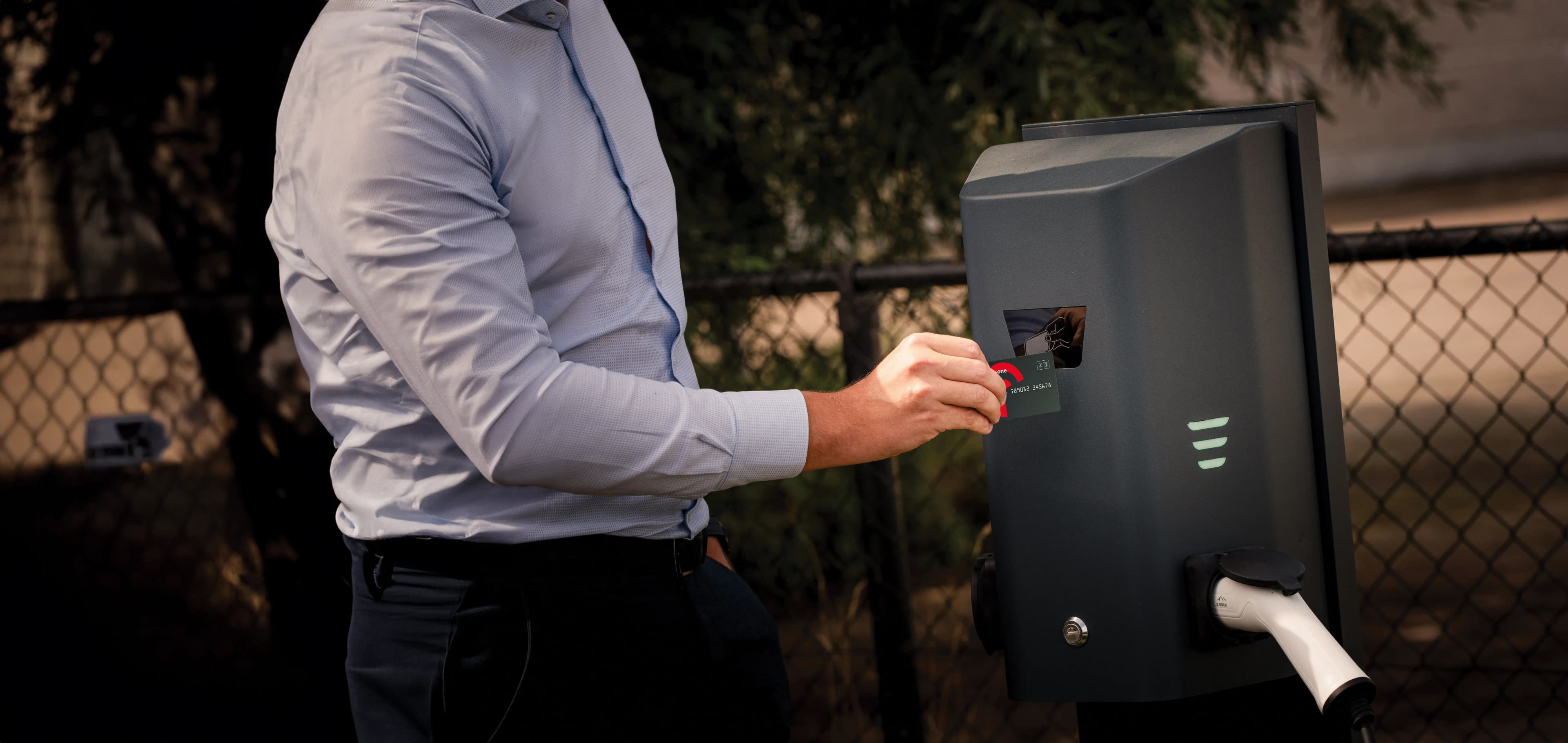
Courier operations do not charge in one neat place. Among those already switched, charging often happens at workplaces (33%) and service stations (26%), with additional use of car parks and retail locations. That points to a simple truth: routing, stop selection, and real-time decisions are part of EV success, not an afterthought.
The playbook mindset
If you are managing a mixed fleet today, my advice is to treat transition as an operational programme, not a one-off purchase decision.
Start with route suitability, expand EV coverage route by route, and remove friction wherever it appears, especially around charging downtime and stop planning. Then focus on consistency: consistent processes for drivers, and consistent visibility for the business.
That is exactly why we created The 2026 Mixed-Fleet Playbook. It is designed to recognise the challenges, reflect the reality, and help fleets keep moving while they transition.
If you want to talk through what this means for your routes, vehicles, and day-to-day operations, the best next step is simple: speak to an expert.
Speak to an expert
Is your business ready for EV?
At Radius, we combine decades of fleet expertise with innovative EV solutions to help you plan and execute a successful transition. From telematics and leasing to charging cards and infrastructure, we offer everything you need under one roof.
Matt began his Radius career in 2018 as Group Marketing Director before moving to become Managing Director of the Insurance business in 2021. In September 2024, Matt took over responsibility for Radius EV and Energy, a critical emerging business unit as we seek to support our customers through the energy transition.
Prior to joining Radius, Matt worked in a variety of leadership roles at Saint-Gobain for 15 years. He holds an MBA from Warwick University.