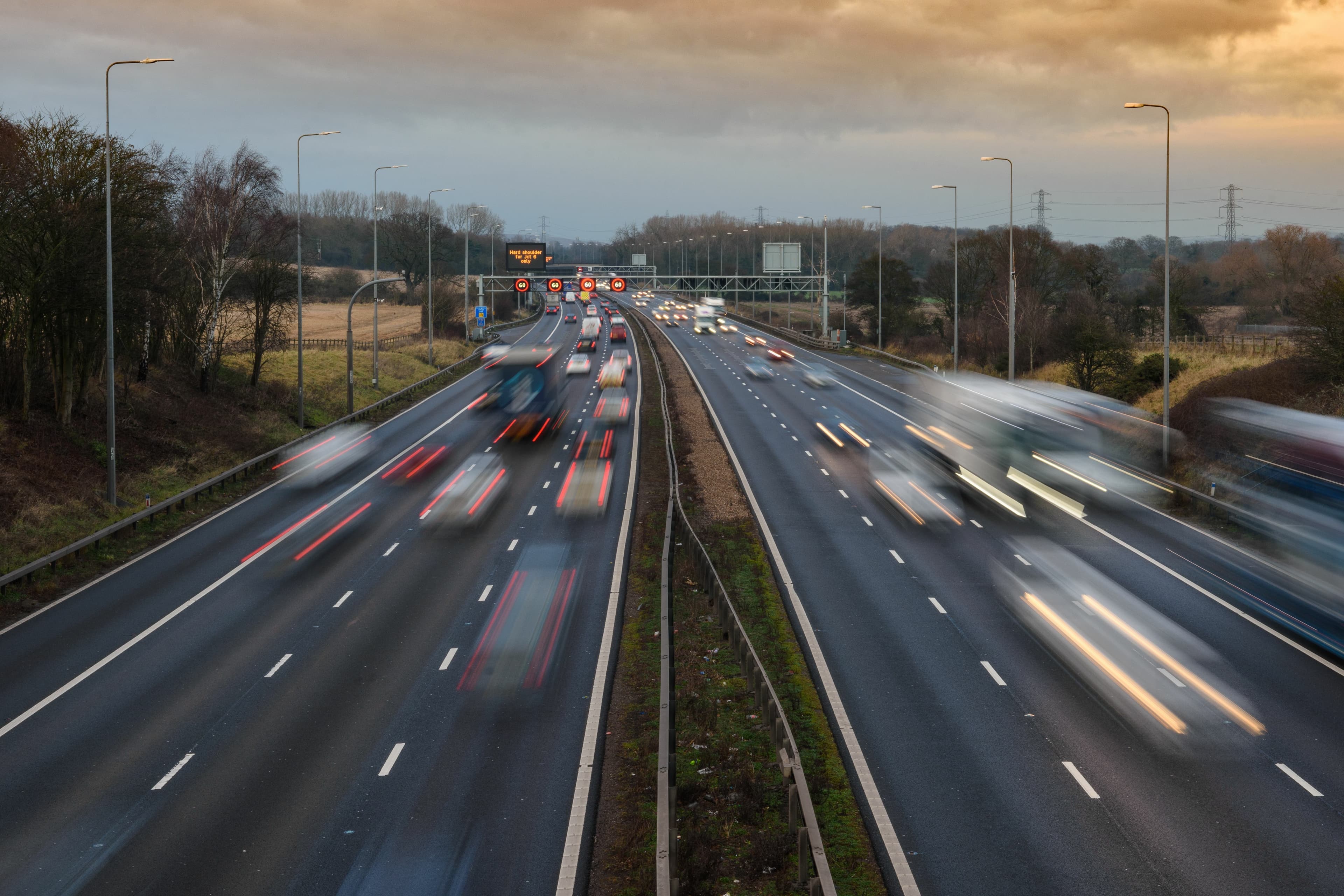
New data from the DVLA has confirmed what many road safety experts have long feared. Speeding on UK roads is getting worse.
A Freedom of Information request by road safety charity IAM RoadSmart has revealed that 939,519 drivers received an SP30 endorsement in 2025. This is the penalty code for exceeding the speed limit on a public road. That is a 32% increase from the 678,367 endorsements handed out in 2022.
On motorways, a further 216,141 drivers were caught in 2025. A figure that sits 29% higher than three years ago.
But the statistics that should concern fleet managers most are the ones about who was not caught.
Separate research by IAM RoadSmart found that 61% of UK drivers admitted to breaking the 30mph speed limit in the past 12 months. Nearly half (48%) said they had driven between 31 and 40mph in a 30mph zone. Speeding has become normalised, and that carries a very real risk to safety and brand reputation.
The cost of a speeding driver to your business
Speed is a factor in 40% of all road collisions in the UK, according to Government data. For fleet operators, a speeding driver is not just a legal and insurance liability, they represent a risk to life, a threat to your company's reputation, and an instigator of increased costs through unnecessary fuel consumption.
The minimum penalty for a speeding offence is a £100 fine and three penalty points. More serious offences carry six points, fines based on weekly earnings, or disqualification. A driver losing their licence also affects your operations and ability to serve customers.
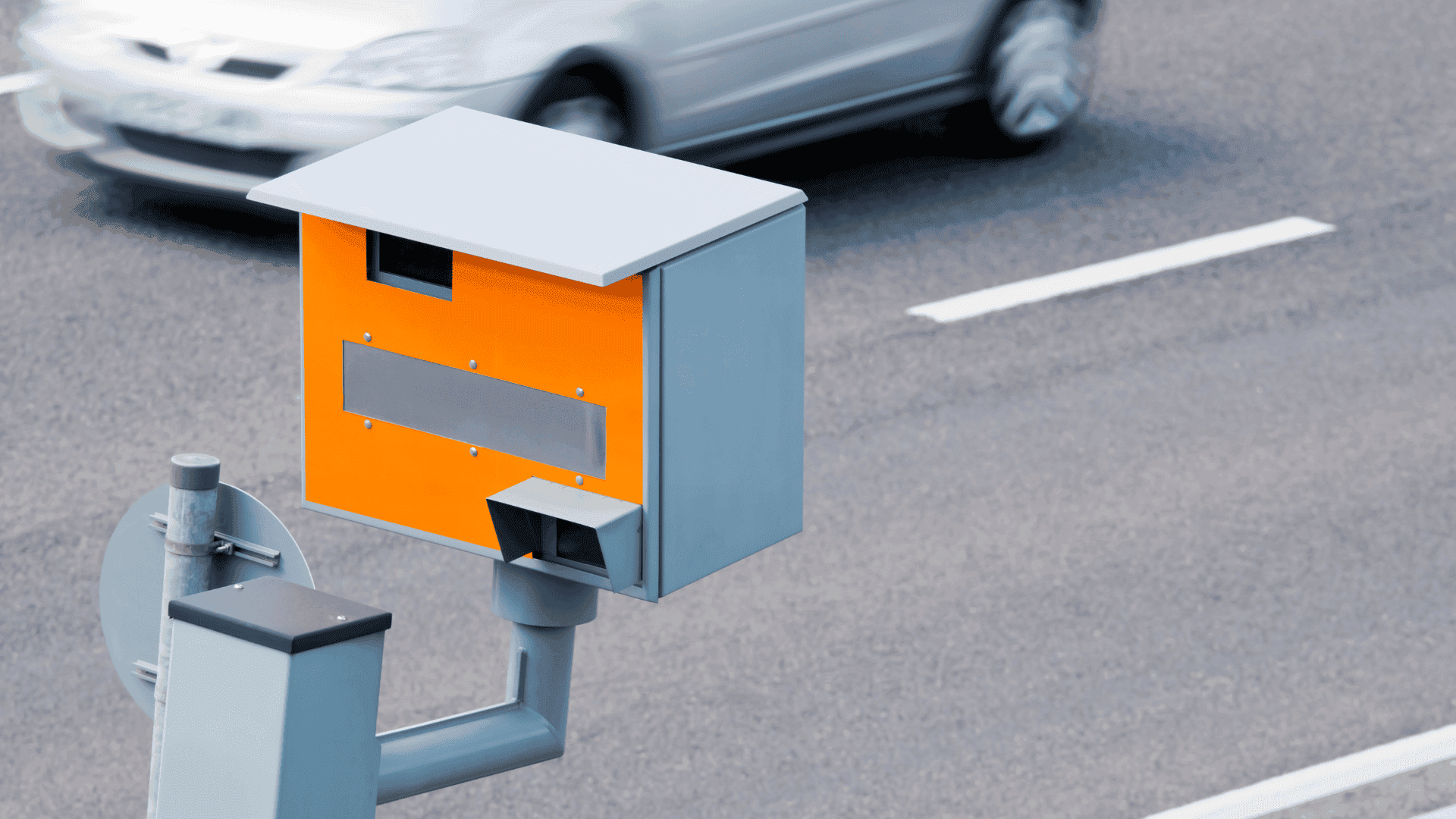
How telematics changes the outcome
Data from driver monitoring can be used to help identify at-risk drivers before a penalty, or worse, an accident, occurs. Coaching built on tracking data, not guesswork, has been shown to meaningfully reduce unsafe driving behaviours.
"The data coming out of this year's DVLA figures is a genuine wake-up call for the fleet industry. We know that speeding is endemic, the IAM RoadSmart research makes that abundantly clear. But what the numbers also tell us is that this is an entirely solvable problem. This is where fleet operators have both an opportunityand a responsibility.
Kinesis dashboard insights and detailed reports give fleet managers a view of what is happening on the road, across every vehicle. This data is not to police drivers in a punitive sense, but to understand where the risk is and to intervene before it escalates.
The businesses I have seen make the biggest strides in driver safety are the ones that treat telematics data as a coaching tool, not a disciplinary one. They use it to have better conversations with their drivers. To understand what management factors contribute to dangerous speeds. To identify which drivers need support and what kind. To build a safety culture that is grounded in evidence, not assumptions.”
Jolawn Victor, CEO, Radius Telematics

More pressure on drivers means more risk for employers
Recent data from the Department for Transport shows traffic levels have returned to pre-pandemic highs, with van mileage increasing by over 12% since 2019. At the same time, driver pressure is rising.
Nearly one in five drivers report increased stress and reduced concentration due to time pressure. While others admit time pressure leads to impatience and more erratic driving behaviour. For fleets, this combination of higher road usage and stressed drivers is increasing risk across day-to-day operations.
What good driver behaviour management looks like
The DVLA figures are stark. Speeding is at a four-year high and, by the admission of drivers themselves, far more widespread than enforcement data alone captures.
The best fleet operators are building proactive safety cultures supported by technology, using telematics data to set individual driver benchmarks and track improvement over time. They deliver coaching that is influenced by driving data and speeding alerts for a safer, more efficient and cost-effective fleet.
The goal is not to penalise drivers, it is to support them in doing their job safely.
Find out how vehicle tracking can help protect your business and reduce your operational costs.
Learn more about telematics
Learn more about preventing fuel fraud
Use Geo-Plus to maximise your fuel efficiency and protect against unauthorised use.
Link your fuel cards to your vehicle tracking devices to access in-depth analysis of fuel card usage with vehicle journeys and mileage.