
For many UK businesses, energy has become a major operational pressure. Between volatile market prices and the growing push toward net zero, managing your usage is a necessity.
If you're managing energy reactively, you might be relying on past bills and estimates that offer no real insight into where your money is actually going. You can't manage what you can't see. Robust energy monitoring solutions can change that. With a comprehensive system in place, you get real-time visibility to spot waste early and slash operational costs – all without adding another layer of complexity to your day.
Discover the benefits of energy monitoring systems and how your business can make the most of these commercial solutions in this guide.
We'll cover:
- What an energy monitoring system is
- How energy monitoring systems work
- The main business benefits of energy monitoring
- Practical applications across facilities and operations
- How to improve energy efficiency using live data
What is an energy monitoring system?
An energy monitoring system is a digital platform that tracks, analyses and reports on your business's energy usage. It collects data from meters and sensors, then turns this into clear insights you can use to reduce waste and improve performance.
Instead of manually checking readings or waiting for bills, everything is presented in one place, so you can quickly see what's happening and where improvements can be made.
What is the energy monitoring process?
Commercial energy monitoring solutions:
1. Collect data from smart meters, sub-meters and sensors
Energy monitoring systems specialists like the team at Radius will install sub-metering and additional meters at your commercial premises to track your energy usage in detail, by zone or equipment.
2. Transmit that data to a central platform
The data is collated in one place, making it easier to access and analyse.
3. Analyse usage patterns and highlight trends or anomalies
There's then an audit of the data that's been captured. This detail-oriented approach makes it possible to identify where the most energy is consumed in your business.
4. Present insights through dashboards and reports
The report that's generated serves as an insight into where your business is now in terms of energy use, and as a focal point for establishing an energy management strategy.
5. Train staff to ensure ongoing updates and continual monitoring
With Radius, training is provided so that the team that accesses the dashboard knows what to look out for and how to set long-term energy goals. The system continues to monitor usage, so these trained team members can plan for cost reduction and energy-efficient initiatives now and in the future.
This process allows you to move from reactive energy management to proactive control, spotting issues early and acting quickly.
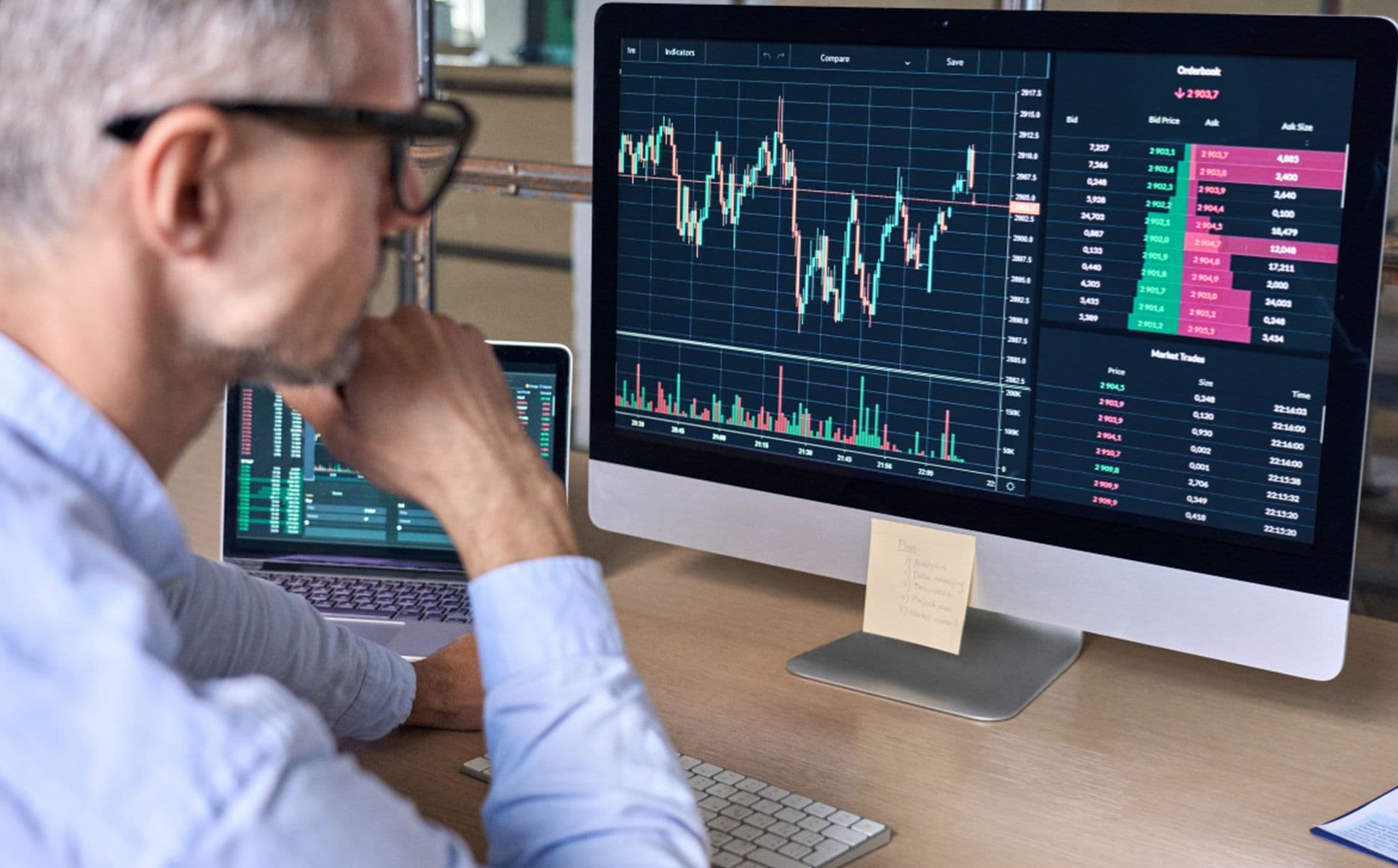
Why use monitoring systems to manage business energy?
Businesses don't always have full visibility of how they use energy day to day. This leads to inefficiencies and wasted spend.
With these commercial energy monitoring solutions, businesses can monitor:
- Real-time electricity, gas and water usage
- Peak demand periods
- Consumption by site or department
- Equipment performance
- Historical usage trends
- Irregular spikes in consumption
All of which gives you data you can trust and clear actions to reduce waste and improve efficiency.
What are the benefits of energy monitoring and targeting?
Energy monitoring systems show you data and then help you act on it. Here are the key benefits for businesses looking to improve performance and stay in control:
| Benefits | What this means for you |
|---|---|
| Live data | Information delivered in real time tells you exactly what your business's energy usage looks like right now, from peak times to random spikes |
| Actionable insights | Data that's transferred into clear recommendations designed to help you reduce waste and improve efficiency |
| Energy investment guidance | Monitoring that allows you to make decisions about the best providers and make energy-efficient updates, such as introducing heat pumps |
| Cost reduction | Identify inefficiencies and outdated systems that cost money and use excess power |
| Reporting and compliance | Use detailed energy reports to align with ESG reporting and net zero objectives |
| Future-proofing | Proactively track and respond quickly to changing energy prices |
Additional benefits to consider
Energy monitoring systems also support with:
- Measuring performance: Establish a baseline and track improvements over time
- Improving facility performance: Identify underperforming or faulty equipment early
- Operational efficiency: Use alerts and automation to reduce manual checks
- Enhancing brand reputation: Demonstrate progress towards net zero and sustainability goals
Malcolm Emery, Commercial Director at Radius expands on how energy monitoring and targeting can be good for your reputation:
"Environmental, social and governance policies have been a major talking point in recent years. And with businesses shifting focus towards meeting net zero targets, it's become more important than ever to prioritise tracking energy use. Energy data is fundamental for accurate ESG reporting, and monitoring systems provide the clarity and transparency required to build trust with stakeholders."
Applications for energy monitoring systems in your business
Energy monitoring systems can support a wide range of operational updates across a variety of businesses and organisations.
The key is using the data to identify practical opportunities for improvement.
Identifying wasted energy
Many organisations underestimate how much energy is used outside normal working hours. Monitoring systems can highlight:
- Overnight energy usage
- Weekend consumption
- Heating and lighting left running unnecessarily in unused rooms
- Equipment operating when buildings are empty
Once identified, businesses can introduce automated shutdown schedules or system changes to reduce waste.
Optimised renewable energy
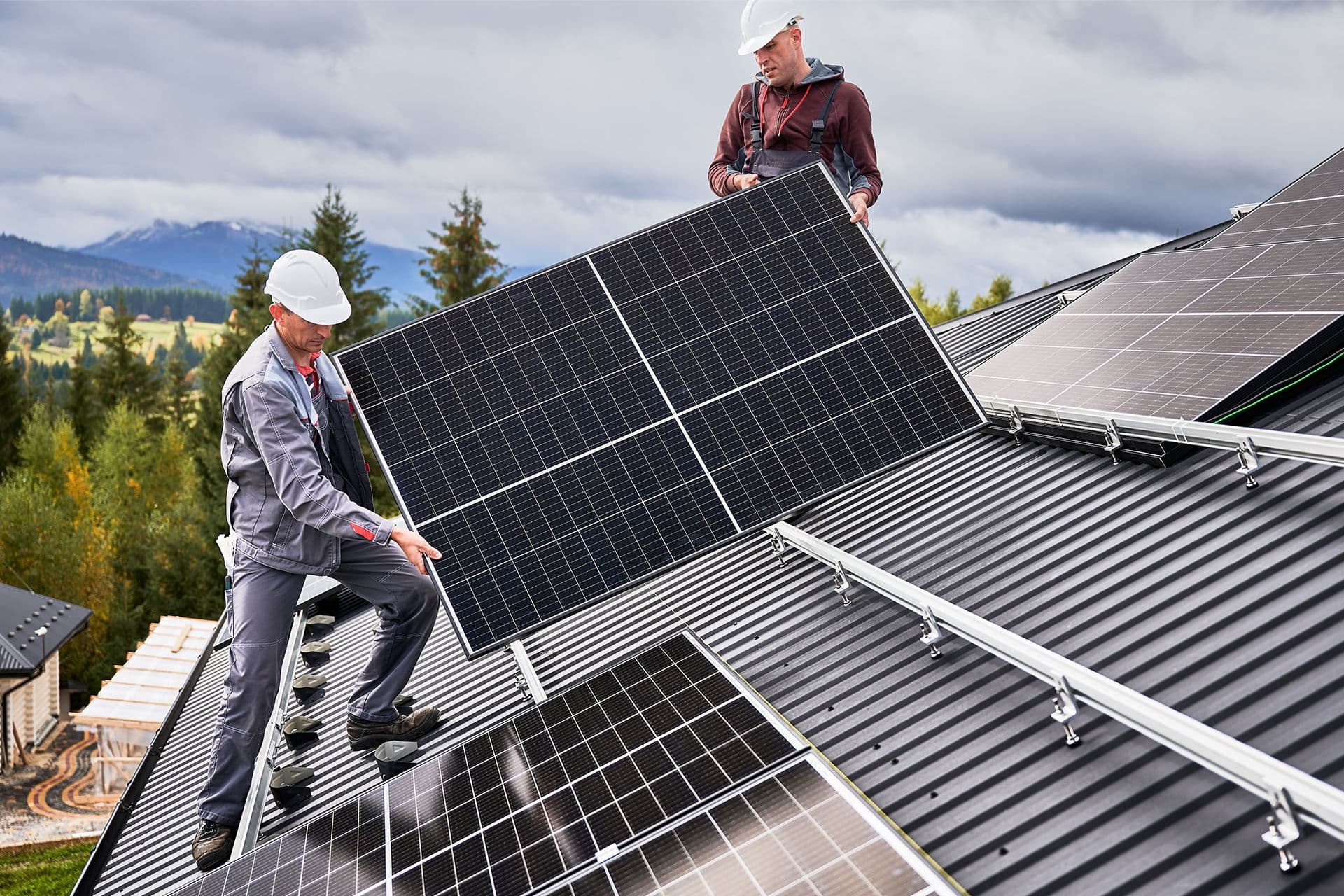
For businesses investing in solar PV, heat pumps, or battery storage, energy monitoring provides the financial clarity needed to maximise return on investment. Rather than just tracking consumption, a robust monitoring system allows SMEs to balance on-site generation against heavy-demand centres, crucial for understanding exactly how asset additions, such as EV charging infrastructure, impact overall grid demand and costs.
Monitoring systems track and compare:
- Solar PV generation vs EV demand: Quantify how much free, on-site energy directly powers your fleet or employee charging to protect your bottom line.
- On-site consumption vs. grid reliance: Identify peak generation periods to shift high-energy business operations to self-generated power windows, reducing expensive peak-rate grid draw.
- Asset-specific financial performance: Pinpoint exactly which renewable investments are delivering the fastest payback and where efficiencies can be tightened.
By integrating these insights, SMEs can successfully drive practical Net Zero initiatives with a strict focus on cost control, budget predictability, and clear financial returns, rather than just ESG reporting.
Equipment efficiency
Equipment performance changes over time. Real-time monitoring helps businesses identify:
- Abnormal energy spikes
- Underperforming components
- Early warning signs of faults
- Systems requiring maintencance
This allows teams to address issues proactively before they lead to higher costs or operational disruption. Choosing specialists like the team at Radius means you can train staff to look out for these issues and help make ongoing improvements.
Staff engagement
Data captured through energy monitoring solutions can potentially encourage your team to think more responsibly. Displaying the before and after in high-traffic areas can get staff into better habits and improve awareness around consumption.
Focusing on these small behavioural changes across the business can contribute to long-term savings that make a noticeable difference.

Your energy monitoring checklist
Use this checklist to create an energy strategy that make your business operations efficient and eco-conscious:
- Identify energy consumption: Do you know exactly what your building uses when it's empty?
- Set up automated alerts: Ensure you are notified via smartphone the moment energy usage spikes unexpectedly.
- Audit your equipment: Use the dashboard to find machinery left on standby outside operational hours.
- Review your reporting: Is your data compliant and meeting energy standards?
- Compare sites: Check your locations to identify which site is your most efficient.
- Evaluate ROI: Use the energy monitoring system software to prove that your efficiency investments are matching up with the company's financial goals.
With a comprehensive system in place, your business can proactively control energy usage. Full, accurate visibility and follow-up reporting help streamline your current setup, reducing costs and focusing on efficient alternatives.

Speak to Radius about commercial energy monitoring solutions
At Radius, we provide you with business energy solutions, whether you're a sole trader, SME or a manger who oversees multiple sites. As part of the energy monitoring system process, we take you from the initial installation of your sub-meter to training your staff, providing dedicated account support and industry insights. Get in touch to find the right solution for you.