What should a fleet safety review cover? Downloadable checklist included
A fleet safety review is like looking under the bonnet of your whole operation, not just checking the dashboard. Warning lights can tell you something needs attention, but they don’t always explain why. Here we outline what should be covered in a fleet safety review, plus provide a downloadable checklist you use with your team.

What is a fleet safety review?
A fleet safety review checks how you manage driving-for-work risks. It combines policies, maintenance records, incident reports, driver feedback and available telematics data to assess whether safety processes work and previous actions are complete. Unlike a daily vehicle check, it covers the wider operation, including personal vehicles used for work.
A useful review looks at your drivers, vehicles, and journeys, along with the policies, information, and day-to-day decisions that support them. It should help you to provide clear actionable insight. Teams wouldn’t wait for breakdowns to service a vehicle; safety deserves the same proactive approach.
- Are vehicle faults being fixed?
- Do schedules leave enough time for breaks?
- Are you learning from near misses before someone gets hurt?
1. Safety policies and responsibilities
Check your driving-for-work policy reflects current operations and covers speed, distraction, seat belts, fatigue, fitness to drive and incident reporting. Confirm drivers understand it, managers apply it consistently, and safety tasks have clear owners. Check how concerns are reported and acted on.
2. Driver readiness and support
Check licences, required qualifications, induction and refresher training, including familiarisation with new vehicles or duties. Make sure drivers can report fatigue, health or medication concerns through a clear, supportive process, without pressure to drive when unfit.
3. Vehicle condition and defect management
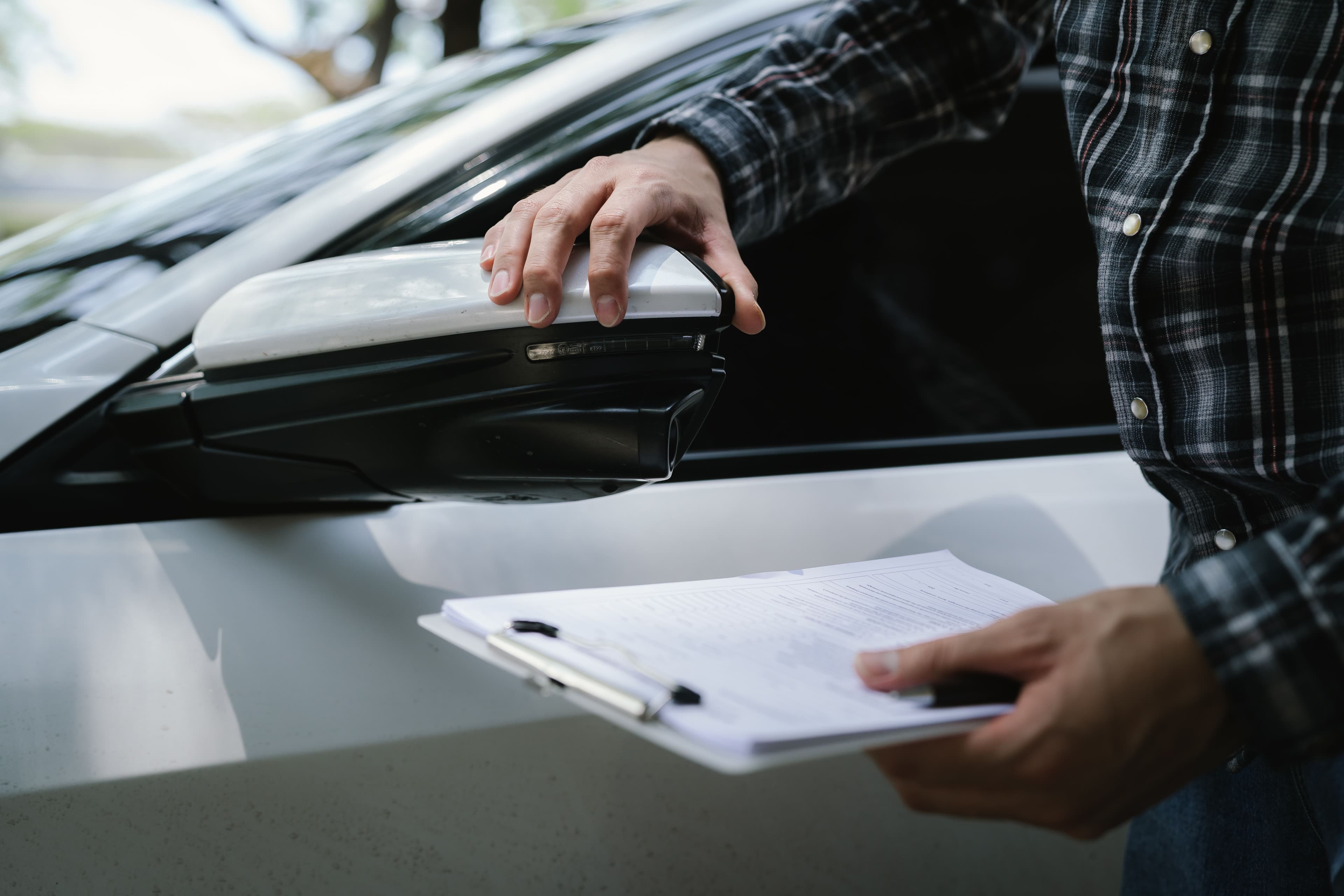
Review inspections, servicing and repairs, including checks on tyres, brakes, lights, mirrors and seat belts. Trace reported defects through repair and sign-off, keeping unsafe vehicles out of service. Include load security, equipment, trailers and checks suited to each vehicle’s use. For personal vehicles used for work, verify roadworthiness and suitable insurance arrangements.
4. Journey planning, fatigue and work pressures
Check journeys are necessary and schedules allow for traffic, breaks, loading and delays. Review route restrictions, access, weather and pedestrian and cyclist risks. Check applicable driving-hours and working-time rules but assess fatigue beyond compliance. Use driver feedback to improve plans, cover lone working, parking and welfare, and ensure drivers can request changes or stop unsafe journeys.
5. Driving trends and safety conversations
Use available telematics to spot speeding, harsh braking, acceleration and cornering patterns. Consider context before drawing conclusions: events may reflect road conditions or process, not just training needs. Dash cam footage can add important risk context. Combine findings and footage with driver feedback to guide coaching, improve operations and check whether previous support worked.
6. Incidents, near misses and emergency response
Review collisions, claims, near misses, repeated damage and driver concerns for underlying causes, including schedules, vehicle condition and site access. Keep reporting simple. Ensure drivers know what to do, who to contact and how to report safely. Secure records and footage promptly with appropriate access controls and turn findings into action.
7. Telematics, cameras and responsible data use
Check devices work, settings reflect your fleet and alerts reach someone responsible for acting. Monitoring must have a clear, lawful and proportionate purpose. Explain what data is collected, why and who can access it. Review privacy information, security, retention and private-use arrangements against local requirements. Technology should support safety processes, not replace them.
8. Actions, ownership and follow-up
Address immediate risks now. For other gaps, record evidence, actions, owners and deadlines. Track a few measures, such as overdue repairs, training and incident trends, allowing for changes in mileage and fleet size. Fewer reported near misses may reflect under-reporting, not lower risk. Check actions work before closing them.
9. Turn a safety review into everyday action
Connect safety records with real-world driving. Radius vehicle tracking and driver performance monitoring can highlight speeding and harsh-driving trends. Vehicle cameras can add context for incident reviews and coaching, depending on your solution, helping you focus safety efforts.
Expert view
How often should you review fleet safety?
“Monthly checks of key safety information and a broader annual review can be a useful starting point. Match reviews to your operation, risks and local requirements. You should be reviewing sooner after serious incidents or significant changes to vehicles, operations, drivers or their working patterns. Keep routine checks going and address urgent concerns immediately.” Selena Davies, Enterprise Sales Director at Radius – Telematics Division
Fleet safety checklist


Ready to gain greater visibility over your vehicles and assets?
Explore Radius tracking solutions or speak to our telematics team about suitable devices and software.
A starting point, not a substitute for risk assessment or specialist advice. Adapt to your vehicles, work and local safety, transport and data protection requirements.