The new EU driver camera law explained for fleet managers
Since 7th July 2026, all new cars and vans registered in the EU need an in-cabin camera watching the driver's face for signs of distraction and fatigue.
If you manage a fleet, you might wonder if this means the same rule now covers your dash cams, or if you no longer need them. The answer is no; this is a different type of camera with a different purpose. The rules for your road-facing dash cams have not changed.
What changed on 7th July?
New vehicles in the EU now need a system that can spot when a driver is tired or not paying attention. The new requirement is an Advanced Driver Distraction Warning system, mandated under the EU's General Safety Regulation.
‘ADDW is a system that helps the driver to continue to pay attention to the traffic situation and that warns the driver when they are distracted.’
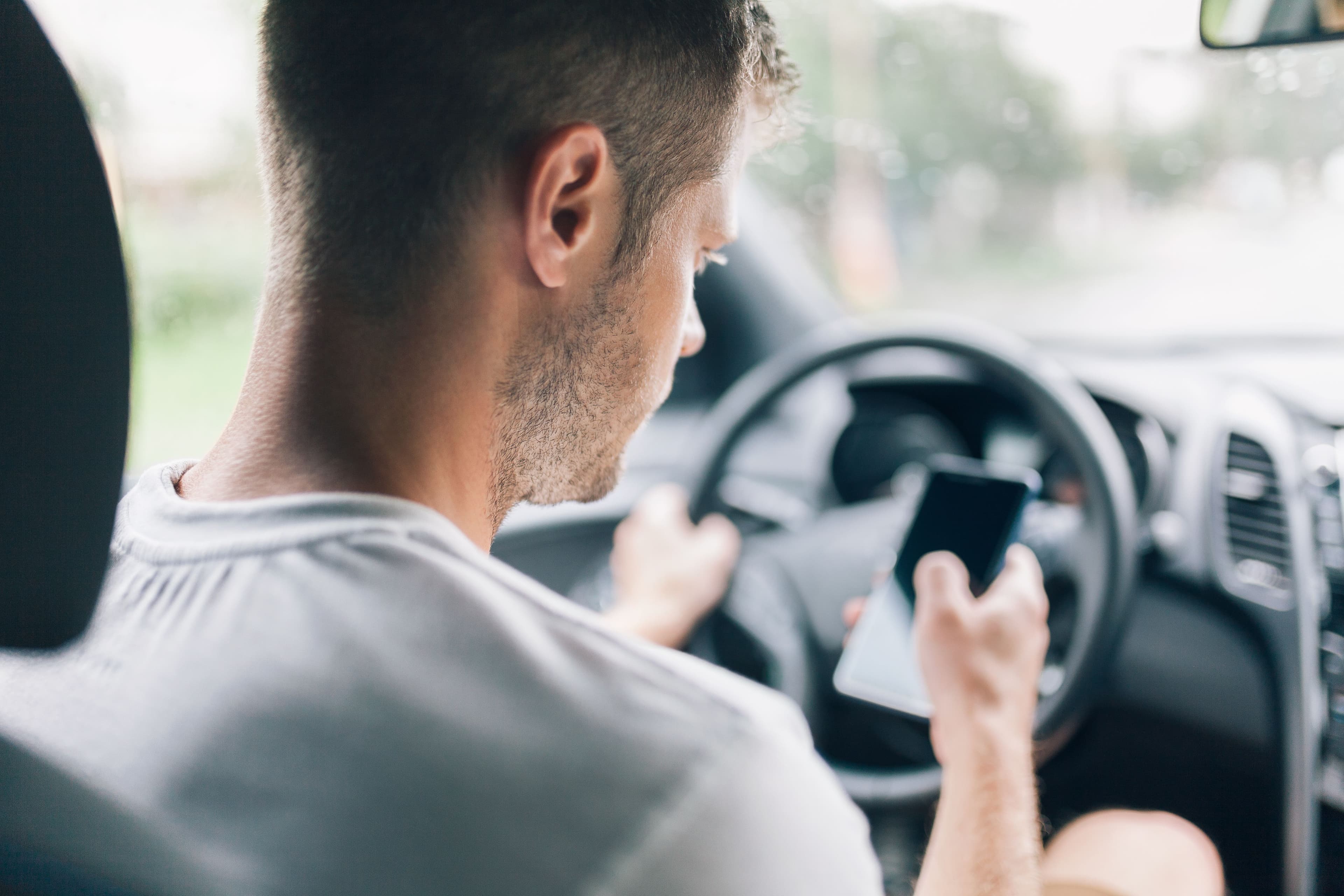
It uses a small infrared camera inside the vehicle. This camera usually sits near the steering wheel. It looks at the driver’s eyes, head movement and blinking.
If the driver looks tired or distracted, the system gives them a warning.
This is not the same as a dash cam. It does not film the road. Its only job is to help the driver focus again in the moment.

Why that's not the same as your fleet dash cam
A road-facing fleet dash cam does something completely different. It records what happens on the road ahead, keeps that footage, and gives you and your drivers evidence after an incident, for an insurance claim, a liability dispute or a false accusation and may help reduce insurance premiums or claims costs.
The new EU system is not a road-facing dash cam. It does not save video after an incident. If your fleet uses dash cam footage as evidence, you still need that camera.
What dash cam rules apply where your fleet operates?
In most European countries, fleets can use front-facing dash cams. But the rules are not the same in every country. The main issue is privacy:
Dash cams can record people, number plates, places and road incidents.
- It means you need a clear reason for recording.
- Drivers should know what the cameras record and how the footage is used.
- Only the right people should be able to see the footage.
- Clips should not be kept for longer than needed.
- Some countries have stricter rules than others.
Other countries, such as France, Germany, Belgium, the Netherlands and Ireland, usually allow dash cams if privacy rules are followed. If your vehicles travel across Europe, do not assume the rules are the same everywhere. Check the rules in each country you operate in, especially if the camera records all the time.
Dash cam rules across Europe: quick country guide
| Country | Key point to know | Regulatory source |
|---|---|---|
| UK | UK GDPR applies. Fleets need a clear reason for recording, a driver policy, secure storage and a rule for how long clips are kept. | Information Commissioner's Office guidance on dash cams, surveillance in vehicles, lawful basis, signage, DPIAs, retention and responsible handling of footage. |
| Ireland | GDPR applies. Dash cam video may count as personal data if it shows people, number plates or other identifying details. | Data Protection Commission guidance on dash cams and video recording, including recording identifiable people, vehicle occupants and road users. |
| Austria | Continuous dash cam recording is tightly restricted. Fleets should check local rules before using dash cams. | Austrian Data Protection Authority guidance on photo and video recording, including dash cams. |
| Germany | Event-based recording is generally safer than recording all the time. | German Data Protection Conference position paper on dash cams, which says permanent, indiscriminate traffic recording is generally not necessary |
| France | Drivers should be told what the camera records, why it records and how the video will be used. | CNIL guidance on connected vehicles, personal data, geolocation and employee vehicle monitoring. |
| Belgium | Privacy rules apply when dash cam video can identify people or number plates. | Belgian Data Protection Authority guidance on surveillance cameras, access rights, camera notices, registers and retention. |
| Netherlands | Fleets should have a clear purpose, limit access and avoid keeping clips for longer than needed. | Dutch Data Protection Authority guidance on camera surveillance for organisations, including legal basis, necessity, access, security and retention. |
| Spain | Recording should be necessary, fair and proportionate. | AEPD guidance and legal reports on on-board cameras, legitimate interest, proportionality and recording images or vehicle registration plates. |
| Italy | Fleets should use clear privacy notices and avoid keeping video for longer than needed. | Garante Privacy guidance on video surveillance, information notices, retention limits and security measures. |
| Portugal | Dash cam rules can be restrictive, so fleets should check local rules. | CPND Portugal data protection and video surveillance guidance should be checked before deployment, as dash cam use may raise privacy concerns. |
The GDPR rules fleets need to think about
Across the EU, dash cam footage can count as personal data if it shows people, number plates or other details that could identify someone.
- You need to be clear about why you are recording.
- You need to explain how the footage will be used.
- You need to decide who can access the footage.
- You need to set a clear rule for how long clips are kept.
- Most fleets use dash cams for safety, insurance claims, driver protection and incident reviews.
- These can all be valid reasons, but they should be written down in a clear policy.
- Driver-facing video and audio require additional privacy considerations, with a clear purpose, appropriate settings and transparent driver communication
The safest approach is to keep recording focused, avoid audio unless there is a strong reason, store footage securely, and delete clips when they are no longer needed.
Getting the most out of footage
- Link dash cam video with GPS fleet tracking and driver behaviour data. This helps you see the full story after an incident.
- Use the system to spot risky driving early. This means you can coach drivers before an incident happens.
Speak to Radius about your operational needs

Use telematics to monitor you fleet
Kinesis telematics from Radius allows you to monitor how your vehicles are being driven through GPS vehicle tracking with integrated dash cams.
This information was correct at the date of publication and is subject to change, therefore we cannot guarantee its continued accuracy.